
Blog
Your Ultimate Guide to Carbon Steel Bakeware
Baking Essentials
The Best Carbon Steel Bakeware for Your Kitchen
Carbon steel bakeware is a game-changer for home bakers, offering superior heat distribution and a natural non-stick surface. This guide will help you understand why carbon steel bakeware deserves a spot in your kitchen.
Why Choose Carbon Steel Bakeware?
Carbon steel bakeware combines the best of cast iron and aluminum: it heats up quickly, distributes heat evenly, and develops a natural non-stick patina over time. Unlike non-stick coatings, carbon steel is free of synthetic chemicals and can last for decades with proper care.
Key Benefits of Carbon Steel Bakeware
- Excellent Heat Conductivity: Carbon steel heats evenly, preventing hot spots that can burn your baked goods.
- Natural Non-Stick Surface: With seasoning, carbon steel becomes increasingly non-stick, similar to cast iron.
- Lightweight and Durable: It’s lighter than cast iron but just as strong, making it easy to handle.
- Versatile: Suitable for oven, stovetop, and even grill use.
How to Season Carbon Steel Bakeware
Seasoning is essential to maintain the non-stick properties of carbon steel bakeware. Start by washing the pan with mild soap and water, then dry thoroughly. Apply a thin layer of high-smoke-point oil (like flaxseed or grapeseed) and bake upside down at 450°F for one hour. Repeat this process 2-3 times for best results.
Caring for Your Carbon Steel Bakeware
To keep your pans in top condition, avoid soaking them in water and never put them in the dishwasher. After use, simply wipe with a paper towel or scrub with a non-abrasive sponge. If food sticks, use a little salt as a gentle abrasive. Dry immediately and apply a light coat of oil to prevent rust.
What to Bake with Carbon Steel Bakeware
Carbon steel bakeware excels for bread, pastries, and roasted vegetables. Its high heat retention creates a crisp crust on artisan loaves and a golden bottom on pies. It’s also perfect for baking cornbread, brownies, and even pizza. For more on baking techniques, check out this Wikipedia article on baking.
Choosing the Right Size and Shape
Consider your typical baking projects: a rectangular loaf pan is ideal for bread and pound cakes, while square pans work well for brownies and focaccia. Round cake pans are great for layer cakes. Ensure the pan fits your oven and recipes.
Sustainable and Long-Lasting
Investing in carbon steel bakeware reduces waste from disposable pans and coated non-stick pans that wear out. With minimal care, carbon steel lasts a lifetime, making it an eco-friendly choice for your kitchen.
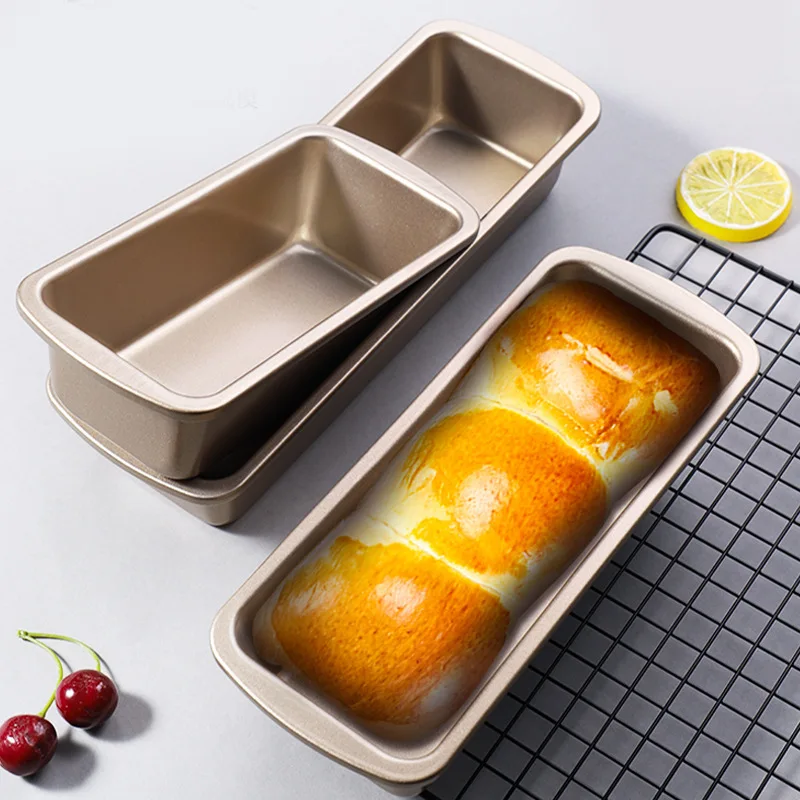
Rectangular Bread Cake Mold Carbon Steel Non-Stick Baking Pans Bread Cheese Oven Tray Square Loaf Toast Mould Kitchen Bakeware
For a reliable option, consider the Rectangular Bread Cake Mold Carbon Steel Non-Stick Baking Pan, which offers even heat and a durable non-stick surface for your everyday baking.
Frequently asked questions
Is carbon steel bakeware better than non-stick?
Carbon steel offers a natural non-stick surface without synthetic coatings, and it’s more durable. However, it requires seasoning and proper care to maintain its non-stick properties.
Can carbon steel bakeware go in the dishwasher?
No, dishwasher detergents and high heat can strip the seasoning and cause rust. Always hand wash and dry immediately.
What is the best oil to season carbon steel bakeware?
Oils with high smoke points, such as flaxseed, grapeseed, or vegetable oil, work best. Avoid butter or olive oil as they can become sticky.
Does carbon steel bakeware rust?
Yes, if left wet or unseasoned. Regular seasoning and thorough drying after each use prevent rust.