
Blog
How to Choose the Perfect Ceramic Dinner Plates for Your Table
Buying Guide
Your Guide to Ceramic Dinner Plates
Choosing the right ceramic dinner plates can transform your dining experience. Whether you’re setting a casual weekday table or hosting a festive dinner, the plates you select set the stage for every meal.
Why Ceramic Dinner Plates Are a Timeless Choice
Ceramic dinner plates have been a staple in kitchens for centuries, and for good reason. Their natural materials, often fired at high temperatures, create a durable surface that resists chipping and scratching. Unlike plastic or melamine, ceramic doesn’t leach chemicals into food, making it a safe choice for everyday use. Plus, the range of glazes and designs means you can find plates that match any decor, from rustic farmhouse to modern minimalist.
Key Factors to Consider When Buying Ceramic Dinner Plates
Material and Construction
Not all ceramic is created equal. Stoneware and porcelain are the most common types. Stoneware is thicker and more durable, ideal for daily use, while porcelain is lighter and more refined, perfect for special occasions. Look for plates that are fully vitrified—meaning they’ve been fired to a glass-like state—as these are less porous and more resistant to stains and cracks.
Size and Shape
Standard dinner plates range from 10 to 12 inches in diameter. Consider your typical meal: a 10.5-inch plate works well for most dinners, while larger plates suit generous portions or sharing platters. Shapes matter too—round plates are classic, but square or oval options add visual interest. Think about how they’ll fit in your cabinets and dishwasher.
Caring for Your Ceramic Dinner Plates
To keep your ceramic dinner plates looking their best, avoid sudden temperature changes—don’t put a hot plate directly into cold water. Most ceramic plates are dishwasher safe, but hand washing with mild detergent can extend their life. Stack them with felt pads or paper towels between each plate to prevent scratches. Avoid using metal utensils on gold or metallic trims, as they can scratch the finish.
Design Trends in Ceramic Dinner Plates
Current trends include hand-painted patterns, reactive glazes that create unique color variations, and minimalist white plates that let food shine. Textured surfaces, like ribbed or hammered finishes, add depth and grip. For a touch of luxury, look for plates with gold or platinum accents, but be aware these may require special care.
Budget and Value
You don’t need to spend a fortune to get quality ceramic dinner plates. Mid-range options often offer the best balance of durability and aesthetics. Sets of four to six plates are cost-effective, but mixing and matching individual pieces can create a curated look. Consider how often you entertain and whether you need a full set or just a few extra plates.
Where to Buy and What to Avoid
Reputable home goods stores and online marketplaces offer a wide selection. Avoid plates with visible flaws like pinholes in the glaze or uneven rims. Check return policies, especially when buying online. For more on ceramic materials, learn about ceramic on Wikipedia.
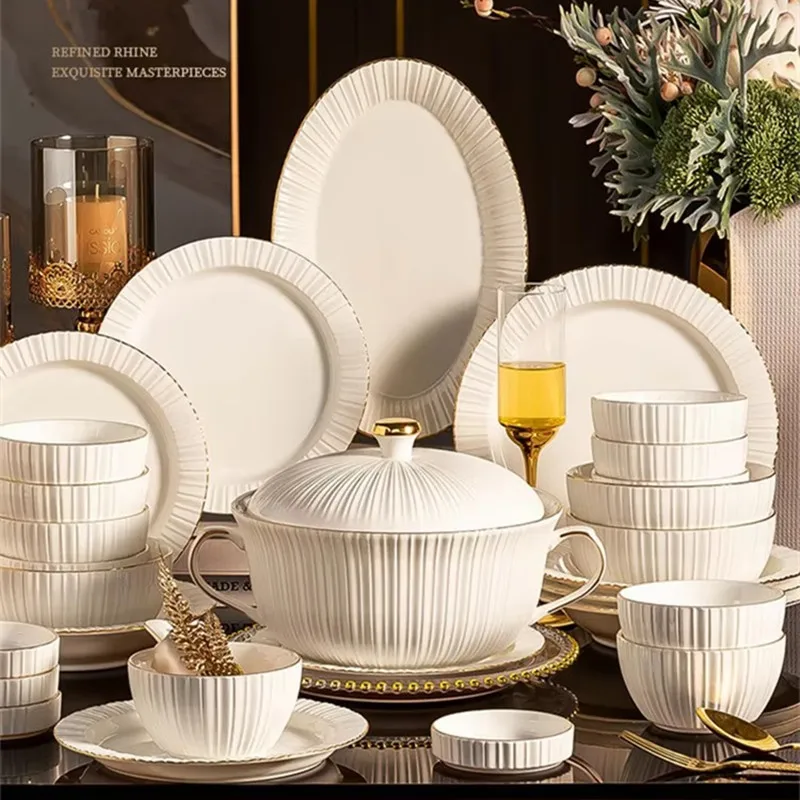
Relief Sculpture Gold Inlay Ceramic Rice Bowl Dishes Beef Steak Plate Fish Plate Premium Ceramic Tableware 1pcs
For a unique touch, consider the Relief Sculpture Gold Inlay Ceramic Rice Bowl Dishes Beef Steak Plate Fish Plate Premium Ceramic Tableware 1pcs, which combines artistry with everyday utility.
Frequently asked questions
Are ceramic dinner plates oven safe?
Most ceramic dinner plates are oven safe up to a certain temperature, usually around 350°F (175°C). Always check the manufacturer’s guidelines, as some glazes or metallic trims may not withstand high heat.
Can I put ceramic plates in the microwave?
Yes, most ceramic dinner plates are microwave safe, but avoid plates with metallic accents like gold or silver rims, as they can cause sparking. Test a small area first if unsure.
How do I remove stubborn stains from ceramic plates?
For tea or coffee stains, make a paste of baking soda and water, apply it to the stain, and let it sit for 15 minutes before scrubbing gently. For tomato-based stains, a diluted bleach soak can help, but rinse thoroughly.
What’s the difference between stoneware and porcelain?
Stoneware is thicker, heavier, and more durable, with a rustic look. Porcelain is finer, lighter, and more translucent, often with a delicate appearance. Both are types of ceramic, but porcelain is fired at higher temperatures.
