
Blog
Choosing the Best Wooden Cooking Utensils Set for Your Kitchen
Kitchen Essentials
Your Guide to a Wooden Cooking Utensils Set
A wooden cooking utensils set brings warmth and functionality to any kitchen. Whether you’re stirring a hearty stew or flipping pancakes, these tools are gentle on cookware and a joy to use.
Why Choose Wooden Utensils?
Wooden utensils have been a staple in kitchens for centuries, and for good reason. They are naturally non-stick, meaning they won’t scratch your precious non-stick pans or cast iron skillets. Unlike metal, wood doesn’t conduct heat, so the handles stay cool to the touch. Plus, wood is gentle on surfaces, reducing wear and tear on your cookware. Environmentally conscious cooks appreciate that wood is renewable and biodegradable, making it a sustainable choice. When you invest in a quality set, you’re choosing tools that are both practical and planet-friendly.
Key Features to Look For
Not all wooden utensils are created equal. Here’s what to consider when shopping:
- Wood Type: Hardwoods like beech, maple, teak, or olive wood are dense and durable. Avoid softwoods like pine, which can crack or splinter.
- Construction: One-piece designs (no glued joints) are stronger and last longer. Check for smooth, rounded edges to prevent splinters.
- Finish: Look for food-safe finishes like mineral oil or beeswax. Avoid varnishes or paints that may chip.
- Size and Shape: Consider the utensils you use most: spatulas, spoons, ladles, and turners. Make sure they feel comfortable in your hand and fit your cookware.
- Set Composition: A good set includes essential pieces without duplicates. Common inclusions are a slotted spoon, solid spoon, spatula, ladle, and turner.
Common Wood Types and Their Benefits
Different woods offer unique characteristics. Beech is hard and resistant to moisture, making it a popular choice. Maple is dense and non-porous, resisting stains and odors. Teak is naturally oily, providing water resistance, while olive wood is beautiful and durable, with unique grain patterns. Bamboo is technically a grass but often grouped with wood; it’s hard, lightweight, and sustainable. Each wood type has its own charm, but all should be properly cared for to maintain their beauty and longevity.
Caring for Your Wooden Utensils
Proper care extends the life of your wooden tools. Always hand wash them with mild soap and warm water—never put them in the dishwasher, as high heat and moisture can cause warping and cracking. Dry them immediately with a towel and let them air dry completely before storing. Periodically, condition the wood with food-grade mineral oil or a beeswax blend to prevent drying and cracking. Avoid soaking them for long periods and keep them away from direct heat sources. With a little attention, your wooden utensils can last for years.
What to Avoid When Buying
Steer clear of utensils made from glued pieces, as the glue can weaken over time. Avoid utensils with painted or lacquered surfaces, which may peel. Also, be wary of sets that include unnecessary gadgets—focus on quality over quantity. If the price seems too good to be true, the wood may be low-quality or poorly finished. Remember, a good set is an investment in your cooking experience.
How Many Pieces Do You Really Need?
A typical set of 5 to 7 pieces covers most cooking tasks. Essentials include a slotted spoon for draining, a solid spoon for stirring, a spatula for flipping, a ladle for soups, and a turner for pancakes or fish. Some sets add a pasta server, a rice paddle, or a mixing spoon. Think about your cooking style. If you frequently stir-fry, a spatula with a flat edge is handy. If you bake, a dough scraper might be useful. Choose a set that aligns with your daily needs to avoid clutter.
Our Recommendation
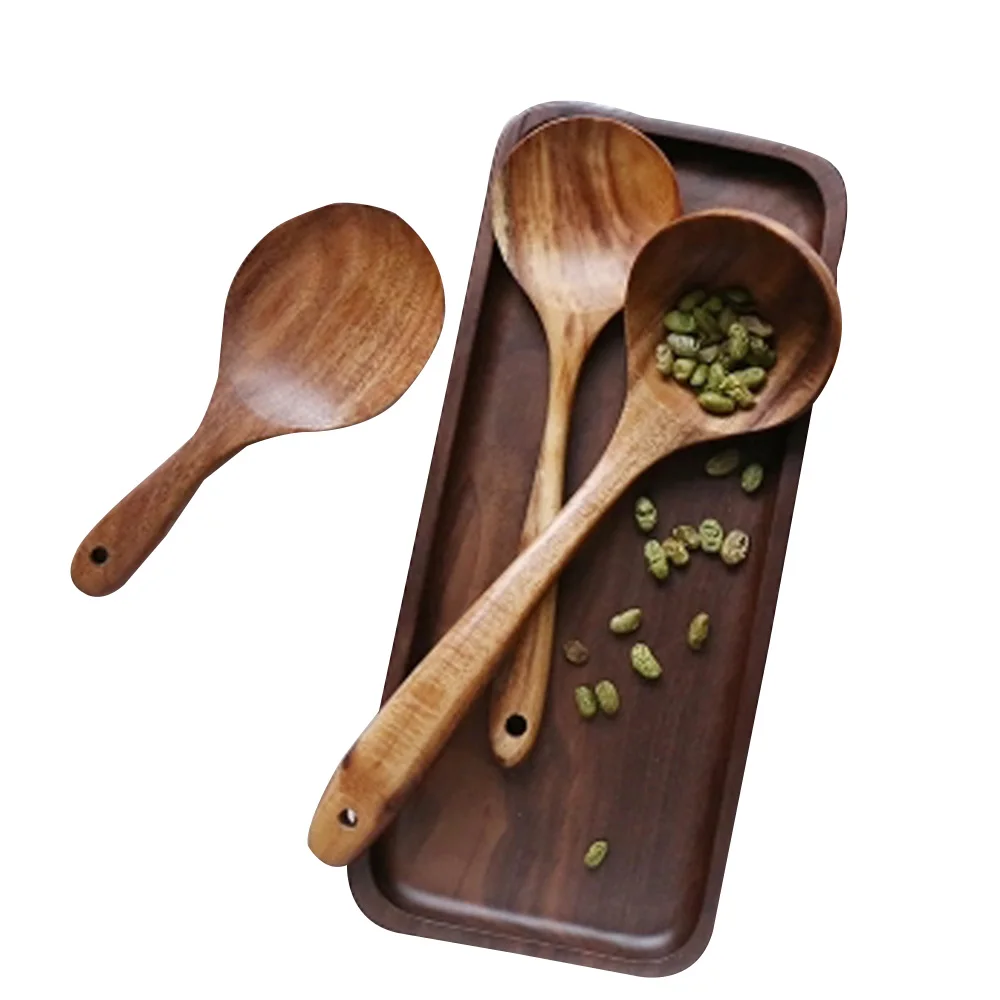
If you’re looking for a reliable starter set, consider the Cooking Tool Sets, Wooden Kitchen Spoons Toolset Wooden Cooking Utensils Spatula, Soup Ladle, Rice Scoop. It includes the essentials, made from quality hardwood with a smooth finish. It’s a practical choice that balances durability and affordability.
Final Thoughts
Wooden cooking utensils are more than just tools—they’re a connection to traditional craftsmanship and mindful cooking. By choosing a well-made set and caring for it properly, you’ll enjoy years of reliable service. Happy cooking!
Cooking Tool Sets, Wooden Kitchen Spoons Toolset Wooden Cooking Utensils Spatula, Soup Ladle, Rice Scoop
For a reliable start, the Cooking Tool Sets, Wooden Kitchen Spoons Toolset Wooden Cooking Utensils Spatula, Soup Ladle, Rice Scoop offers essential pieces crafted from quality hardwood with a smooth finish.
Frequently asked questions
Are wooden utensils safe for non-stick pans?
Yes, wooden utensils are safe for non-stick pans because they are softer than the coating and won’t scratch or damage the surface.
How often should I oil my wooden utensils?
It depends on usage, but generally once a month or when the wood looks dry. Apply food-grade mineral oil and let it absorb overnight.
Can wooden utensils go in the dishwasher?
No, dishwashers can cause wood to warp, crack, or lose its finish. Always hand wash and dry immediately.
What is the best wood for cooking utensils?
Hardwoods like beech, maple, teak, and olive wood are excellent choices due to their density, durability, and resistance to moisture.
