
Blog
The Ultimate Computer Desk Buying Guide for Home Offices
Buying Guide
Find Your Perfect Computer Desk Today
Choosing the right computer desk is crucial for productivity and comfort in your home office. This guide will walk you through everything you need to consider.
Why the Right Computer Desk Matters
Your computer desk is where you spend hours working, studying, or creating. A well-chosen desk can boost your productivity, support your posture, and even enhance the look of your room. On the other hand, a poor choice can lead to discomfort, clutter, and wasted space. This guide will help you navigate the many options available, ensuring you make an informed decision that fits your needs and style.
Assessing Your Space and Needs
Before diving into styles and materials, take a moment to evaluate your workspace. Measure the area where you plan to place the desk. Consider the room’s layout, natural light, and the flow of movement. Think about what you’ll use the desk for: is it for a desktop computer, a laptop, or maybe writing and crafting? Your activities determine the size and features you’ll need.
Key Questions to Ask Yourself
- How much surface area do I need for my equipment and tasks?
- Do I require additional storage like drawers or shelves?
- Will I need to accommodate multiple monitors or a printer?
- Is there enough clearance for my chair and legs?
- What’s my budget for this investment?
Answering these will narrow down your choices significantly.
Desk Materials: Pros and Cons
The material of your computer desk affects its durability, appearance, and price. Here’s a breakdown of common options:
- Solid Wood: Classic and sturdy, but can be heavy and expensive.
- MDF or Particle Board: Affordable and versatile, but less durable and susceptible to moisture.
- Metal: Modern and industrial, often with a sleek look, but can be cold and noisy.
- Glass: Elegant and easy to clean, but prone to fingerprints and may require extra support.
Each has its trade-offs, so consider what matters most to you: longevity, aesthetics, or budget.
Ergonomics: Your Body Will Thank You
An ergonomic computer desk can prevent strain and injury. The key is to ensure that when you sit, your elbows are at a 90-degree angle, and your eyes are level with the top of your monitor. Adjustable height desks are excellent for this, allowing you to alternate between sitting and standing. If you’re on a fixed budget, look for a desk with the right height for your chair and body. Remember, comfort is not a luxury—it’s a necessity for long-term health.
Popular Desk Styles and Features
Computer desks come in various shapes and configurations. Here are some popular styles:
- Corner Desks: Maximize space by fitting into a corner, ideal for small rooms.
- L-Shaped Desks: Provide ample surface area for multiple tasks, great for a command center.
- Standing Desks: Promote movement and better posture, with adjustable heights.
- Desks with Drawers: Offer integrated storage for a tidy workspace.
- Minimalist Desks: Simple and clean, perfect for a modern aesthetic.
Consider which features align with your daily routine. For example, if you’re a writer, a simple desk with a comfortable chair might suffice. If you’re a gamer, you might need space for a large monitor and accessories.
Budgeting for Your Desk
Setting a budget helps you filter options quickly. Desks range from budget-friendly to high-end, with prices varying based on material, design, and brand. Remember that a desk is a long-term investment; spending a bit more on a sturdy desk can save you from frequent replacements. However, you can find quality desks at every price point. Look for sales, consider second-hand options, and don’t forget to factor in assembly costs if you’re not handy.
Where to Place Your Desk
Placement affects both comfort and productivity. Ideally, position your desk near a window for natural light, but avoid glare on your screen. If possible, face the room rather than a wall to create a more open feel. Ensure there’s enough space for you to move your chair and that power outlets are easily accessible. A well-placed desk can transform your workspace.
Final Thoughts: Making the Right Choice
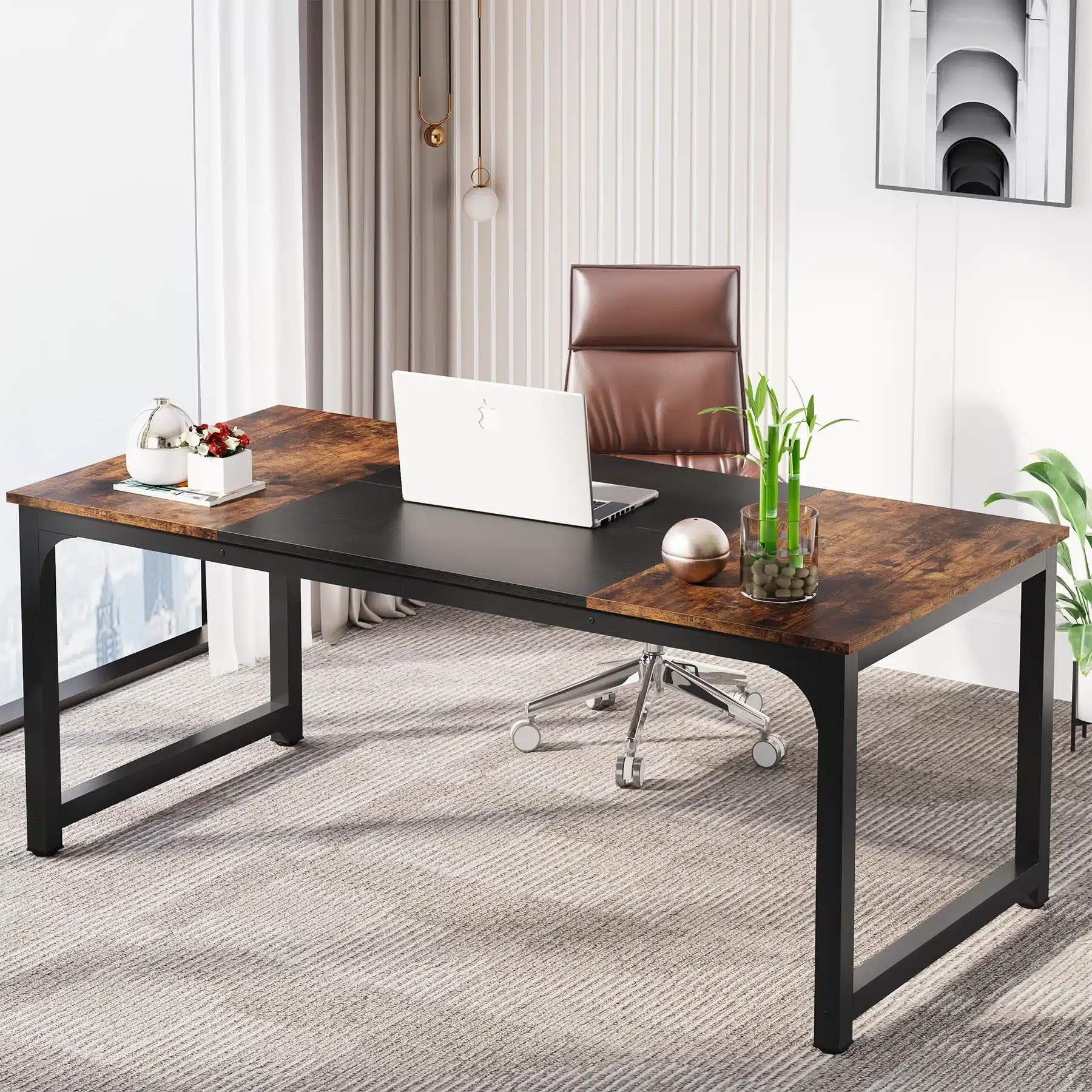
Choosing a computer desk is a personal decision. Take your time, weigh the factors, and imagine how the desk will fit into your life. A good desk should support your work, match your style, and last for years. For a reliable and stylish option, consider the Tribesigns Modern Computer Desk, which offers a spacious surface and sturdy construction. Ultimately, the best desk is one that makes you excited to sit down and work.
For more in-depth information on ergonomics and workspace design, refer to the Wikipedia page on ergonomics.
Tribesigns Modern Computer Desk Large Office Desk Computer Table Study Writing Desk Workstation for Home Office
For a blend of style and functionality, the Tribesigns Modern Computer Desk offers a spacious, sturdy surface that fits seamlessly into any home office.
Frequently asked questions
What size computer desk should I choose?
The right size depends on your available space and what you’ll place on it. Measure your room and consider your equipment. A standard desk is about 60 inches wide, but corner or L-shaped desks can fit tighter spaces. Ensure there’s enough surface for your monitor, keyboard, and other essentials.
Is a standing desk worth it?
Standing desks offer health benefits like reduced back pain and improved posture. They allow you to alternate between sitting and standing, which can boost energy and focus. If you have the budget, an adjustable standing desk is a great investment. However, if you’re on a tight budget, a fixed-height desk with proper ergonomics can still be comfortable.
How do I maintain a wooden computer desk?
To keep a wooden desk looking great, clean it regularly with a soft, dry cloth. Avoid harsh chemicals that can strip the finish. Use coasters for drinks and placemats for hot items. Periodically, you may need to apply furniture polish or wax to maintain the wood’s luster. Protect it from direct sunlight to prevent fading.
Can I use a regular desk as a computer desk?
Absolutely. A regular desk can serve as a computer desk if it’s the right height and has enough space for your equipment. However, consider cable management and ergonomics. Some desks lack features like keyboard trays or grommet holes, but you can use accessories to adapt. The key is ensuring comfort and functionality.
