
Blog
Corner Desk Buying Guide: Maximize Your Space
Buying Guide
The Ultimate Corner Desk Buying Guide
A corner desk can transform an unused nook into a productive workspace, and this buying guide will help you find the perfect one for your needs.
Why Choose a Corner Desk?
If you’re working with limited square footage, a corner desk is a game-changer. It tucks neatly into an often-overlooked area, freeing up valuable floor space for other furniture or simply making your room feel more open. Unlike a traditional desk that juts into the room, a corner desk works with your layout, not against it.
Beyond space efficiency, corner desks offer a larger work surface than you might expect. The L-shaped design provides ample room for multiple monitors, paperwork, and office supplies, all within arm’s reach. This can boost productivity by keeping everything organized and accessible.
Measure Your Space First
Before you start shopping, grab a tape measure and assess your corner. You’ll need three key dimensions: the width of the wall space on each side, the depth of the desk you want, and the height of the ceiling (if you’re considering a hutch or shelving). A common mistake is underestimating how much room a corner desk actually occupies, so use painter’s tape to outline the footprint on your floor.
Here’s a quick checklist to guide your measurements:
- Measure the length of both walls from the corner.
- Decide on a desk depth that leaves at least 24 inches of walking space.
- Check for baseboards, outlets, and windows that might affect placement.
- Consider the height of your chair and the desk’s adjustability.
Materials and Build Quality
The material of your corner desk affects both durability and aesthetics. Solid wood desks are timeless and sturdy, but they can be heavy and pricey. Engineered woods like MDF (medium-density fiberboard) offer a budget-friendly alternative that is still robust if properly constructed. The YQ FOREVER Corner Study MDF Desk is a prime example of a well-made MDF desk that balances cost and reliability.
When evaluating build quality, look for:
- Thick desktop (at least 15mm) to prevent sagging.
- Reinforced joints and sturdy legs.
- Smooth, scratch-resistant surfaces.
- Easy assembly with clear instructions.
Ergonomics: Comfort Meets Productivity
Your desk should work with your body, not against it. An ergonomic corner desk allows you to maintain a neutral posture, reducing strain on your neck, back, and wrists. The ideal setup has your monitor at eye level, your elbows at a 90-degree angle, and your feet flat on the floor.
Some corner desks come with adjustable height features, but if you’re on a budget, you can add a monitor stand or an adjustable chair to achieve the same effect. Remember, the desk is just one part of an ergonomic workspace—invest in a good chair and take regular breaks to stretch.
Storage and Organization
Think about what you’ll be storing. If you have a lot of files, books, or equipment, look for a corner desk with built-in shelves, drawers, or a hutch. These features keep your workspace tidy without taking up extra floor space. For a minimalist look, a simple desk with a few drawers might be all you need.
Consider cable management too. A desk with grommet holes or a cable tray can help you hide unsightly wires, keeping your setup clean and safe. Clutter can be distracting, so choose a desk that helps you stay organized.
Style and Aesthetics
Your corner desk should complement your existing decor. Whether your style is modern, rustic, or industrial, there’s a corner desk to match. Wood finishes add warmth, while metal frames give an industrial edge. White or black desks are versatile and can fit into any color scheme.
Don’t forget about the visual weight of the desk. A bulky desk can overwhelm a small room, so opt for a design with open legs or a slim profile if space is tight. On the other hand, a substantial desk can anchor a larger room and provide a sense of stability.
Budget and Value
Corner desks come in a wide price range, from budget-friendly to high-end. Set a budget before you start browsing, but be open to spending a little more for better materials and construction. Remember, a desk is a long-term investment in your comfort and productivity.
To get the best value, compare prices across different retailers and look for sales or bundled deals. Sometimes, paying a bit more upfront for a durable desk saves you money in the long run, as you won’t need to replace it as often.
Final Thoughts: Making the Right Choice
Choosing the right corner desk is a personal decision that depends on your space, needs, and style. Take your time, do your research, and prioritize what matters most to you: size, storage, ergonomics, or aesthetics. A well-chosen corner desk can be the centerpiece of a productive and enjoyable home office.
For more inspiration on workspace design, check out this article on home offices from Wikipedia.
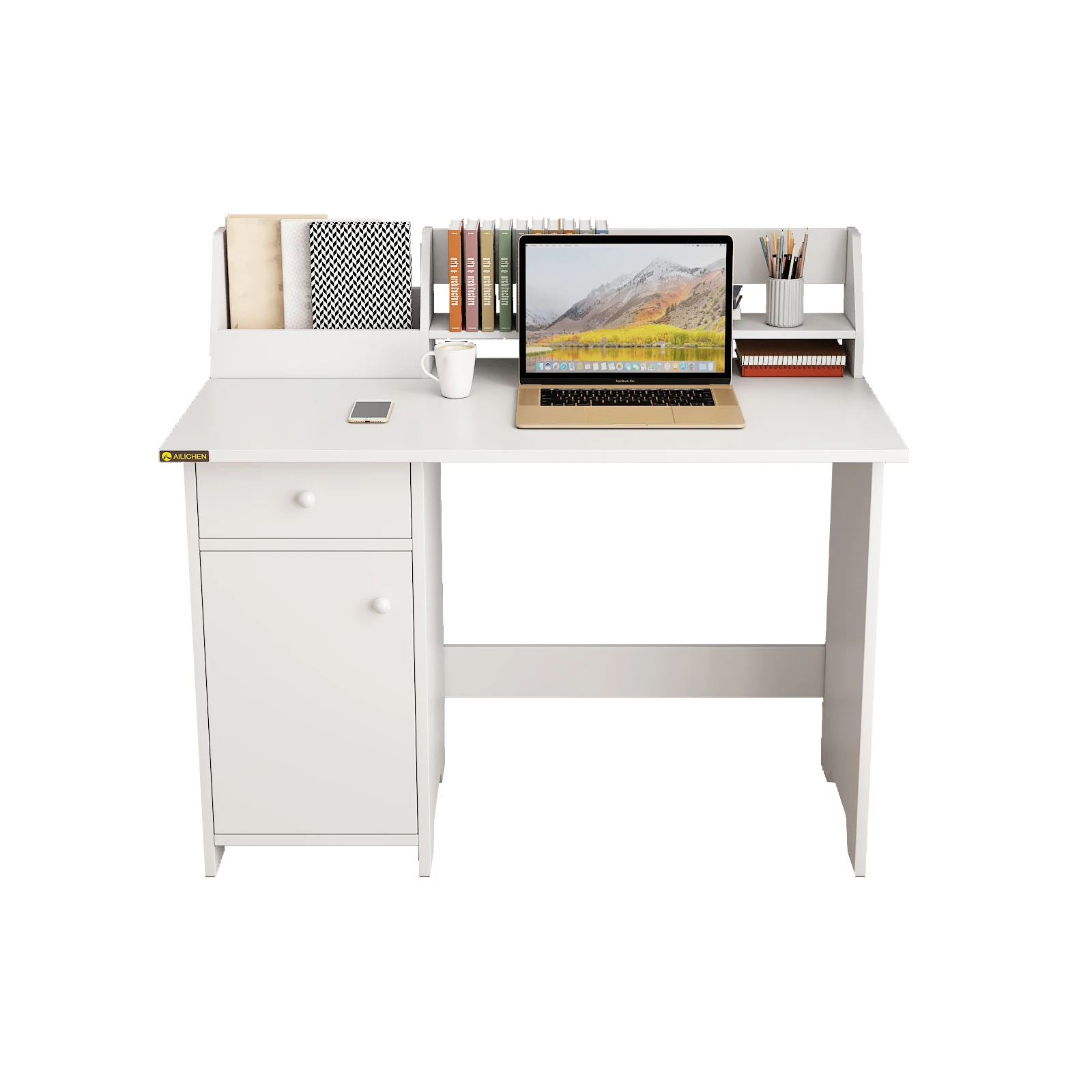
YQ FOREVER Corner Study MDF Desk Home Office Table Desk Officeworks Dual Computer Desk
For a reliable and stylish option, consider the YQ FOREVER Corner Study MDF Desk, which offers a sleek design and sturdy construction at an accessible price point.
Frequently asked questions
What is the ideal size for a corner desk?
The ideal size depends on your room and needs. A typical corner desk has a depth of 24 to 30 inches and a width of 48 to 72 inches on each side. Measure your space and consider how much surface area you need for your work.
Are corner desks good for small spaces?
Yes, corner desks are excellent for small spaces because they utilize often-unused corner areas, freeing up floor space. They can fit into tight spots while still offering a generous work surface.
How do I prevent cable clutter on a corner desk?
Look for a desk with cable management features like grommet holes, cable trays, or built-in wire channels. Alternatively, you can use adhesive cable clips or a cable sleeve to keep wires organized and out of sight.
What is the difference between MDF and solid wood corner desks?
MDF (medium-density fiberboard) is an engineered wood product that is more affordable and resistant to warping, but it can be heavier and less moisture-resistant. Solid wood is durable and attractive but more expensive and may require more maintenance. Both are viable options depending on your budget and preferences.
