
Blog
Damascus Steel Chef Knife: A Buyer’s Guide
Knife Guide
Your Guide to the Perfect Damascus Steel Chef Knife
A damascus steel chef knife isn’t just a tool—it’s a partner in your culinary journey. Whether you’re a seasoned cook or just starting to build your kitchen arsenal, understanding what makes these knives special will help you choose the right one.
What Is Damascus Steel?
Damascus steel is made by forge-welding multiple layers of high-carbon and low-carbon steel together. This creates a blade that is both hard and flexible, with a distinctive wavy pattern. The process dates back centuries, but modern techniques produce knives that are durable, sharp, and beautiful.
Why Choose a Damascus Chef Knife?
A chef knife is the workhorse of the kitchen. With a damascus blade, you get exceptional edge retention and corrosion resistance. The layered steel also adds a visual appeal that makes each knife unique. Plus, the hardness allows for finer, sharper edges that stay sharp longer.
Key Features to Look For
Steel Core
Look for a high-carbon stainless steel core (like VG-10 or AUS-10) for strength and stain resistance. The outer damascus layers provide beauty and protection.
Layer Count
More layers don’t always mean better performance. Typically, 67 layers offer a good balance of pattern and durability. Higher counts can be more fragile.
Handle Material
Burlwood handles are stable, moisture-resistant, and comfortable. They also add warmth and elegance. Other options include pakkawood or micarta.
Blade Shape and Size
Chef knives usually range from 6 to 10 inches. A 7-inch blade is versatile for most tasks. The shape should have a gentle curve for rocking cuts. Santoku-style blades have a flatter edge and a sheepsfoot tip, great for slicing and dicing.
Caring for Your Damascus Knife
Hand wash only, dry immediately, and store in a block or on a magnetic strip. Avoid cutting on glass or stone. Regular honing and occasional sharpening will keep the edge pristine.
How to Test Quality
Check the balance: the knife should feel comfortable in your hand. Look at the pattern—it should be uniform and not too shallow. A good damascus knife will have a hardness of around 60-62 HRC.
Final Thoughts on Choosing
Invest in a knife that feels like an extension of your hand. The right damascus steel chef knife will inspire you to cook more and enjoy the process. Take your time, handle different options, and choose one that sparks joy.
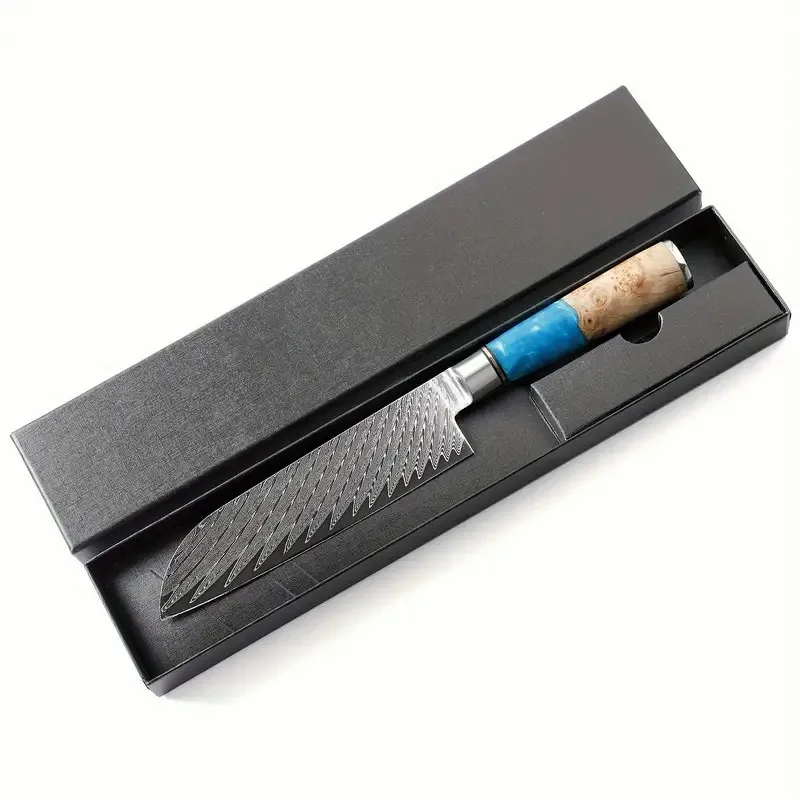
IOKO Japanese Style Chef Knife 67 Layers Damascus Steel 7 Inch Burlwood Kitchen Sushi Santoku Sashimi Santoku Chef Knife
For a reliable option, consider the IOKO Japanese Style Chef Knife with 67-layer damascus steel and a burlwood handle—it balances tradition and modern craftsmanship beautifully.
Frequently asked questions
Is a damascus steel chef knife worth the price?
Yes, for the combination of performance, durability, and beauty. The layered steel offers superior sharpness and edge retention compared to standard stainless knives. It’s an investment that can last a lifetime with proper care.
How do I maintain the pattern on my damascus knife?
The pattern is etched into the steel during manufacturing and won’t wear off with normal use. However, avoid abrasive cleaners and never put it in the dishwasher. Hand washing and drying will keep it looking its best.
Can a damascus knife be used for chopping bones?
No, damascus chef knives are not designed for heavy chopping. They excel at slicing, dicing, and precision cuts. Use a cleaver or a dedicated bone knife for tough tasks to avoid chipping the edge.
What’s the difference between damascus and pattern-welded steel?
They are often used interchangeably, but technically damascus refers to the original steel from the Middle East. Modern ‘damascus’ knives are pattern-welded, meaning multiple layers are forge-welded and acid-etched to reveal the pattern. The result is similar in appearance and performance.
