
Blog
The Complete Guide to Choosing a Floating Bathroom Vanity
Vanity Guide
Your Ultimate Floating Bathroom Vanity Guide
A floating bathroom vanity can transform your space with a clean, modern look. This guide covers everything you need to know before buying one.
Why Choose a Floating Bathroom Vanity?
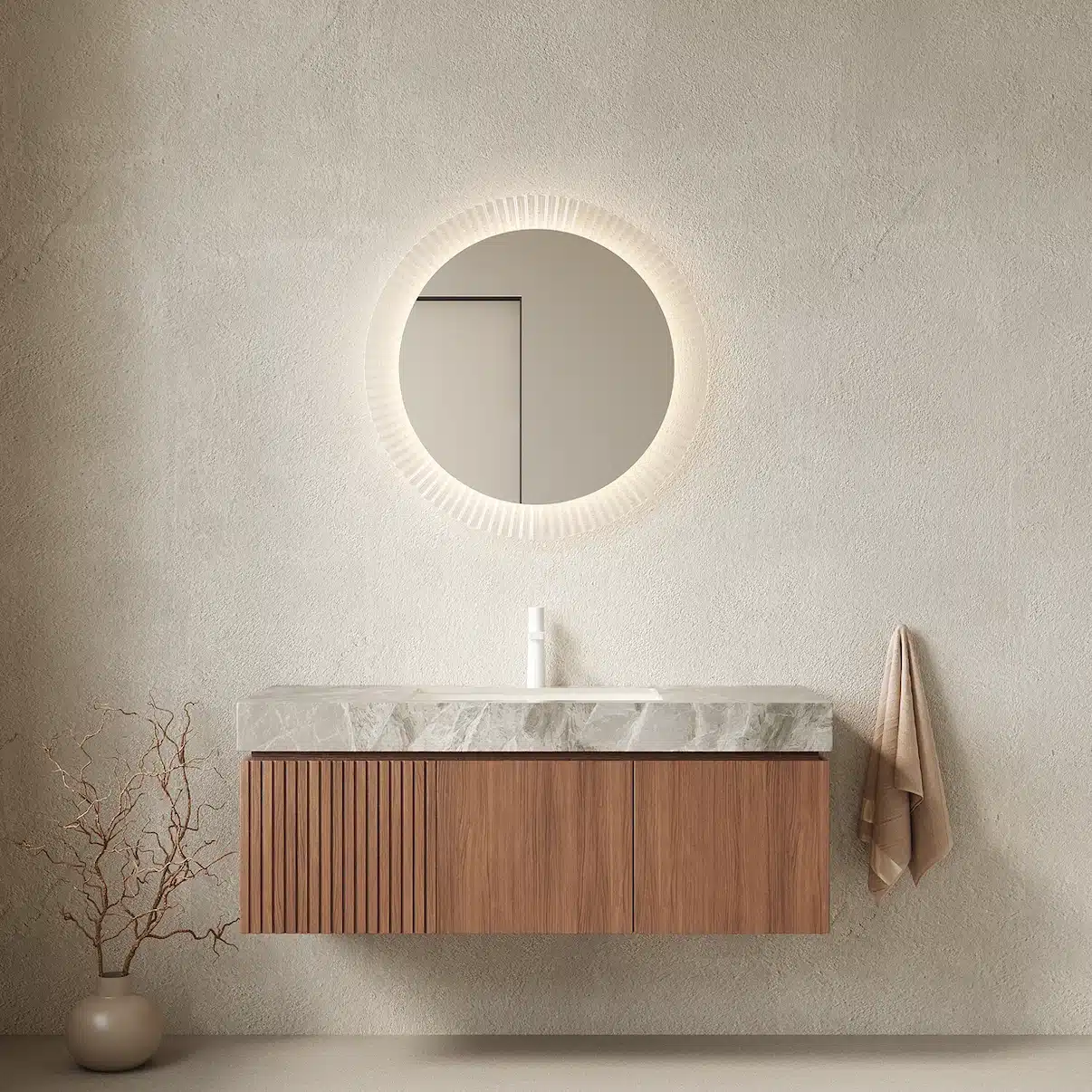
A floating bathroom vanity mounts directly to the wall, leaving the floor open. This design creates an illusion of more space, making it ideal for small bathrooms. It also simplifies cleaning since there are no legs or bases to work around. The open floor area can make your bathroom feel larger and more airy.
Key Considerations Before Buying
Before selecting a floating bathroom vanity, measure your wall space and check for studs. Wall-mounted vanities require sturdy support. Consider the depth: standard is 18-21 inches. Also think about storage needs—drawers, shelves, or cabinets. A 48-inch width is common for double sinks.
Materials: What to Look For
Plywood is a durable and moisture-resistant choice for the cabinet body. Solid wood offers longevity but may warp in humidity. For the top, sintered stone is non-porous and heat-resistant, while ceramic basins are easy to clean. Avoid particleboard in damp areas.
Installation Tips for a Floating Vanity
Installation requires a level wall and secure mounting to studs. Use a French cleat or heavy-duty brackets. Ensure plumbing aligns with the vanity’s cutouts. If not confident, hire a professional. Always check local codes for venting and drain requirements.
Style and Design Ideas
Floating vanities work with modern, minimalist, or transitional styles. Pair with a large mirror to enhance the open feel. For a spa-like look, choose light gray or wood tones. Add under-vanity lighting for a floating effect. Learn more about bathroom design history.
Maintenance and Care
Wipe surfaces with a damp cloth; avoid harsh chemicals. Seal wood periodically if not pre-finished. Check for leaks under the sink. The open floor makes it easy to clean spills and dust. With proper care, a floating bathroom vanity lasts for years.
Common Mistakes to Avoid
Don’t skip measuring the rough-in plumbing. Avoid mounting on drywall alone—use anchors or plywood backing. Also, ensure the vanity is level to prevent water pooling.
48″ Bathroom Vanity&Sink, Floating Plywood Storage Cabinet with Drawer&Doors, Light Gray Sintered Stone Top&Ceramic Basin
For a reliable option, consider the 48″ Bathroom Vanity & Sink, Floating Plywood Storage Cabinet with Drawer & Doors, Light Gray Sintered Stone Top & Ceramic Basin.
Frequently asked questions
Can a floating vanity hold a heavy sink?
Yes, if properly mounted to wall studs. Most can support up to 200 lbs. Check the manufacturer’s weight limit.
Is a floating vanity good for small bathrooms?
Absolutely. The open floor makes the room appear larger and easier to clean.
What is the standard height for a floating vanity?
Typical height is 30-36 inches from the floor to the top of the sink, similar to standard vanities.
How do I hide plumbing with a floating vanity?
Use a decorative skirt, cabinet doors, or a false drawer front. Some designs include a built-in panel.