
Blog
How to Choose a Lightweight Outdoor Side Table
Buying Guide
Find the Perfect Lightweight Outdoor Side Table
A lightweight outdoor side table can transform your patio into a flexible, inviting space. Here’s how to pick one that balances portability, durability, and style.
Why a Lightweight Outdoor Side Table Matters
When furnishing a patio or balcony, every piece counts. A lightweight outdoor side table is not just a convenience—it’s a game-changer. You can easily move it from the seating area to the grill, or tuck it away when not in use. This flexibility means your outdoor space works harder for you, whether you’re hosting a party or enjoying a quiet morning coffee. Unlike heavy concrete or iron tables, a lightweight option reduces strain and expands your layout possibilities without sacrificing aesthetics.
But portability isn’t the only factor. The best models also resist wind, rain, and UV rays. Materials like aluminum, resin, or lightweight concrete strike a smart balance. For example, concrete can be surprisingly light when engineered with aggregates and hollow cores, offering a modern look without the weight. Always check the weight rating and warranty to ensure long-term value.
Key Materials and Their Trade-offs
The material defines the table’s weight, durability, and maintenance needs. Here’s a quick breakdown:
- Aluminum: Extremely lightweight, rust-proof, and easy to clean. Powder-coated finishes resist fading. Ideal for coastal areas, but can feel less premium.
- Resin / Plastic: Affordable, UV-resistant, and virtually maintenance-free. However, some designs look cheap and may warp under extreme heat.
- Lightweight Concrete: Offers a high-end, textured appearance with substantial heft but still manageable. Resists wind better than aluminum. Requires sealing to prevent stains.
- Teak or Eucalyptus: Natural wood is heavier, but some engineered woods are lighter. Requires oiling to maintain color and prevent cracking.
Your climate and usage pattern should guide the choice. For instance, in windy areas, a slightly heavier table (like lightweight concrete) prevents tipping, while in small balconies, ultra-light aluminum is king.
Size and Shape: Fit Your Space
Before buying a lightweight outdoor side table, measure your seating area. A square or round table (18–24 inches diameter) works well beside a single chair, while a rectangular or oval shape fits between two seats. Consider height: standard side tables are 20–24 inches tall, matching most patio chairs. For loungers, a lower table (16–18 inches) is better.
If space is tight, nesting tables or stackable designs offer seasonal flexibility. Some models feature built-in handles or cutouts for easy carrying—a smart detail for a truly lightweight outdoor side table. Always visualize traffic flow: leave at least 18 inches of clearance around the table for comfortable movement.
Folding vs. Fixed
Folding tables are the ultimate space-savers. They collapse flat for storage under a bed or in a closet. Fixed tables, however, often feel sturdier and more permanent. For frequent rearranging, folding wins; for a stable surface for drinks and plates, fixed is better.
Weather Resistance and Maintenance
Outdoor furniture endures sun, rain, and temperature swings. Look for these features:
- UV protection: Prevents fading and cracking. Aluminum and resin naturally resist UV; concrete and wood need coatings.
- Water resistance: Drainage holes or slatted tops prevent pooling. Avoid porous materials unless sealed annually.
- Rust-proof hardware: Stainless steel or aluminum screws and brackets ensure longevity.
Maintenance varies: wipe aluminum with soap and water, reseal concrete every two years, and oil wood twice a season. A low-maintenance lightweight outdoor side table lets you spend time enjoying, not scrubbing.
Style and Aesthetics
Your side table should complement your outdoor decor. Modern spaces shine with sleek concrete or powder-coated aluminum in neutral tones like gray, white, or black. Rustic or bohemian patios pair well with natural wood or woven resin. Some tables incorporate planters or storage shelves, adding function without bulk.
Don’t overlook color: lighter shades reflect heat and stay cooler underfoot, while dark colors absorb heat and may fade faster. Textured finishes hide scratches better than glossy ones. For a cohesive look, match the table’s finish to existing furniture or use it as an accent piece.
Assembly and Portability
Most lightweight tables arrive partially assembled. Look for tool-free assembly or clear instructions. Weight matters: a true lightweight outdoor side table should be under 15 pounds for easy one-handed carrying. Check if the table has a carrying handle or if the legs collapse for transport.
If you plan to move it frequently—from patio to lawn to poolside—choose a model with a stable base that won’t wobble on uneven ground. Rubber feet or adjustable levelers add stability on decking or grass.
Budget and Value
Prices for lightweight outdoor side tables range from $30 for basic resin to $300+ for designer concrete. Mid-range ($80–$150) offers the best balance of quality and cost. Invest in a table that fits your usage: occasional use can justify a lower price, while daily use demands better materials and construction. Read reviews for real-world durability feedback.
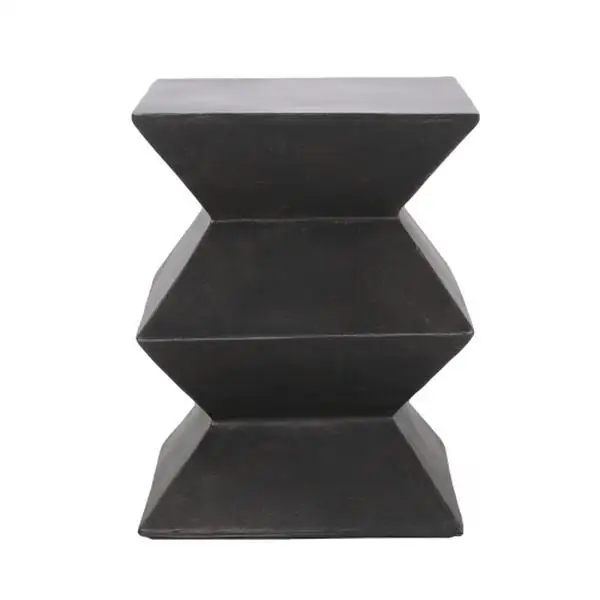
Goldoma Lightweight Concrete Outdoor Side Table – Modern Patio Accent
For a modern, durable option, consider the Goldoma Lightweight Concrete Outdoor Side Table – it blends style with practical portability.
Frequently asked questions
What materials are best for a lightweight outdoor side table?
Aluminum and resin are the lightest, while lightweight concrete offers a premium feel with moderate weight. Choose based on your climate and style preference.
How do I prevent my lightweight table from tipping in wind?
Look for tables with a wider base or slightly heavier materials like lightweight concrete. Some models include ground stakes or sand-fillable legs for extra stability.
Can I leave a lightweight outdoor side table outside year-round?
It depends on the material. Aluminum and resin can stay out, but concrete and wood need protection from freezing temperatures and heavy rain. Use covers in harsh weather.
What size side table is best for two chairs?
A rectangular table 24–30 inches long or a round table 20–24 inches in diameter fits between two standard chairs without crowding.