
Blog
10 Best Side Tables for Living Room: Style & Function
Buying Guide
Find the Perfect Side Tables for Living Room
Choosing the right side tables for living room can transform your space from cluttered to curated. Whether you need a spot for your morning coffee or a stage for a lamp, the perfect side table is both practical and personal.
Why Side Tables for Living Room Matter
Side tables are the unsung heroes of a well-designed living room. They offer surface area for drinks, books, and remotes, while also anchoring seating areas. A thoughtfully chosen side table can tie together your decor, add a pop of material, and even provide hidden storage. According to interior design principles, the right proportions and placement create a harmonious flow. Think of side tables as the supporting cast that makes your sofa and chairs shine.
Size Matters: Choosing the Right Height and Scale
Before you fall in love with a style, measure your space. The ideal side table height should be within two inches of your sofa or chair arm height. For a standard sofa (18–20 inches high), a table around 20–22 inches works well. Also consider the tabletop diameter: 16–20 inches is typical for a single drink and a small lamp. If your living room is compact, opt for slim designs or nesting tables that can be tucked away. Remember, a side table that’s too large overwhelms, while one too small feels insignificant.
Proportions for Different Seating
- Low-seated sofas (16–18 inches): Pair with tables 18–20 inches tall.
- Standard sofas (18–20 inches): Aim for 20–22 inches.
- High-seated chairs (20–22 inches): Choose tables 22–24 inches.
- End of a sectional: A slightly taller table (24–26 inches) can double as a drink stand.
Material World: Wood, Metal, Glass, and More
The material of your side tables for living room sets the tone. Wood brings warmth and works well in traditional or rustic spaces. Metal offers industrial edge, while glass creates an airy, modern feel. Consider durability: a glass top is easy to clean but shows fingerprints; wood can scratch but gains character over time. For high-traffic areas, a metal frame with a tempered glass top is a practical, stylish choice. Don’t forget about finish – a matte black or brass accent can elevate your entire room.
Storage Solutions: Shelves, Drawers, and Multi-Tier Designs
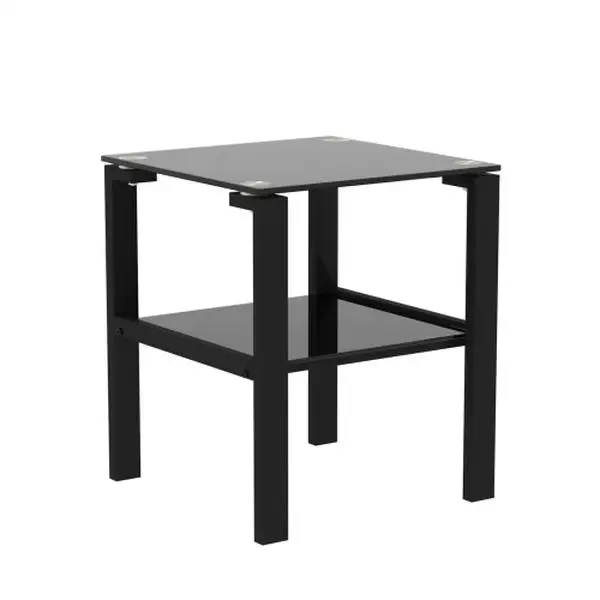
If you’re prone to clutter, side tables with built-in storage are a game-changer. A lower shelf can hold magazines, baskets, or a small plant, while a drawer stashes remotes and coasters. Two-tier tables are especially versatile: the top tier for daily items, the bottom for books or decor. For small living rooms, a slim table with a shelf offers function without bulk. Keep in mind that open shelves require tidiness, while closed storage hides chaos. Choose based on your lifestyle – if you entertain often, a table with a shelf for coasters and napkins is handy.
Style and Aesthetics: Matching Your Decor
Your side tables should complement, not compete with, your existing furniture. If your sofa is neutral, a bold color or unique shape can be a statement. For a cohesive look, match the table’s finish to other metal accents (like lamp bases or coffee table legs). Mixing materials – say, a wood top on a metal base – adds depth. Round tables soften a room full of square edges, while square tables offer a more structured feel. Ultimately, your side tables for living room should reflect your personality. Don’t be afraid to mix and match for an eclectic vibe.
Space-Saving Solutions for Small Living Rooms
Tight on square footage? Look for side tables that do double duty. Nesting tables can be separated when guests arrive, then tucked together. Corner tables fit snugly in unused nooks, providing surface area without footprint. A C-table slides over the sofa, perfect for laptop work or snacks. Wall-mounted shelves can also act as side tables, freeing floor space. Remember, the best small-space solution is one that disappears when not needed – think lightweight, minimal designs.
Top Features to Look For
- Stability: A sturdy base prevents wobbling, especially on carpet.
- Easy assembly: Look for tools-free or simple screw-in designs.
- Weight capacity: Ensure the table can hold your heaviest lamp or stack of books.
- Safety: Tempered glass is safer if broken; rounded edges prevent injuries.
- Versatility: A table that works in living room, bedroom, or as a nightstand is a smart investment.
Final Thoughts: Balancing Form and Function
The best side table is one you don’t think about – it just works. It holds your coffee, anchors your lamp, and looks great doing it. Take your time, measure twice, and choose a piece that brings you joy every time you set down a drink. Whether you prefer classic wood, sleek metal, or transparent glass, there’s a side table out there that fits your life. Happy hunting!
Goldoma Set of 2 Tempered Glass Side Tables – Small Round End Tables with Two-Tier Shelves for Living Room, Bedroom, Corner Space
For a sleek, space-saving option, the Goldoma Set of 2 Tempered Glass Side Tables offers two-tier shelves that keep essentials within reach while adding a modern touch to any room.
Frequently asked questions
What is the standard height for a side table?
The standard height for a side table is between 20 and 22 inches, which works well with most sofas and chairs. However, always measure your seating’s arm height and choose a table within two inches of that measurement.
Can I use a side table as a nightstand?
Absolutely. Many side tables are versatile enough to double as nightstands. Just ensure the height is appropriate for your bed (usually 20–24 inches) and that the tabletop is large enough for a lamp, book, and phone.
How do I clean a tempered glass side table?
Use a soft cloth and a glass cleaner or a mixture of vinegar and water. Avoid abrasive sponges that can scratch the glass. Wipe in a circular motion for a streak-free shine.
Are round or square side tables better for small spaces?
Round side tables are generally better for small spaces because they have no sharp corners, allowing easier traffic flow. They also fit neatly into corners and next to sofas without taking up visual space.