
Blog
Memory Foam Seat Cushion Buying Guide
Buying Guide
The Ultimate Memory Foam Seat Cushion Buying Guide
If you spend long hours sitting, a memory foam seat cushion can be a game-changer for your comfort and posture. This guide will help you navigate the options and find the perfect one for your needs.
Why Choose a Memory Foam Seat Cushion?
Sitting for extended periods can lead to discomfort, poor posture, and even pain. A memory foam seat cushion provides support that adapts to your body, distributing weight evenly and reducing pressure points. Unlike traditional cushions, memory foam responds to heat and pressure, molding to your unique shape for personalized comfort.
Whether you’re at a desk, in a car, or on a couch, the right cushion can make a significant difference in how you feel after a long day. It’s an investment in your well-being that pays off in increased productivity and reduced fatigue.
Key Features to Look For
When shopping for a memory foam seat cushion, consider these essential features to ensure you get the best value:
- Density: High-density foam (4-5 lbs/ft³) offers better support and longevity than low-density options.
- Thickness: A cushion that’s too thin won’t provide adequate support, while one that’s too thick may raise you too high. Aim for 2-3 inches for most chairs.
- Cover Material: Breathable, washable covers (like bamboo or cotton) keep you cool and make cleaning easy.
- Non-slip base: A rubber or silicone base prevents the cushion from sliding.
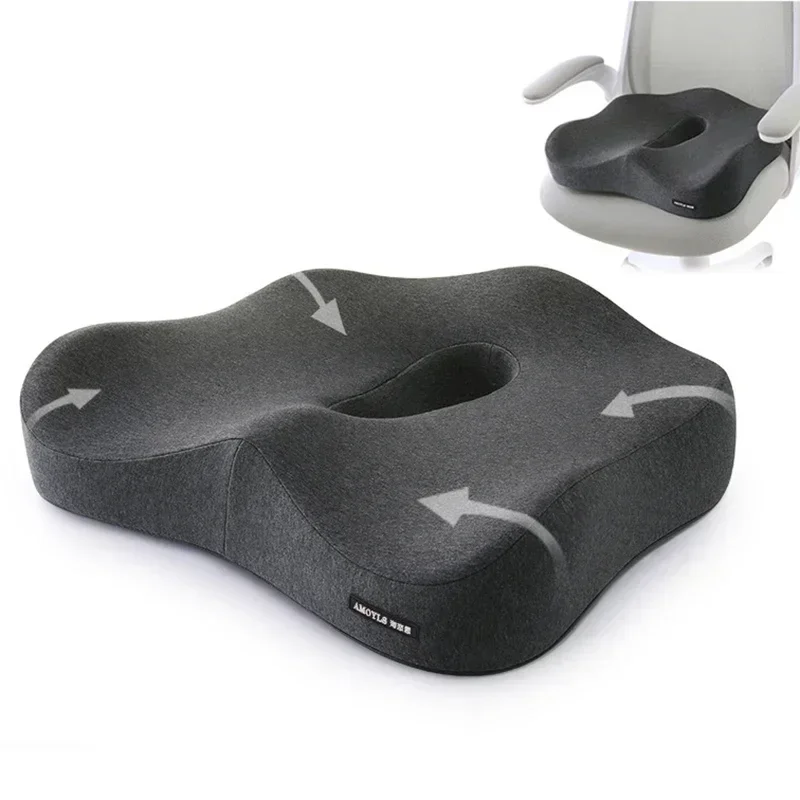
- Contouring: Some cushions feature a coccyx cutout or ergonomic shape to relieve tailbone pressure.
These features directly impact comfort and durability, so take your time to evaluate them.
Memory Foam vs. Gel vs. Foam
Memory foam is not the only option. Gel cushions offer cooling properties, while traditional foam is cheaper but less supportive. Memory foam stands out for its pressure-relieving qualities and ability to retain shape. According to Wikipedia, memory foam was developed by NASA to improve seat cushioning and crash protection. Its viscoelastic nature makes it ideal for prolonged sitting.
For most people, memory foam provides the best balance of comfort and support. If you tend to overheat, look for a gel-infused memory foam or a breathable cover.
How to Choose the Right Size and Thickness
Measure your chair seat to ensure a proper fit. A cushion that’s too small won’t provide full support, while one that’s too large may be unstable. Standard sizes are around 16×16 inches, but you can find larger options for wider seats.
Thickness depends on your weight and the chair’s existing padding. Heavier individuals may need a denser, thicker cushion to prevent bottoming out. If you’re using it on a hard seat, go for at least 3 inches. On a well-padded chair, 2 inches might suffice.
Remember, the goal is to maintain proper posture with your feet flat on the floor and knees at a 90-degree angle. Adjust thickness accordingly.
Comfort and Support: What to Expect
Memory foam cushions are known for their ‘hugging’ feel. They gradually soften with body heat, contouring to your curves. This reduces pressure on the tailbone and thighs, improving blood circulation. Many users report less lower back pain and numbness after switching to memory foam.
However, some people find the initial sink too deep. If you prefer a firmer feel, look for a high-density or ‘supportive’ memory foam. It’s all about personal preference.
Durability and Maintenance
A quality memory foam cushion should last for years if cared for properly. Look for foam that regains its shape quickly after compression. Avoid cheap foams that sag or flatten over time.
Maintenance is straightforward: most covers are removable and machine washable. The foam itself should be spot-cleaned with a damp cloth and air-dried. Avoid exposing it to direct sunlight for prolonged periods, as UV rays can degrade the foam.
Health Benefits and Ergonomics
Using a memory foam seat cushion can alleviate discomfort from conditions like sciatica, hemorrhoids, or postpartum recovery. By promoting better alignment, it reduces strain on the spine and hips. Ergonomically, it encourages you to sit with a neutral pelvis, which helps maintain the natural S-curve of your spine.
If you have chronic pain, consult a healthcare professional, but many find relief with the right cushion. It’s a simple, non-invasive solution.
Final Thoughts on Memory Foam Seat Cushions
Investing in a high-quality memory foam seat cushion is a smart move for anyone who sits often. It enhances comfort, supports health, and can even boost your productivity by keeping you focused and pain-free. Remember to consider density, size, and cover material as you make your choice.
For a reliable option, check out our own Memory Foam Office Chair Cushion Car Seat Support Pads Buttocks Pillow Massage Hips Orthopedic Pillow Coccyx Pain Relief Cushion. It combines all the key features we discussed: high-density foam, ergonomic design, and a washable cover.
Memory Foam Office Chair Cushion Car Seat Support Pads Buttocks Pillow Massage Hips Orthopedic Pillow Coccyx Pain Relief Cushion
Our Memory Foam Office Chair Cushion Car Seat Support Pads Buttocks Pillow Massage Hips Orthopedic Pillow Coccyx Pain Relief Cushion offers the perfect balance of support and comfort, with a non-slip base and washable cover.
Frequently asked questions
How long does a memory foam seat cushion last?
With proper care, a high-quality memory foam cushion can last 3-5 years. Look for high-density foam and a durable cover to extend its lifespan.
Can a memory foam seat cushion help with back pain?
Yes, many users find relief from lower back pain because memory foam supports the natural curve of the spine and reduces pressure points. It’s not a cure, but it can significantly improve comfort.
Is a memory foam seat cushion good for long car rides?
Absolutely. It provides consistent support and reduces fatigue during extended sitting. Just ensure it fits your car seat and doesn’t interfere with seat belts or controls.
How do I clean a memory foam seat cushion?
Remove the cover and wash it according to the manufacturer’s instructions (usually machine wash cold). Spot clean the foam with mild soap and water, then air dry completely before using.
