
Blog
Filing Cabinets Buying Guide: Find Your Perfect Fit
Buying Guide
Choose the Right Filing Cabinets for Your Space
When it comes to organizing your office, filing cabinets are more than just storage—they’re the backbone of your workspace. This guide will help you navigate the options and find the perfect fit.
Why Filing Cabinets Matter
Filing cabinets are essential for keeping documents safe, organized, and within reach. They reduce clutter, improve productivity, and protect important papers from damage. Whether you’re setting up a home office or a corporate workspace, the right cabinet can make a world of difference.
Types of Filing Cabinets
There are two main types: vertical and lateral. Vertical cabinets are tall and narrow, ideal for tight spaces. Lateral cabinets are wider and can hold more files side by side, often doubling as a surface for a printer or decor. Consider your available floor space and how many files you need to store.
Vertical Filing Cabinets
Perfect for small offices, these cabinets have drawers that pull out toward you, holding files front-to-back. They are efficient for narrow footprints.
Lateral Filing Cabinets
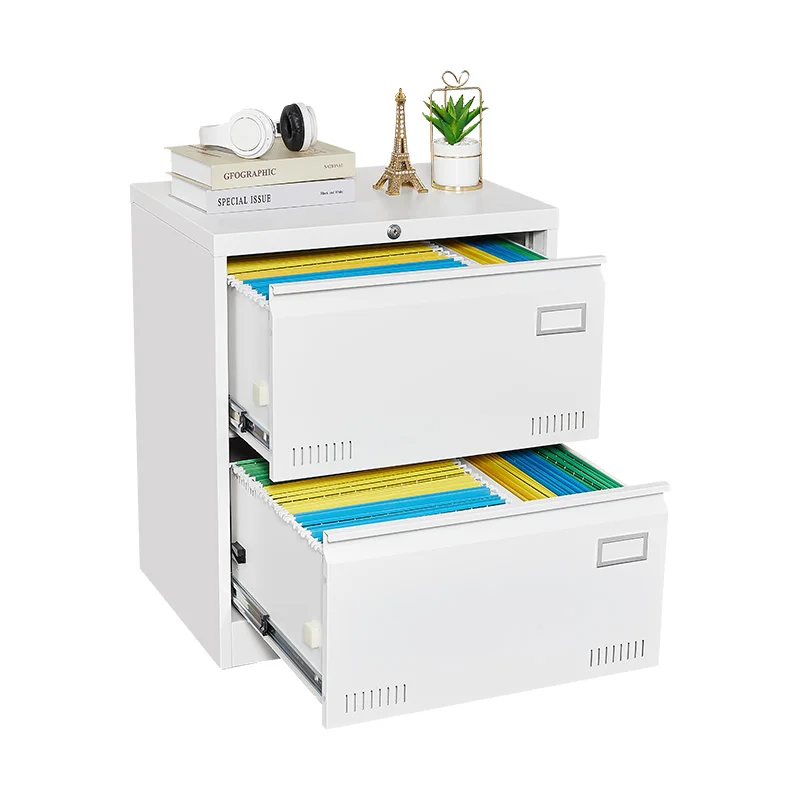
These have drawers that slide out sideways, allowing you to see all files at a glance. They are better for larger volumes and can support more weight on top.
Key Features to Consider
- Material: Steel is durable and fire-resistant; wood adds warmth but may be less sturdy.
- Locking Mechanism: Essential for confidential documents. Look for a reliable lock and key system.
- Drawer Suspension: Ball-bearing slides offer smooth, full extension, making it easier to access files in the back.
- Finish: Powder-coated steel resists scratches and rust, while laminate wood finishes are easy to clean.
Size and Capacity
Measure your space and consider the number of files you have. A 2-drawer cabinet holds roughly 2,000 letter-size documents, while a 4-drawer can double that. Also, check the depth and height to ensure it fits under a desk or alongside other furniture.
Style and Aesthetics
Filing cabinets aren’t just functional; they contribute to your office’s look. Choose a color that complements your décor—white for a clean, modern feel, or black for a classic touch. Some come with wood tops or handles that add a design element.
Security and Safety
If you handle sensitive information, a lock is non-negotiable. Look for cabinets with a central locking bar that secures all drawers simultaneously. Also, check for anti-tip mechanisms to prevent accidents, especially in homes with children.
Budget and Value
Prices vary widely based on material, size, and brand. Set a budget, but remember that a quality cabinet can last decades. Investing in a sturdy steel model with a good warranty is often wise.
For more insights on office organization, you can refer to this Wikipedia article on file cabinets.
White Filing Cabinets Office Steel Vertical Files Cabinet 2 Drawer Metal Lateral File Cabinet with Lock
If you’re looking for a reliable and stylish option, consider the White Filing Cabinets Office Steel Vertical Files Cabinet 2 Drawer Metal Lateral File Cabinet with Lock from Goldoma—it’s a solid choice for any modern workspace.
Frequently asked questions
What is the standard size of a filing cabinet?
Standard vertical cabinets are typically 28 inches deep, 15 inches wide, and 28 inches high for a 2-drawer model. Lateral cabinets are wider, ranging from 30 to 36 inches, with similar depths and heights.
How do I choose between a vertical and lateral filing cabinet?
Consider your space and storage needs. Vertical cabinets fit in narrow areas, while lateral cabinets offer more surface space and easier file visibility. If you have many files, lateral may be better.
Are locking filing cabinets worth it?
Yes, if you store confidential documents. A lock adds security and peace of mind, especially in shared offices or homes with kids. It’s a small price for protecting sensitive information.
What is the best material for a filing cabinet?
Steel is the most durable and fire-resistant, making it ideal for important documents. Wood offers a warmer look but may be less robust. For heavy use, steel with a powder-coated finish is recommended.
