
Blog
How to Choose the Perfect Lateral File Cabinet
Buying Guide
Lateral File Cabinet: Your Complete Buying Guide
A lateral file cabinet is a versatile storage solution that fits seamlessly into modern offices and home workspaces. In this guide, we’ll walk you through everything you need to know before making a purchase.
Why Choose a Lateral File Cabinet?
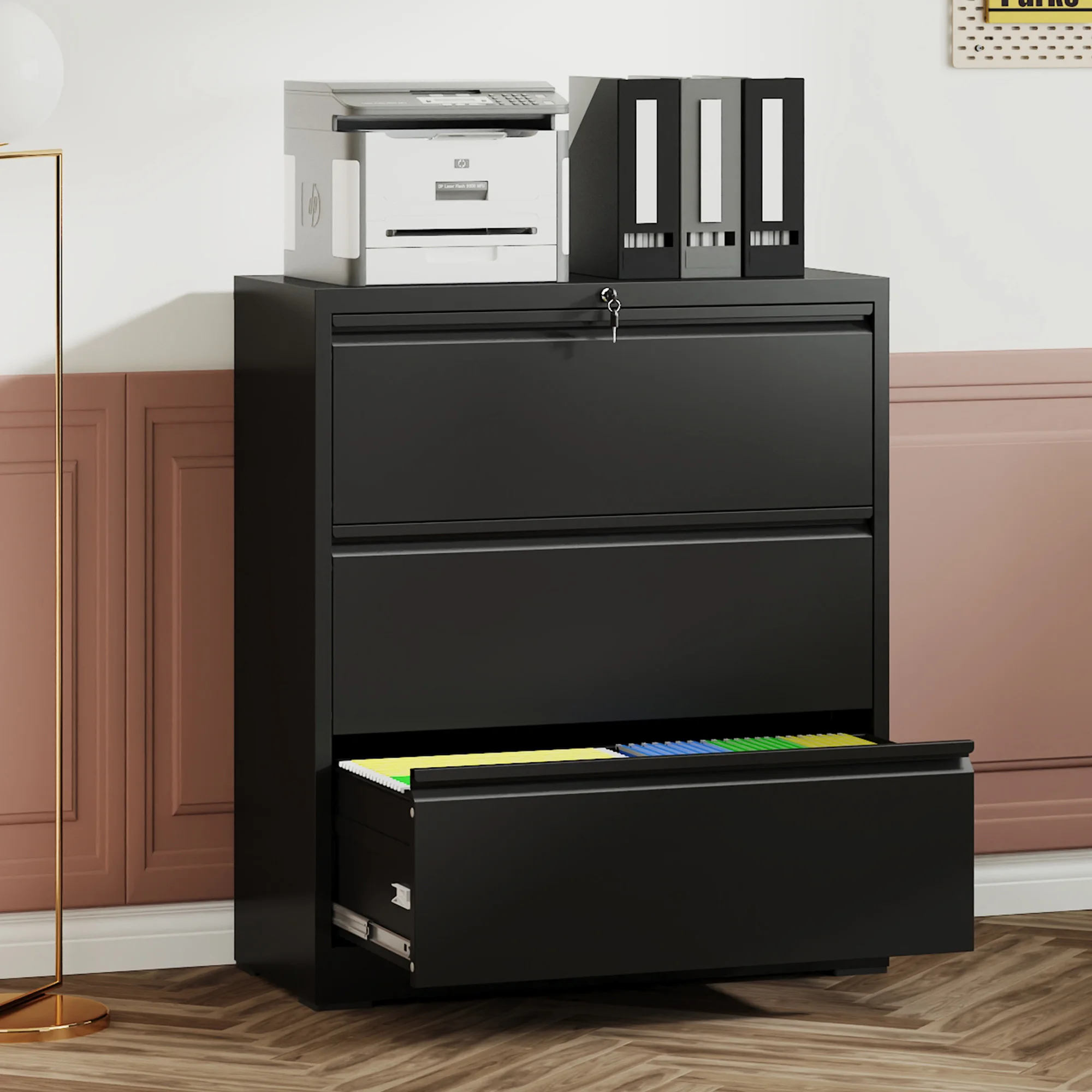
When it comes to filing documents, a lateral file cabinet offers distinct advantages over vertical models. Its wider drawers allow you to file letter, legal, and A4 sizes side by side, making it easier to organize and access your paperwork. Additionally, the top of the cabinet provides extra surface space for a printer or decorative items, maximizing your office’s functionality.
Unlike vertical files, which pull out from the short side, lateral cabinets pull out from the long side, offering better visibility and access to the contents. This design reduces strain on your back and wrists, making it a more ergonomic choice for daily use.
Key Features to Consider
Before you invest in a lateral file cabinet, evaluate these essential features to ensure it meets your needs:
- Size and Capacity: Measure your available space and consider the number of documents you need to store. Cabinets come in various widths, typically ranging from 30 to 45 inches, and may have two to five drawers.
- Material and Durability: Steel cabinets are sturdy and secure, while wood options add warmth to a room. Consider the weight capacity and the quality of the drawer slides.
- Security: If you handle sensitive documents, look for a cabinet with a locking mechanism. Some models feature interlocking drawers that prevent more than one drawer from opening at a time, reducing the risk of tipping.
- Anti-Tip Safety: Especially important if you have children or pets, an anti-tip mechanism ensures the cabinet remains stable even when multiple drawers are open.
- Mobility: Some cabinets come with casters, allowing you to move them easily. If you prefer a stationary unit, ensure it has adjustable leveling feet for stability on uneven floors.
Materials: Steel vs. Wood vs. Laminate
The material of your lateral file cabinet affects its appearance, durability, and price. Here’s a breakdown to help you decide:
Steel
Steel cabinets are the most common for office use. They are fire-resistant, easy to clean, and offer excellent security. Powder-coated finishes come in various colors, making it easy to match your decor. They are heavier, which adds stability but can be difficult to move.
Wood
Wood cabinets bring a classic, warm aesthetic to traditional or home offices. They are available in finishes like oak, cherry, or walnut. However, wood can be less durable than steel and may require more maintenance.
Laminate
Laminate cabinets offer a cost-effective alternative to wood, with a wide range of colors and patterns. They are moisture-resistant and easy to wipe down, making them suitable for home offices. However, they may not be as sturdy as solid wood or steel.
Security and Safety Features
Protecting your documents and ensuring the safety of those around the cabinet is paramount. Here are the key security features to look for:
- Central Locking System: A single lock that secures all drawers is convenient and reliable.
- Interlock System: This prevents more than one drawer from being open at a time, which not only enhances safety but also protects the cabinet from tipping.
- Anti-Tip Bracket: This attaches the cabinet to the wall, providing an extra layer of stability.
- Reinforced Drawer Slides: Heavy-duty slides ensure smooth operation and can support the weight of fully loaded drawers.
For more information on office safety standards, you can refer to Wikipedia’s article on office safety.
Size and Space Planning
Before purchasing, measure your space carefully. Consider the depth of the cabinet when the drawer is open, as it will extend outward. Ensure there is enough clearance for the drawer to fully extend without hitting furniture or walls. Also, think about the height—a taller cabinet may provide more storage but can be harder to reach the top drawer.
If you have limited floor space, a cabinet with a smaller footprint but more vertical drawers might be ideal. Conversely, if you have ample space, a wider cabinet can double as a room divider or additional work surface.
Organization and Accessories
Maximize the efficiency of your lateral file cabinet with these organizational accessories:
- File Rails: Adjustable rails allow you to switch between letter and legal sizes.
- Hanging File Folders: Use them to keep documents upright and easy to flip through.
- Drawer Dividers: These help separate different categories of files.
- Label Holders: Attach labels to the front of drawers for quick identification.
Some cabinets come with built-in features like a top drawer with a lock for storing sensitive items, or a padded top for extra seating.
Maintenance and Care
To keep your lateral file cabinet looking and functioning well, follow these simple tips:
- Clean regularly: Wipe down surfaces with a soft cloth and mild detergent. Avoid abrasive cleaners that can scratch the finish.
- Lubricate slides: Periodically apply a silicone-based lubricant to the drawer slides to ensure smooth opening and closing.
- Check hardware: Tighten any loose screws or handles to prevent accidents.
- Protect from moisture: Keep the cabinet in a dry environment to prevent rust or warping.
Final Thoughts
Choosing the right lateral file cabinet for your office involves balancing functionality, aesthetics, and budget. By considering the factors outlined above, you can make an informed decision that will serve you for years to come. Remember to prioritize safety features, especially if you have a busy household or office.
If you’re looking for a reliable option, consider the Drawer Lateral File Cabinet 35.4 Inch Wide Locking Heavy Duty Home Office Anti-Tip Safety Interlock Letter/Legal/A4 Files. It combines many of the essential features discussed, including a locking mechanism and anti-tip safety.
Drawer Lateral File Cabinet 35.4 Inch Wide Locking Heavy Duty Home Office Anti-Tip Safety Interlock Letter/Legal/A4 Files
For a reliable and safe option, the Drawer Lateral File Cabinet 35.4 Inch Wide Locking Heavy Duty Home Office Anti-Tip Safety Interlock Letter/Legal/A4 Files offers the essential features you need.
Frequently asked questions
What is the difference between a lateral file cabinet and a vertical file cabinet?
A lateral file cabinet is wider than it is deep, with drawers that pull out from the long side. This allows you to file documents side by side, making it easier to see and access files. A vertical file cabinet is deeper than it is wide, with drawers that pull out from the short side, typically storing files front to back.
How much weight can a lateral file cabinet hold?
The weight capacity varies by model and material. Steel cabinets can typically hold 200-300 pounds per drawer when fully loaded, while wood or laminate cabinets may have lower capacities. Always check the manufacturer’s specifications.
Can a lateral file cabinet tip over?
Yes, if multiple drawers are open at once, the cabinet can become unbalanced and tip forward. To prevent this, look for cabinets with an interlock system that allows only one drawer to be open at a time, or use an anti-tip bracket to secure it to the wall.
What size lateral file cabinet do I need for legal-size documents?
Legal-size documents are 8.5 x 14 inches, so you’ll need a cabinet with drawers that are at least 15 inches deep and 14 inches wide. Most lateral file cabinets accommodate letter, legal, and A4 sizes, but it’s always best to verify the interior dimensions.
