
Blog
The Ultimate Guide to Choosing a Solid Wood Writing Desk
Buying Guide
Your Complete Guide to a Solid Wood Writing Desk
A solid wood writing desk is more than just a piece of furniture; it’s an investment in your daily productivity and the aesthetic of your workspace. In this guide, we’ll walk you through everything you need to know to select the perfect desk that will serve you for years to come.
Why Choose a Solid Wood Writing Desk?
When it comes to selecting a desk for your home office or study, the material plays a pivotal role. A solid wood writing desk offers unmatched durability and timeless appeal. Unlike veneers or particleboard, solid wood can be refinished and repaired, ensuring your desk ages gracefully. Moreover, the natural grain patterns add unique character to your space, making each piece one-of-a-kind.
Investing in a solid wood desk is also an eco-friendly choice if sourced sustainably. Wood is a renewable resource, and many manufacturers now use certified lumber. By choosing solid wood, you’re not only enhancing your workspace but also making a responsible environmental decision.
Key Factors to Consider
Before making a purchase, there are several factors to evaluate to ensure your new desk meets your needs perfectly.
Size and Space
Measure your available space carefully. Consider the desk’s length, depth, and height. You’ll need enough surface area for your computer, documents, and other essentials, while leaving room for comfortable movement. A cluttered workspace can hinder productivity, so opt for a desk that offers ample space without overwhelming the room.
Storage Options
Think about how you like to organize your work. Some desks come with built-in drawers, shelves, or hutches. If you prefer a minimalist look, a simple desk with clean lines might suffice. Others may need extra compartments for files, stationery, or tech gadgets. Prioritize your storage needs to keep your desk tidy and efficient.
Style and Aesthetics
The design of your desk should complement your existing decor. Whether you prefer a rustic farmhouse look, a sleek modern design, or a classic executive style, there’s a solid wood desk to match. Consider the wood finish—dark walnut exudes sophistication, while oak adds a warm, casual feel. The shape also matters: rectangular desks are versatile, while L-shaped or corner desks maximize space.
Types of Wood for Writing Desks
The type of wood you choose affects both the appearance and durability of your desk. Here are some popular options:
- Oak: Known for its strength and prominent grain, oak is a classic choice that withstands wear and tear.
- Walnut: Rich in color and naturally resistant to decay, walnut offers a luxurious look.
- Cherry: Cherry wood darkens with age, developing a beautiful patina over time.
- Maple: Light in color and very hard, maple is ideal for contemporary designs.
- Teak: Highly durable and water-resistant, teak is perfect if you live in a humid climate.
Each wood type has unique characteristics, so research and possibly visit a showroom to see them in person. Remember, the grain pattern and color will vary, adding to the desk’s individuality.
Solid Wood vs. Other Materials
While there are many materials available for writing desks, solid wood stands out for several reasons. Compared to MDF or particleboard, solid wood is more robust and long-lasting. It also has a higher resale value and can be repaired if scratched or dented. Additionally, solid wood doesn’t off-gas harmful chemicals like some engineered woods, making it a healthier choice for your home.
However, solid wood desks can be heavier and more expensive. But considering their longevity, they offer better value over time. If you’re looking for a piece that will last for decades, solid wood is the way to go.
Maintenance and Care Tips
To keep your solid wood writing desk looking its best, regular maintenance is essential.
- Dust frequently with a soft, dry cloth to prevent buildup.
- Use coasters and placemats to protect the surface from moisture and heat.
- Clean spills immediately with a slightly damp cloth, then dry thoroughly.
- Apply a high-quality furniture polish or wax every few months to nourish the wood.
- Avoid placing the desk in direct sunlight, which can fade the finish.
With proper care, your desk will maintain its beauty and functionality for generations.
Popular Styles of Writing Desks
Solid wood writing desks come in various styles to suit different tastes and room aesthetics.
Traditional
These desks often feature intricate details, turned legs, and rich finishes. They evoke a sense of elegance and craftsmanship, perfect for a classic study.
Modern
Clean lines, minimal ornamentation, and smooth surfaces define modern desks. They focus on functionality and simplicity, blending seamlessly into contemporary interiors.
Rustic
Rustic desks showcase the natural beauty of wood with rough-hewn edges and distressed finishes. They bring a cozy, cabin-like feel to any room.
Industrial
Combining wood with metal frames, industrial desks offer a sturdy, urban look. They’re popular in loft apartments and creative workspaces.
Choose a style that reflects your personality and complements your home’s decor. The right desk can become the focal point of your office.
Ergonomics and Comfort
Your desk should not only look good but also support your posture and comfort. The height of the desk is crucial—your arms should rest naturally at a 90-degree angle when typing. Consider adjustable chairs and monitor stands to achieve the perfect setup.
Additionally, think about cable management. Many desks come with grommets or trays to keep cords organized, reducing clutter and potential hazards. A well-organized workspace enhances focus and reduces stress.
Budgeting for Your Desk
Solid wood desks are an investment, with prices varying based on wood type, craftsmanship, and brand. Set a realistic budget before shopping, but be open to spending a bit more for quality. Remember, a well-made desk can last a lifetime, making it a worthwhile purchase.
Consider the long-term value: a solid wood desk often retains its worth and can be passed down as an heirloom. If budget is tight, look for sales, second-hand options, or consider a simpler design with fewer features.
Where to Place Your Desk
The location of your desk in your home affects your productivity and the room’s flow. Place it near a window for natural light, but avoid glare on your screen. Ensure there’s adequate lighting for reading and writing. If you have limited space, consider a corner desk or a wall-mounted option.
Also, think about the ambiance. A quiet corner away from high-traffic areas can help you concentrate. Personalize your desk with a plant, photos, or a lamp to make it inviting.
For more inspiration on workspace design, you can explore the history of desks on Wikipedia.
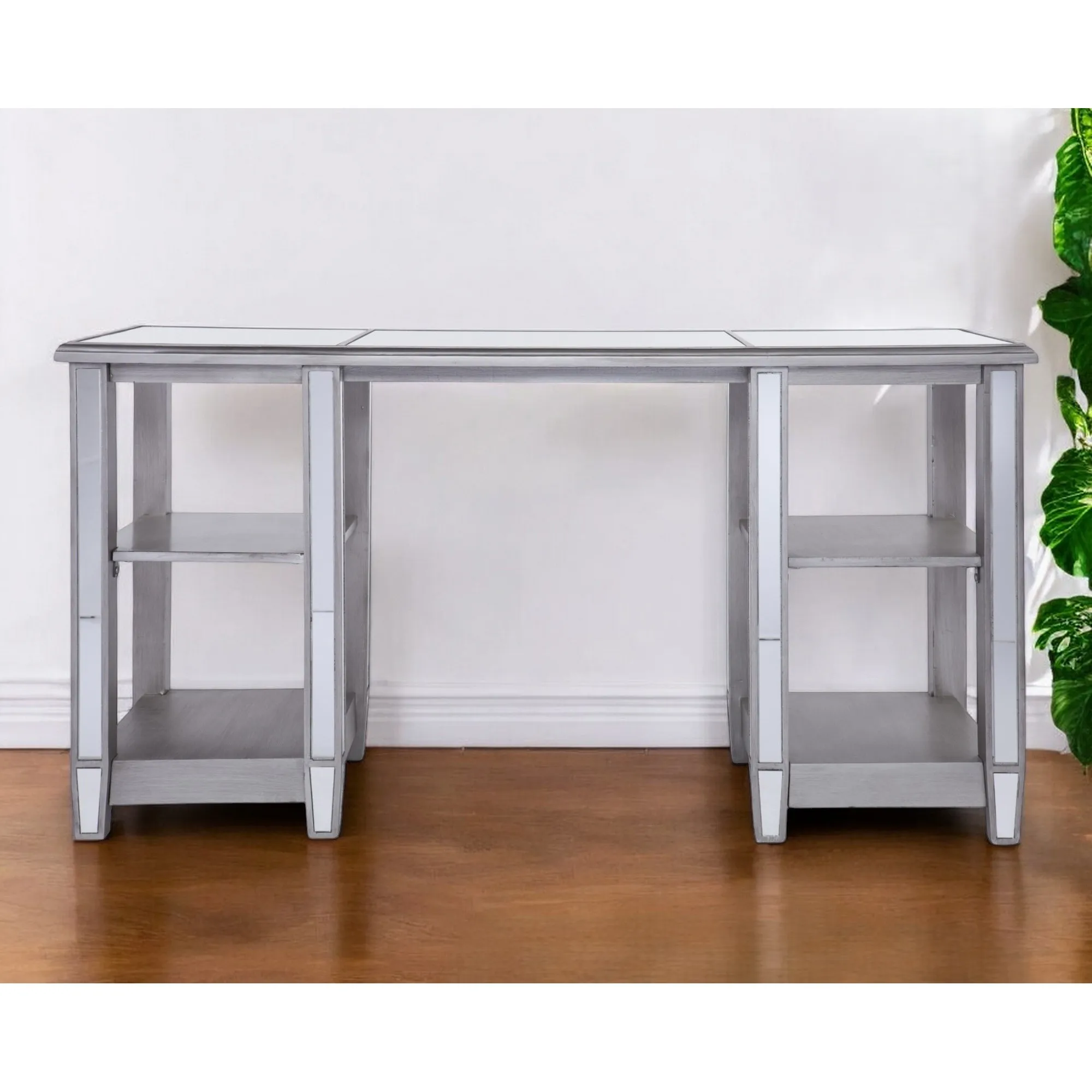
Solid Wood 50 Silver Mirrored Luxury Writing Desk Plate Work Desk for Office CEO Office Bedroom Study Office Building
For those seeking a blend of luxury and functionality, consider the Solid Wood 50 Silver Mirrored Luxury Writing Desk Plate Work Desk, which adds a touch of elegance to any office or study.
Frequently asked questions
What is the best wood for a solid wood writing desk?
The best wood depends on your priorities. Oak is durable and affordable, walnut is rich and luxurious, cherry ages beautifully, and maple is light and hard. Consider the look you want and how much wear the desk will endure.
How do I care for a solid wood writing desk?
Dust regularly with a soft cloth, use coasters to prevent water rings, clean spills immediately, and apply furniture polish or wax every few months to maintain the finish. Avoid placing it in direct sunlight.
Are solid wood desks worth the investment?
Yes, solid wood desks are durable, timeless, and can be refinished if damaged. They often last for decades and can become family heirlooms, making them a worthwhile investment compared to cheaper materials that may need replacement.
Can I use a solid wood desk for a standing desk?
Some solid wood desks are adjustable or can be paired with a standing desk converter. However, ensure the desk’s construction supports the additional weight and that the wood is properly sealed to withstand frequent adjustments.
