
Blog
Choosing the Perfect Office Computer Desk for Your Home
Buying Guide
Find Your Ideal Office Computer Desk
Your office computer desk is the centerpiece of your home workspace, influencing both productivity and comfort. Let’s explore what makes a great desk for your needs.
Assess Your Space and Needs
Before browsing options, measure your available space. A spacious desk might seem appealing, but a cramped room can hinder movement. Consider the length, width, and depth you have to work with. Also, think about what you’ll place on the desk: monitors, laptop, paperwork, and maybe a lamp or plants. List your daily tasks to determine how much surface area you truly need.
For small home offices, a compact desk with shelves can maximize vertical storage. For larger rooms, you can opt for a sprawling executive desk. Remember, your office computer desk should fit your workflow, not the other way around.
Material and Durability
The material of your desk affects both aesthetics and longevity. Solid wood offers timeless beauty and robustness, but it comes with a higher price tag. Engineered wood, like MDF or particleboard, is budget-friendly and available in many finishes, though it may not withstand heavy use as well. Metal desks are sturdy and modern, often with a sleek industrial look, but they can be cold and noisy.
If you’re eco-conscious, look for desks made from bamboo or recycled materials. Always check the weight capacity and warranty to ensure durability. A well-made desk will serve you for years, so don’t skimp on quality if you can afford it.
Ergonomics: Comfort and Health
Your posture and health depend on the ergonomics of your desk setup. The ideal height allows your elbows to rest at a 90-degree angle when typing, and your monitor should be at eye level. If you’re taller or shorter than average, consider an adjustable desk or one with a keyboard tray.
Remember, you can always use a monitor stand or an ergonomic chair to fine-tune your posture. The key is to avoid hunching or straining. Your office computer desk should encourage a natural, relaxed position.
Style and Aesthetics
Your desk should complement your home’s decor. Whether you prefer minimalist, rustic, or contemporary, there’s a desk to match. A sleek glass desk can make a small room feel larger, while a wooden desk adds warmth. Consider the color and finish: dark woods convey professionalism, light woods feel airy, and white or black desks are versatile.
Don’t forget about cable management. A desk with built-in grommets or a modesty panel can keep cords tidy, enhancing the overall look. Your workspace should inspire you, so choose a design that brings you joy.
Storage and Organization
Clutter can kill productivity. Look for desks with drawers, shelves, or hutch units to keep supplies within reach but out of the way. A desk with a hutch provides vertical storage without taking up extra floor space. Alternatively, a simple desk with a separate bookshelf can work well.
Think about what you need to store: files, stationery, or tech accessories. A desk with a keyboard tray and CPU holder can free up desk space. Remember, the goal is to have a place for everything, so you can focus on your work.
Budget Considerations
Set a realistic budget before you start shopping. Desks range from under $100 for basic models to over $1000 for premium pieces. Determine what features are non-negotiable, such as size or material, and be flexible on others. Remember, a desk is an investment in your productivity and well-being.
Consider the long-term value: a slightly more expensive desk that lasts 10 years is better than a cheap one that wobbles after a year. Look for sales or refurbished options if you’re on a tight budget. And don’t forget to factor in delivery costs if buying online.
Final Tips and Recommendations
When you’ve narrowed down your choices, read reviews from other users to learn about real-world experiences. Check for stability, ease of assembly, and customer support. If possible, visit a showroom to test the desk’s height and feel.
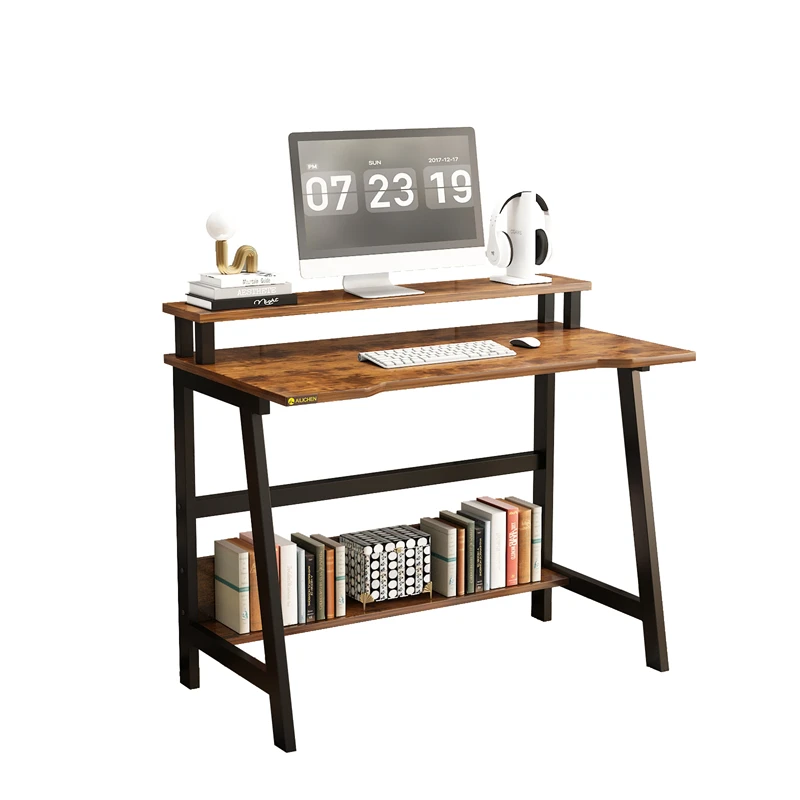
Remember, your office computer desk is a personal choice. It should meet your practical needs and reflect your style. Take your time, and you’ll find the perfect one. For a versatile option that combines storage and style, consider the YQ FOREVER Home Office Furniture Studio Computer Desks Shelf Desk Storage Office Writing Desk. It offers a sturdy design with shelves for organization, making it a great addition to any home office.
YQ FOREVER Home Office Furniture Studio Computer Desks Shelf Desk Storage Office Writing Desk
If you’re seeking a practical and stylish option, the YQ FOREVER Home Office Furniture Studio Computer Desks Shelf Desk Storage Office Writing Desk offers a convenient shelf and a clean design that fits well in any home office.
Frequently asked questions
What is the standard height for an office computer desk?
The standard desk height is around 29-30 inches, which suits most people. However, your ideal height depends on your body dimensions. When seated, your feet should rest flat on the floor, and your arms should form a 90-degree angle at the elbows. If the desk is too high or low, consider an adjustable chair or a keyboard tray.
How much space do I need for a computer desk?
Allow at least 24 inches of depth for a monitor and keyboard, and 48 inches of width for comfortable arm movement. If you have a large monitor or multiple screens, add extra depth. Also, leave at least 30 inches of clearance behind your chair for easy movement.
What is the best material for a durable office desk?
Solid wood, such as oak or walnut, is the most durable and can last decades with proper care. Engineered wood (MDF) is cheaper but less resistant to moisture and scratches. Metal frames offer strength, but the surface material matters. For longevity, choose a desk with a solid wood top or a high-pressure laminate surface.
How can I organize cables on my computer desk?
Use cable clips, sleeves, or a cable management tray to bundle cords together. Some desks have built-in grommets or channels to route cables. You can also attach a power strip under the desk to keep plugs accessible but hidden. Regularly untangle and label cables to make maintenance easier.
