
Blog
The Ultimate Patio Heater Buying Guide for Cozy Evenings
Buying Guide
Find Your Perfect Patio Heater for Year-Round Comfort
When the temperature drops, a reliable patio heater can transform your outdoor living area into a cozy retreat. In this guide, we’ll walk you through everything you need to know to make an informed choice.
Why You Need a Patio Heater
Even on cooler evenings, a patio heater allows you to enjoy your outdoor space to the fullest. It extends the usability of your patio, deck, or garden, making it a worthwhile investment for anyone who loves alfresco dining or relaxing under the stars.
Types of Patio Heaters: Which One Is Right for You?
Patio heaters come in various styles, each with its own set of advantages. Here are the main types you’ll encounter:
-
Freestanding Heaters
These are the classic umbrella-shaped heaters that stand on a base. They provide 360-degree heat and are perfect for open areas.
-
Tabletop Heaters
Compact and portable, these sit on a table and are great for smaller spaces like balconies or intimate gatherings.
-
Wall-Mounted Heaters
Ideal for saving floor space, these attach to a wall and are excellent for covered patios or pergolas.
-
Infrared Heaters
These use infrared technology to heat objects and people directly, not just the air. They are efficient and provide instant warmth.
Fuel Options: Propane, Natural Gas, or Electric?
The fuel source is a critical decision. Each has its pros and cons:
- Propane: Portable and powerful, but requires tank refills and proper ventilation.
- Natural Gas: Connected to your home’s gas line, offering unlimited heat without refueling, but installation is permanent.
- Electric: Clean, quiet, and low maintenance, but you’ll need a power source and it may be less powerful than gas.
Consider your usage patterns and available utilities to choose the best fit.
Heat Output and Coverage: What to Look For
Heat output is measured in BTUs (British Thermal Units) for gas heaters or watts for electric ones. A higher BTU rating means more heat, but also more fuel consumption. As a rule of thumb, you’ll need about 20 BTUs per square foot of space. For example, a 40,000 BTU heater can cover a 2,000 sq ft area. Also consider the heater’s height and angle to ensure it warms the area where people will sit.
Safety First: Essential Features to Consider
Safety should never be compromised. Look for these features when buying a patio heater:
- Tip-over switch: Automatically shuts off the heater if it falls over.
- Oxygen depletion sensor: Detects low oxygen levels and shuts off the heater.
- Stable base: A wide, heavy base prevents accidental tipping.
- Certifications: Check for safety certifications like CSA or UL.
Also, always follow the manufacturer’s instructions and keep the heater away from flammable materials.
Portability and Storage: Making the Most of Your Investment
If you plan to move your heater around or store it during off-seasons, portability matters. Look for models with wheels or lightweight construction. Consider the size and weight when not in use—some heaters come with covers for protection. A portable option gives you flexibility to heat different areas as needed.
Maintenance and Durability: How to Prolong Heater Life
Proper maintenance ensures your heater lasts for years. Here’s what to keep in mind:
- Clean regularly: Wipe down surfaces and remove dust from burners or heating elements.
- Inspect for damage: Check hoses and connections for leaks or wear, especially after winter.
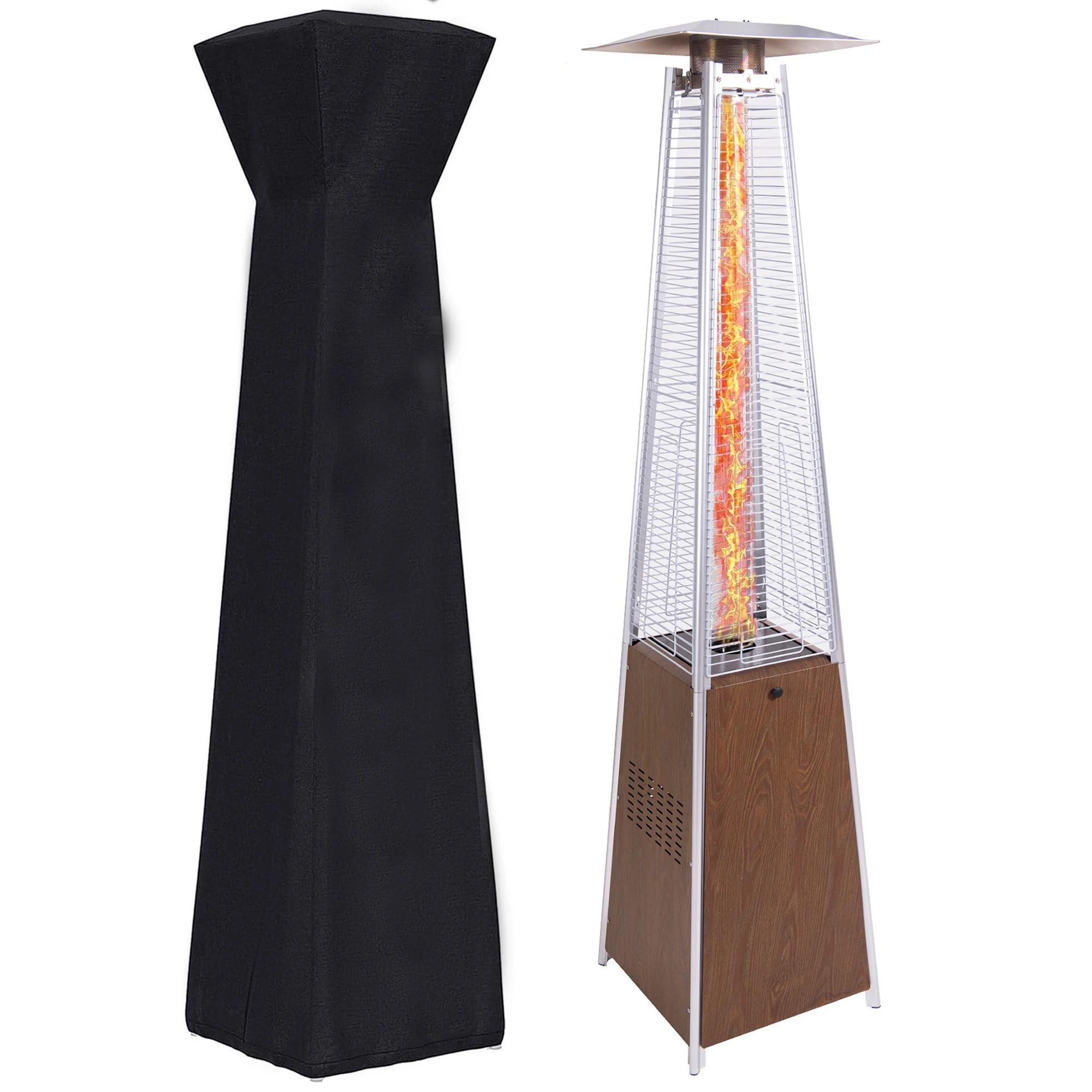
- Cover when not in use: Use a waterproof cover to protect from rain and snow.
- Follow seasonal care: For propane heaters, disconnect the tank during storage.
Regular care not only extends lifespan but also ensures safe operation.
Budget and Value: Balancing Cost and Quality
Patio heaters range from budget-friendly to high-end. While it’s tempting to go for the cheapest option, consider the long-term value. A well-built heater with good safety features and warranty will save you money in the long run. Think about your frequency of use and the climate you live in to determine how much you should invest.
For more in-depth information on outdoor heating, you can refer to this Wikipedia article on patio heaters.
Pyramid Stainless & Iron Patio Heater with Infrared Glass Tube Portable Outdoor Gas Heater for Camping for Outdoor Use
For a stylish and efficient option, consider the Pyramid Stainless & Iron Patio Heater with Infrared Glass Tube, which combines durability with effective heat distribution.
Frequently asked questions
What is the best type of patio heater for a small balcony?
For a small balcony, a tabletop electric or propane heater is ideal. They are compact, portable, and provide sufficient heat for a limited area. Electric ones are particularly convenient if you have an outlet nearby.
How many BTUs do I need for my patio heater?
As a general guideline, you need about 20 BTUs per square foot of space. For a typical 100 sq ft patio, a 2,000 BTU heater would suffice, but most heaters range from 30,000 to 50,000 BTUs, which can cover larger areas.
Are infrared patio heaters safe?
Yes, infrared patio heaters are safe when used correctly. They emit infrared radiation that heats objects directly, and they don’t burn oxygen or produce carbon monoxide. Always follow safety guidelines and keep flammable materials away.
Can I use a propane patio heater indoors?
No, propane patio heaters are designed for outdoor use only. Using them indoors can lead to carbon monoxide buildup and fire hazards. Always operate them in well-ventilated areas.
