
Blog
Propane Patio Heater Buying Guide for Cozy Evenings
Outdoor Comfort
Your Complete Propane Patio Heater Buying Guide
When the temperature drops, a propane patio heater can turn your deck or patio into a year-round retreat. But with so many models available, how do you know which one is right for you?
Understanding BTU: How Much Heat Does Your Propane Patio Heater Need?
The heat output of a propane patio heater is measured in British Thermal Units (BTUs). Simply put, the higher the BTU, the more heat it produces. But more isn’t always better—it depends on your space.
For a small balcony or patio, a heater with around 30,000 to 40,000 BTUs is sufficient. For larger areas like a spacious deck or open backyard, you’ll want something in the 40,000 to 50,000 BTU range. In general, you can expect about 20 BTUs per square foot of space you want to heat.
Consider the Climate
If you live in a milder climate, a lower BTU heater might do the trick. But if you face chilly winds, a higher BTU model will keep you comfortable. Always think about how you’ll use the heater: for a cozy corner or a large gathering?
Choosing the Right Size and Style for Your Space
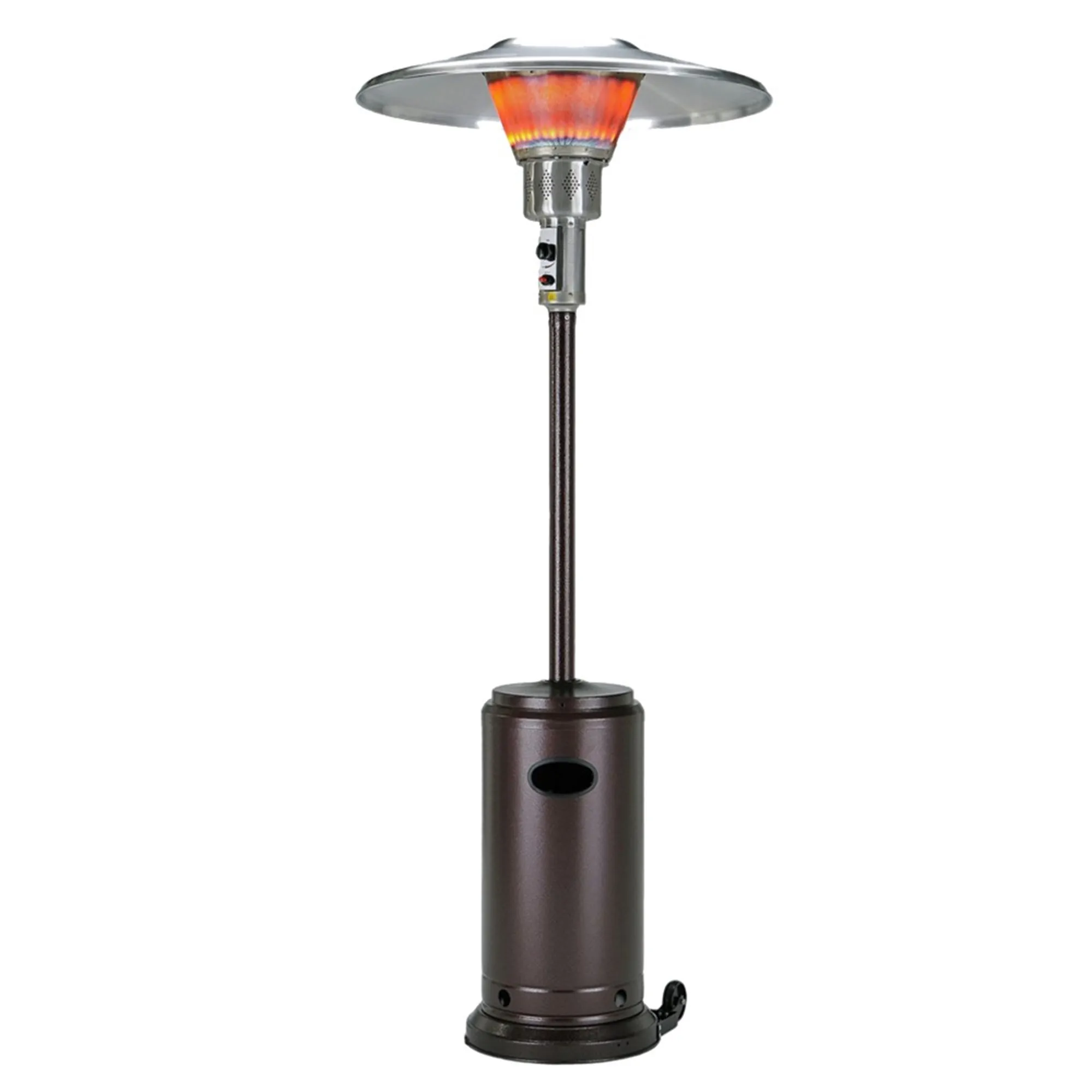
Patio heaters come in various shapes and sizes, from tall cylindrical models to tabletop versions. The classic standing cylindrical design, like the one from Goldoma, is popular for its stability and wide heat distribution. It fits well in most outdoor settings and provides a focal point for your seating area.
Consider the height: a taller heater will spread warmth over a larger area, while a shorter one might be better for intimate spaces. Also, think about the footprint—make sure it doesn’t obstruct foot traffic. The material matters too: stainless steel and bronze finishes are durable and add a touch of elegance.
Safety Features to Look For in a Propane Patio Heater
Safety should be your top priority. Look for these essential features:
- Tip-over switch: Automatically shuts off the gas if the heater falls over.
- Oxygen depletion sensor: Detects low oxygen levels and turns off the heater to prevent carbon monoxide buildup.
- Sturdy base: A heavy, wide base prevents accidental tipping.
- CSA or ETL certification: Ensures the heater meets safety standards.
Always place your heater on a flat, stable surface and keep it away from flammable materials. Never leave it unattended while in use.
Fuel Efficiency: How to Get the Most from Your Propane
Propane patio heaters typically run on 20-pound or 40-pound tanks. The burn time depends on the BTU output and the tank size. A 20-pound tank will last about 10-12 hours at 40,000 BTUs. Higher BTUs will consume fuel faster.
To extend burn time, look for heaters with adjustable heat settings. You can lower the heat on milder evenings to conserve fuel. Also, consider the ignition system: piezo or electronic ignition is convenient and prevents wasting matches.
Assembly and Maintenance Tips
Most propane patio heaters require some assembly. Look for models with clear instructions and minimal tools. Typically, you’ll attach the base, pole, and reflector. The Goldoma model, for example, is straightforward to put together.
Regular maintenance includes checking hoses and connections for leaks, cleaning the burner ports, and covering the heater when not in use. A quick wipe-down with a damp cloth keeps it looking new.
Where to Place Your Propane Patio Heater
Placement is key to maximizing heat and safety. Position the heater so it faces the seating area, but keep it at least 3 feet away from any combustible objects. Ideally, place it on a hard, level surface like concrete or brick. If you have a wooden deck, use a protective mat to prevent heat damage.
Consider the wind direction. To avoid blowing heat away, position the heater upwind of your seating area. You can also use windbreaks like screens or plants.
Comparing Propane vs. Electric Patio Heaters
While this guide focuses on propane, it’s worth noting the differences. Propane heaters produce higher heat output and are portable, making them great for large spaces. Electric heaters are easier to install and have no fumes, but they require a nearby outlet and have lower heat output.
For most homeowners, a propane patio heater offers the best balance of warmth, portability, and convenience. According to the Wikipedia article on patio heaters, propane models are the most common type.
Final Thoughts: Making the Right Choice
When you’re ready to buy, consider your space, climate, and style preferences. Remember to prioritize safety and fuel efficiency. A well-chosen propane patio heater will extend your outdoor living season and create a cozy ambiance for gatherings.
One model that checks all the boxes is the BTU Bronze Steel Propane Patio Heater Standing Cylindrical Pole Design for Outdoor Use from Goldoma. It offers a classic look, sturdy construction, and reliable performance. It’s a smart addition to any patio.
BTU Bronze Steel Propane Patio Heater Standing Cylindrical Pole Design for Outdoor Use
For a reliable and stylish option, consider the BTU Bronze Steel Propane Patio Heater with a cylindrical pole design—it’s built to last and looks great on any patio.
Frequently asked questions
How many BTUs do I need for my propane patio heater?
The BTU you need depends on the size of your space. Generally, 30,000 to 40,000 BTUs work for small to medium patios, while larger areas may require 40,000 to 50,000 BTUs. As a rule of thumb, aim for about 20 BTUs per square foot.
How long does a propane tank last on a patio heater?
A standard 20-pound propane tank will last approximately 10 to 12 hours at 40,000 BTUs. Higher BTU settings will reduce burn time, while lower settings can extend it. Always check the manufacturer’s specifications.
Are propane patio heaters safe to use on a wooden deck?
Yes, but you must take precautions. Place the heater on a stable, non-combustible surface like a concrete paver or a metal heat shield. Keep it at least 3 feet away from walls, furniture, and other flammable materials, and never leave it unattended.
Can I use my propane patio heater in the winter?
Absolutely. Propane heaters are excellent for winter use. They provide consistent heat even in cold weather. However, be mindful of wind, which can blow heat away. Position the heater strategically and consider a windbreak for best results.
