
Blog
Patio Umbrella Cantilever: A Complete Buying Guide
Outdoor Living
Find Your Ideal Patio Umbrella Cantilever Today
When it comes to shading your outdoor living area, a patio umbrella cantilever is a game-changer, offering flexible shade without a center pole. This guide will walk you through everything you need to consider before making a purchase.
Why Choose a Patio Umbrella Cantilever?
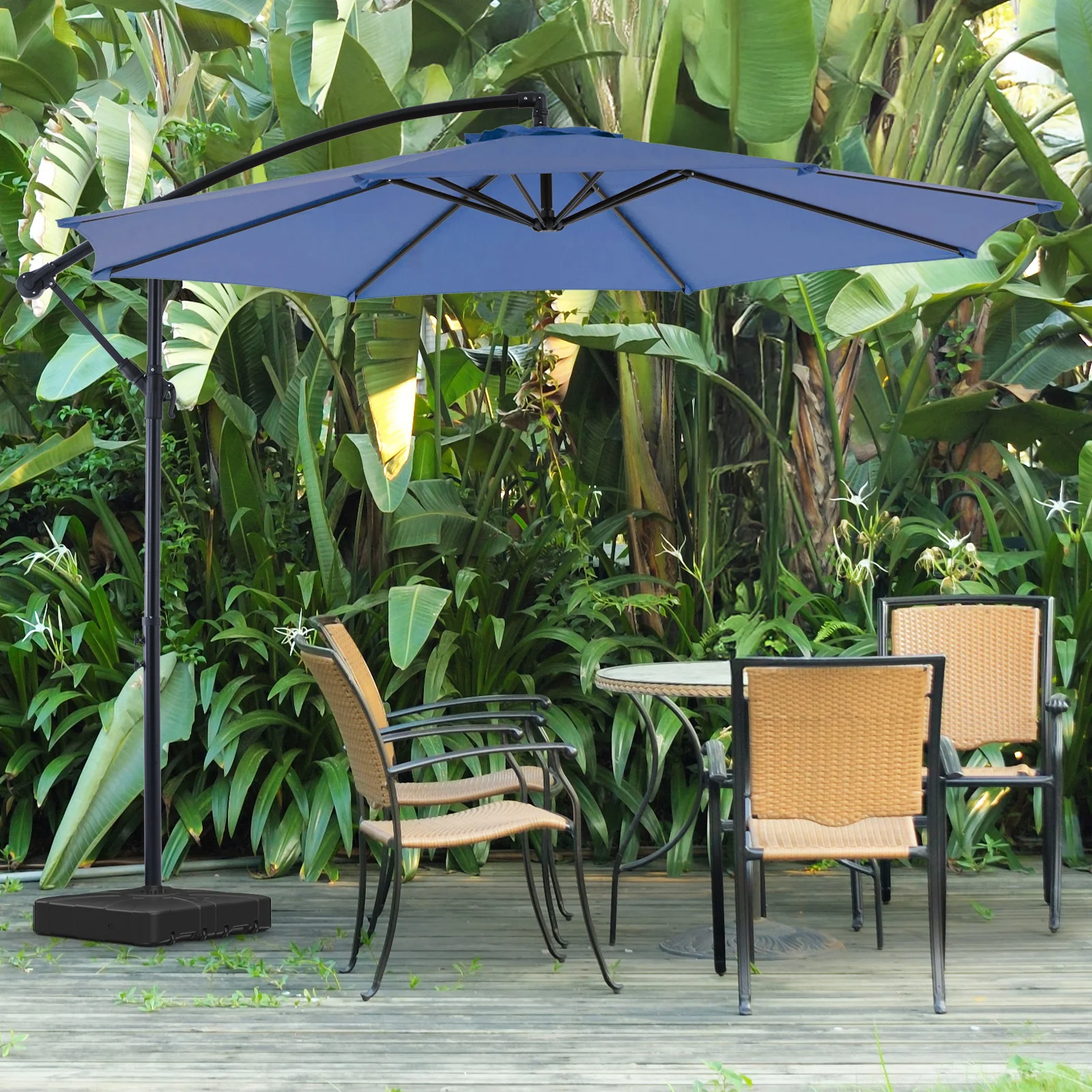
A patio umbrella cantilever stands out for its offset design, which supports the canopy from the side rather than the center. This leaves the area beneath completely open, making it ideal for placing over a dining table, lounge chair, or hot tub. Unlike traditional umbrellas, a cantilever allows you to position the shade exactly where you need it, while keeping the pole out of the way.
Another advantage is the ability to rotate the umbrella 360 degrees, following the sun as it moves across your yard. This flexibility means you can enjoy shade from morning to evening without moving furniture. Additionally, many cantilever umbrellas come with tilt options, letting you adjust the angle to block low sun or provide shade on demand.
Key Factors to Consider When Buying
Before you invest in a patio umbrella cantilever, it’s essential to evaluate several factors to ensure it fits your space and needs. The right choice will enhance your outdoor experience for years to come.
Size and Coverage
Measure the area you want to shade. Cantilever umbrellas typically range from 8 to 13 feet in diameter. A larger umbrella provides more coverage but requires a heavier base and more space for the offset arm. Consider the size of your table or seating area and choose an umbrella that extends at least 2 feet beyond the edges for adequate shade.
Fabric and Durability
Look for canopy fabrics that are UV-resistant and water-repellent. Solution-dyed acrylic fabrics like Sunbrella offer excellent colorfastness and durability, resisting fading and mildew. Check the fabric’s denier and coating for added protection. Also, ensure the frame is made of rust-resistant materials like aluminum or powder-coated steel, as these withstand outdoor elements.
Base and Stability
A sturdy base is crucial for a cantilever umbrella, especially in windy conditions. The base must be heavy enough to counterbalance the umbrella’s weight and wind load. Common options include concrete, steel, or a cross base that can be weighted with sand or water. Some umbrellas come with a base, but often you’ll need to purchase it separately—check the manufacturer’s recommendations.
Ease of Use
Consider how easy it is to open, close, and adjust the umbrella. A crank lift system is convenient, allowing you to open the canopy with minimal effort. Also, look for a tilt mechanism that is smooth and easy to operate. Some models feature a push-button tilt, while others use a crank or a simple lock. Ensure the controls are accessible from a standing position.
Installation and Maintenance Tips
Proper installation and care can significantly extend the life of your patio umbrella cantilever. Start by assembling the base and frame according to the manufacturer’s instructions, ensuring all bolts are tightened. Place the base on a level surface, and if possible, anchor it to a deck or patio to prevent tipping. For added stability, you can use sandbags or heavy weights on the base.
To clean the canopy, use mild soap and water, and rinse thoroughly. Avoid using harsh chemicals or abrasive brushes that can damage the fabric. When not in use, especially during storms or strong winds, close the umbrella and cover it with a protective cover. This will prevent damage and keep it looking new.
Comparing Cantilever to Traditional Patio Umbrellas
While both types of umbrellas provide shade, a patio umbrella cantilever offers distinct benefits. Traditional umbrellas have a central pole that can obstruct movement and limit furniture placement. In contrast, cantilever umbrellas free up space, making them perfect for larger seating areas or poolside lounging.
However, traditional umbrellas are often more portable and easier to store. They also tend to be less expensive. If you have a small balcony or need a temporary shade solution, a traditional umbrella might suffice. But for permanent, versatile shade, a cantilever is the superior choice.
Top Features to Look For
When shopping for a patio umbrella cantilever, prioritize features that enhance convenience and longevity. Look for a canopy with a high UV protection rating, such as UPF 50+, to shield you from harmful rays. A vented canopy allows heat to escape, reducing the temperature underneath and preventing the umbrella from acting like a sail in the wind.
Also, consider the frame’s construction. An aluminum frame is lightweight and rust-resistant, while a steel frame offers more strength but is heavier. Powder-coated finishes add an extra layer of protection against chipping and corrosion. Finally, check the warranty—a good warranty indicates the manufacturer’s confidence in their product.
Where to Place Your Cantilever Umbrella
Location is key to maximizing the benefits of your cantilever umbrella. Position it to shade the area you use most during peak sun hours, such as a dining set or a reading nook. Make sure there’s enough clearance for the umbrella to rotate without hitting walls, trees, or other obstacles. If you have a pool, placing the umbrella near the edge provides shade for swimmers and loungers alike.
Consider the prevailing wind direction in your area. To prevent the umbrella from toppling, position it so that the canopy faces away from strong winds. If possible, anchor the base to a permanent structure like a deck or patio. For temporary setups, use heavy weights or a base with a larger footprint.
Budgeting for Your Purchase
Prices for patio umbrella cantilevers vary widely, from budget-friendly options under $100 to premium models exceeding $500. The cost depends on size, materials, and features. Set a budget that aligns with your needs and expectations. Remember that a higher initial investment often pays off in longevity and performance. Don’t forget to factor in the cost of a base if it’s not included.
If you’re looking for a reliable and affordable option, the patio umbrella market offers many choices. One notable product is the JHK 10FT Outdoor Patio Umbrella Hanging Cantilever, which combines ease of use with sturdy construction. It features an easy tilt adjustment and UV protection, making it a solid pick for your backyard.
Final Thoughts
Investing in a patio umbrella cantilever can transform your outdoor space into a comfortable retreat. By considering the factors outlined above, you’ll be well-equipped to make a smart purchase. Remember to prioritize quality, stability, and ease of use, and your umbrella will serve you for many seasons to come.
JHK 10FT Outdoor Patio Umbrella Hanging Cantilever with Easy Tilt Adjustment UV Protection 8 Sturdy Ribs for Backyard Garden
For a reliable and hassle-free option, the JHK 10FT Outdoor Patio Umbrella Hanging Cantilever offers easy tilt adjustment, UV protection, and sturdy ribs, making it a practical choice for your backyard.
Frequently asked questions
What is the ideal size for a cantilever umbrella?
The ideal size depends on the area you want to shade. For a small bistro table, an 8-foot umbrella may suffice, but for a large dining set, consider a 10- to 13-foot umbrella. Measure your space and choose one that provides at least 2 feet of overhang.
How do I stabilize a cantilever umbrella in windy conditions?
Use a heavy base (at least 50-100 lbs) and consider additional weights like sandbags. Also, close the umbrella when not in use during strong winds, and if possible, anchor the base to a deck or patio.
Can I leave my cantilever umbrella outside year-round?
While many are weather-resistant, it’s best to store or cover them during harsh weather, especially snow or heavy rain, to prolong their life. Use a protective cover and clean the canopy regularly.
What is the best fabric for a cantilever umbrella?
Solution-dyed acrylic fabrics like Sunbrella are highly recommended for their durability, UV resistance, and fade resistance. They also repel water and resist mildew, making them ideal for outdoor use.
