
Blog
Patio Umbrella with Base: Buying Guide
Outdoor Living
Find Your Perfect Patio Umbrella with Base
A patio umbrella with base is the cornerstone of outdoor comfort, offering shade and style. Here’s how to pick the right one for your space.
Why a Patio Umbrella with Base Matters
When the sun beats down, a patio umbrella with base becomes your best friend. It transforms a scorching patio into a cool retreat, allowing you to enjoy your outdoor space for longer. But not all umbrellas are created equal. The right one depends on your needs, climate, and the layout of your outdoor area.
Consider the primary purpose: is it for dining, lounging, or both? A larger umbrella might be necessary for a dining table, while a smaller one could suffice for a cozy seating nook. Also, think about the direction of the sun at different times of day—you’ll want to position the umbrella to block it effectively.
Key Factors to Consider Before Buying
Before making a purchase, take a few measurements and note your patio’s specifics. This will save you from buying an umbrella that’s too big or too small.
- Space Size: Measure the area you want to shade. A general rule is that the umbrella should be at least 2 feet wider than your table or seating area on all sides.
- Umbrella Type: Center-pole umbrellas are common, but offset (cantilever) umbrellas offer more flexibility if you have furniture that blocks a central pole.
- Base Weight: The base must be heavy enough to keep the umbrella stable. As a guideline, a base should weigh at least 20-30 pounds for a 6-foot umbrella, and more for larger ones.
- Fabric and Frame: Look for UV-resistant, water-repellent fabrics like polyester or acrylic, and sturdy frames made of aluminum, steel, or wood.
Understanding these basics will help you narrow down your options.
Materials and Durability: What to Look For
The materials of your patio umbrella with base determine its lifespan and performance. Let’s break down the common choices.
Umbrella Canopy Fabrics
- Polyester: Affordable and fade-resistant, but may not be as breathable as other options.
- Acrylic: More durable, resistant to mildew and UV rays, but pricier.
- Canvas: Heavy-duty and classic, but requires more maintenance.
Frame Materials
- Aluminum: Lightweight, rust-proof, and ideal for humid climates.
- Steel: Strong and sturdy, but can rust if not coated.
- Wood: Elegant and natural, but requires sealing and care.
The base is equally important. It can be made of cast iron (heavy, stable), resin (lighter, portable), or concrete (durable). Some bases come with wheels for easy movement, which is handy if you rearrange furniture often.
Size and Coverage: Finding the Right Fit
Choosing the right size is vital for both function and aesthetics. A patio umbrella with base that’s too small leaves you squinting in the sun, while one that’s too large can overwhelm your space.
Here’s a quick guide:
- 6-foot umbrellas: Good for small bistro tables or compact balconies.
- 8-foot umbrellas: Standard for most patio tables seating 4-6.
- 10-foot and larger: Ideal for dining sets or to cover lounge areas.
Also, consider the shape: round is classic, square or rectangular can offer more coverage for long tables, and octagonal provides a traditional look. The pole diameter should fit securely into your base—most bases are adjustable, but double-check.
Wind Resistance and Stability
Wind is the enemy of any umbrella. A sudden gust can turn your umbrella into a kite, causing damage or injury. To ensure stability, the base must be heavy enough, and the umbrella should have features like a vented canopy (which allows wind to pass through) or a tilt mechanism to lower the profile.
For windy areas, consider a base that can be filled with sand or water for extra weight. Some umbrellas also come with a crank system that makes it easy to open and close, reducing the risk of damage when not in use.
Always close your umbrella when you’re not using it, especially if a storm is brewing. It’s a simple habit that prolongs the life of your investment.
Style and Aesthetics: Blending with Your Decor
Your patio umbrella with base should complement your outdoor furniture and the overall vibe of your backyard. Whether you prefer a modern, minimalist look or a more traditional, ornate design, there’s an umbrella to match.
- Color: Neutral tones like beige, gray, or black are versatile and hide dirt well. Bold colors can make a statement but may fade faster.
- Design: Stripes add a classic touch, while solids offer a clean look. Some umbrellas have scalloped edges or decorative fringes.
- Base Style: The base itself can be decorative, from simple black resin to intricate cast iron patterns. Choose one that enhances your patio’s aesthetic.
Remember, your umbrella will be a focal point, so take your time to find one that you’ll love for years.
Maintenance Tips for Longevity
To get the most out of your patio umbrella with base, a little care goes a long way.
- Clean regularly: Brush off debris and spot-clean stains with mild soap and water. Avoid harsh chemicals that can damage the fabric.
- Store properly: During off-season or harsh weather, store the umbrella in a dry place. A cover can protect it from dust and UV damage.
- Check the base: If your base has wheels, ensure they aren’t corroded. For fillable bases, drain and clean them periodically.
- Tighten screws: Over time, screws can loosen. A quick check every few months keeps everything secure.
By following these simple steps, your umbrella will remain a reliable shade solution for many seasons.
Budgeting for Your Purchase
Patio umbrellas with bases range from budget-friendly to high-end. It’s tempting to go cheap, but remember: this is an outdoor investment. A quality umbrella that lasts 5 years is better than a flimsy one that needs replacing yearly.
Set a budget that includes not just the umbrella, but also the base and any accessories like a stand or cover. Compare features and read reviews to find the best value for your money. Look for warranties, too—they’re a sign of confidence in the product.
If you’re on a tight budget, consider buying a slightly smaller umbrella or a simpler base. You can always upgrade later.
For a reliable and affordable option, the parasol has been a trusted design for centuries, and modern versions offer excellent performance.
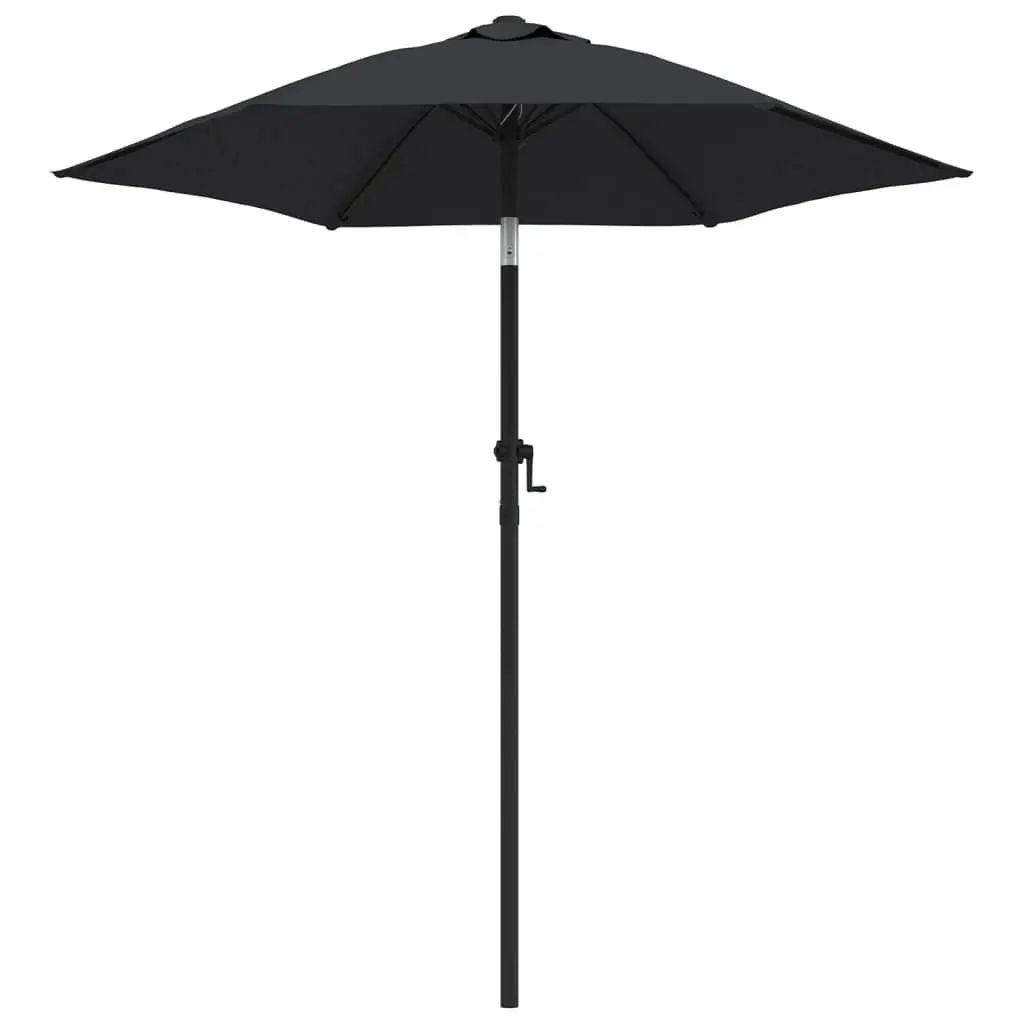
W2B VidaXL Garden Parasol Medium Black and Dark Grey Aluminum & Polyester Patio Umbrella with Base for Courtyard Use
If you’re looking for a simple, sturdy option, the W2B VidaXL Garden Parasol Medium Black and Dark Grey Aluminum & Polyester Patio Umbrella with Base is a solid choice for courtyard use.
Frequently asked questions
What size patio umbrella with base do I need?
Measure your table or seating area. The umbrella should extend at least 2 feet beyond the edges on all sides. For a standard 48-inch table, a 7-8 foot umbrella works well.
How much should the base weigh?
A general rule is 20-30 pounds for a 6-foot umbrella, and add 10 pounds for each additional foot. For windy areas, go heavier or use a fillable base with sand or water.
Can I leave my umbrella up in the wind?
It’s not recommended. Even with a heavy base, strong gusts can lift the umbrella. Always close it when not in use or during storms.
What’s the best material for a patio umbrella?
For the canopy, acrylic is durable and fade-resistant, while polyester is budget-friendly. For the frame, aluminum is lightweight and rust-proof, and wood offers classic beauty but requires more care.
