
Blog
Round Jute Placemat: The Natural Touch Your Table Needs
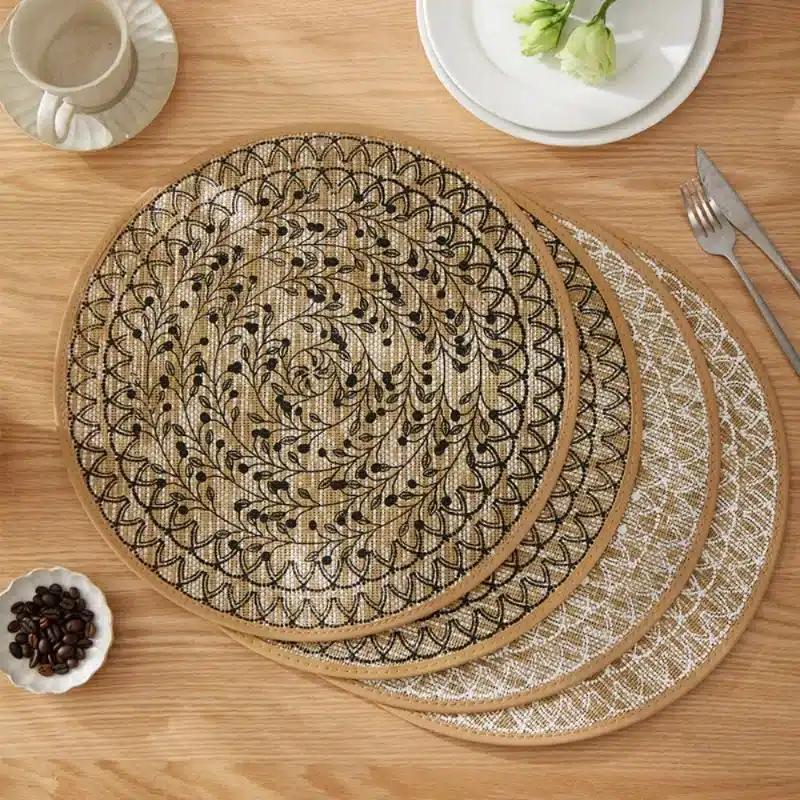
Table Decor
The Ultimate Round Jute Placemat Buying Guide
A round jute placemat is more than just a table accessory—it’s a statement of natural elegance. Whether you’re setting a casual breakfast nook or a formal dinner table, these earthy mats bring warmth and texture to any setting.
Why Choose a Round Jute Placemat?
Jute is one of the most sustainable natural fibers, making it an excellent choice for eco-conscious homes. A round jute placemat adds organic texture and a rustic charm that complements both modern and traditional interiors. Unlike synthetic mats, jute is biodegradable and renewable, grown without heavy pesticides. Plus, its natural golden-brown hue pairs beautifully with wood, ceramics, and linen.
Key Factors to Consider When Buying
Material Quality
Look for 100% natural jute, sometimes blended with cotton for extra softness. High-quality jute feels sturdy but not rough. Check for uniform weaving—loose threads can shorten the mat’s life.
Weave and Thickness
Common weaves include tight herringbone or basket weave. Thicker mats (around 5–8 mm) offer better cushioning for plates and glasses. A dense weave also resists fraying better over time.
Size and Shape
Round placemats typically range from 12 to 16 inches in diameter. Measure your table and plates to ensure the mat extends about 2 inches beyond the plate edge. For a cohesive look, use matching or contrasting round mats.
Care and Maintenance
Jute is absorbent and can stain easily. Spot clean with a damp cloth and mild soap. Avoid soaking; instead, let it air dry flat. Vacuum occasionally to remove crumbs. For deeper cleaning, check the label—some are hand-washable.
For more on natural fiber care, see Wikipedia’s jute article.
How to Style Your Round Jute Placemat
A round jute placemat works wonders as a neutral base. Layer it with a contrasting charger or a linen napkin for depth. In summer, pair with bright floral plates; in winter, with earthenware and candlelight. Jute also softens the look of glass or metallic tableware.
Durability and Longevity
With proper care, a good round jute placemat can last for years. Rotate mats to even out wear, and keep them away from direct sunlight to prevent fading. Avoid using them for hot pots directly—jute can scorch. Use trivets instead.
Eco-Friendly and Ethical Production
Jute farming supports rural economies in India and Bangladesh. Choosing a round jute placemat from fair-trade sources ensures artisans receive fair wages. Many mats are handwoven, preserving traditional crafts. By buying jute, you reduce plastic waste and support sustainable livelihoods.
Where to Use Round Jute Placemats
- Daily dining: Protects tables from scratches and heat.
- Outdoor picnics: Lightweight and easy to carry.
- Kitchen islands: Adds texture to a busy space.
- Office desks: A natural coaster for coffee mugs.
Comparing Jute to Other Natural Fibers
Unlike cotton, jute is stiffer and more textured. Sisal is similar but rougher. Bamboo mats are smooth but less absorbent. A round jute placemat offers the best balance of durability, eco-friendliness, and aesthetic warmth for most households.
Placemat Round Jute Woven Printing Table Mat Dining Mat Decorative Mat
For a beautifully crafted option, consider the Placemat Round Jute Woven Printing Table Mat Dining Mat Decorative Mat from Goldoma—it combines traditional weave with subtle printed details.
Frequently asked questions
Can I wash a round jute placemat in the washing machine?
It’s not recommended. Machine washing can cause fraying and shrinking. Spot clean with a damp cloth and mild detergent, then air dry flat.
Are round jute placemats heat resistant?
Jute is naturally insulating but can scorch under direct, intense heat. Always use a trivet or hot pad under hot pots and pans.
How do I remove stains from a jute placemat?
Blot spills immediately with a dry cloth. For set-in stains, mix a little white vinegar with water, dab gently, and let air dry. Avoid scrubbing.
Will a round jute placemat shed fibers?
Some initial shedding is normal, especially with new mats. Gently shake them out before first use. Quality mats shed less over time.
