
Blog
Solar Bird Feeder Camera: Watch Birds Live
Buying Guide
Your Guide to the Solar Bird Feeder Camera
A solar bird feeder camera lets you watch feathered visitors in real time, without ever changing a battery. Here’s what to look for before you buy.
Why Choose a Solar Bird Feeder Camera?
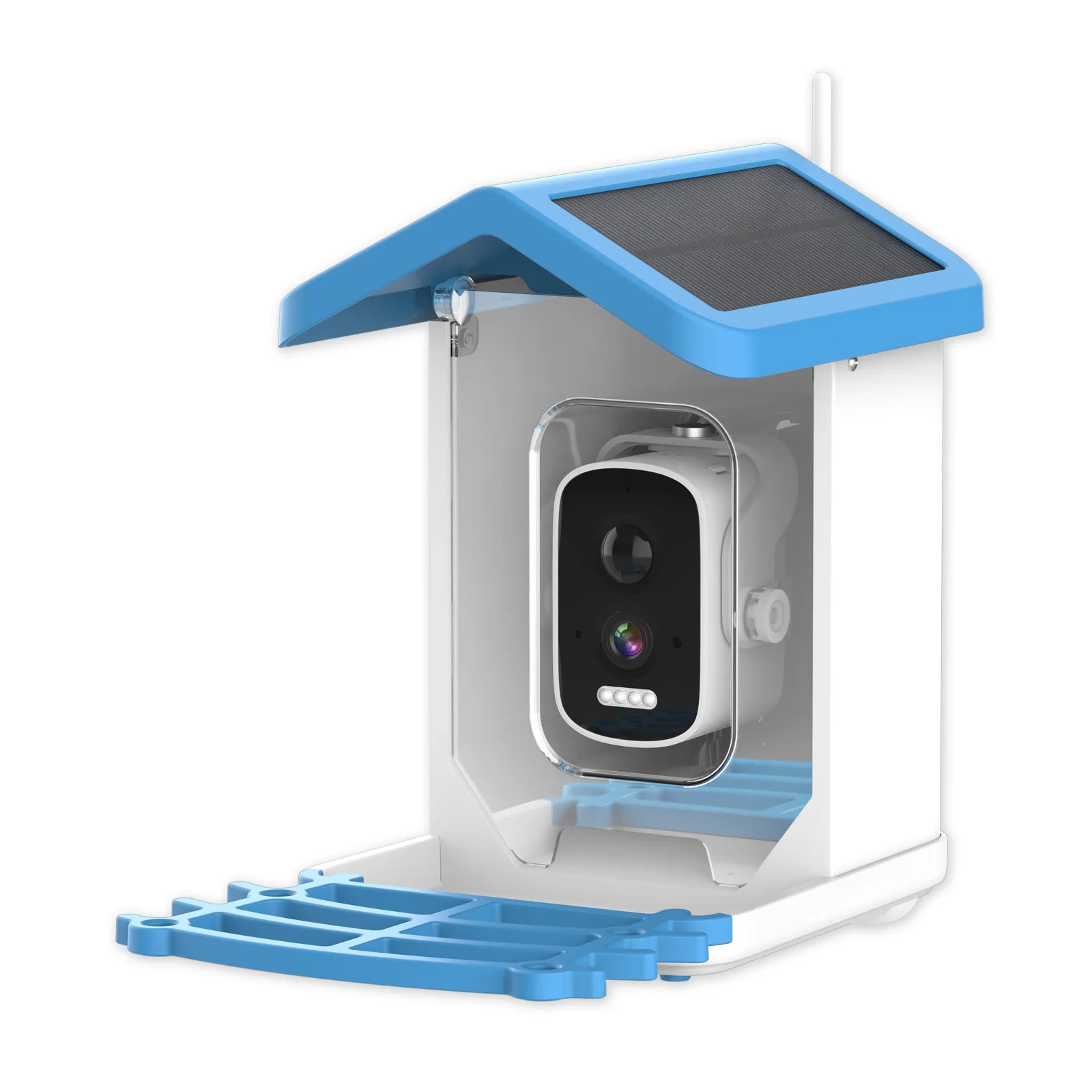
Birdwatching has gone high-tech. A solar bird feeder camera combines the charm of a classic feeder with the convenience of modern tech. You can observe birds from your phone, capture stunning close-ups, and even share them with friends. But the real magic lies in the solar power – it keeps the camera running day after day, rain or shine, with zero electricity costs.
Imagine waking up to a notification: a blue jay just landed for breakfast. You open the app, and there it is, in crisp detail. That’s the kind of experience a solar bird feeder camera delivers.
Key Features to Compare
Not all bird feeder cameras are created equal. Here’s what to consider when comparing models.
Resolution and Field of View
Look for at least 2K resolution to capture fine details like feather patterns. A wide field of view (around 90-120 degrees) ensures you see the whole feeder and not just a sliver.
Solar Efficiency and Battery Backup
The solar panel should be efficient enough to keep the camera charged even on cloudy days. A built-in battery provides backup for nighttime or overcast periods.
AI Detection and Notifications
AI-powered motion detection can distinguish between birds and other movement, reducing false alerts. Some models even identify specific bird species – a fun bonus for enthusiasts.
Connectivity and App Experience
Ensure the camera supports 2.4GHz WiFi (most do) and has a user-friendly app. Features like two-way audio, cloud storage, and time-lapse are worth considering.
Placement and Installation Tips
Getting the perfect view starts with placement. Mount the feeder within range of your WiFi router, ideally with a clear line of sight to the sky. Avoid direct afternoon sun, as it can overheat the camera. Test the angle before securing it – you want to see the perches clearly.
If you live in a region with harsh winters, consider a feeder with a removable solar panel so you can clean snow off easily. Also, ensure the camera is weatherproof (IP65 or higher) to withstand rain and dust.
Solar Power: What to Expect
Solar panels on bird feeder cameras are typically rated between 5W and 10W. On a sunny day, they can fully charge the battery in a few hours, providing power for days. But don’t expect constant operation if you live in a shaded area – you may need to recharge manually.
For a deeper dive into solar technology, check out this Wikipedia article on solar panels.
AI Bird Detection and Identification
AI has transformed birdwatching. Some solar bird feeder cameras can identify species and send you a name along with the notification. This feature relies on a database of bird images and sounds. While not perfect, it’s a great way to learn about your local birds.
Keep in mind that AI identification works best when the bird is in clear view and well-lit. For rare or juvenile birds, you might need to rely on your own detective skills.
Privacy and Security Considerations
Since these cameras connect to your home network, security is paramount. Choose a model with encrypted video transmission and two-factor authentication. Also, position the camera to avoid pointing at neighbors’ windows or public areas – respect privacy boundaries.
Regularly update the firmware to patch any vulnerabilities. And if you plan to use cloud storage, read the privacy policy carefully.
Maintenance and Longevity
A solar bird feeder camera is an outdoor gadget that needs occasional care. Clean the solar panel every few weeks to maximize efficiency. Check for bird droppings on the lens – a quick wipe with a microfiber cloth works wonders.
Most models have a lifespan of 2-3 years with proper maintenance. Invest in a sturdy mount to prevent wind damage, and bring the camera inside during extreme weather if possible.
Our Verdict: Is It Worth It?
For bird lovers, a solar bird feeder camera is a delightful addition to your backyard. It brings nature closer, offers entertainment, and even educates. The initial cost might be higher than a regular feeder, but the solar aspect saves you money in the long run.
If you’re looking for a reliable option, consider the 4MP iCsee APP Solar Power AI Bird Feeder. It offers excellent resolution, AI detection, and a user-friendly app. But regardless of the brand, choose one that fits your needs and budget.
4MP iCsee APP Solar Power AI Bird Feeder Wireless WIFI PTZ IP Dome Camera Watch Bird Camera Home Security CCTV Monitor
For a dependable choice, the 4MP iCsee APP Solar Power AI Bird Feeder combines sharp video, smart alerts, and a weatherproof design at a fair price.
Frequently asked questions
How long does it take to charge a solar bird feeder camera?
Charging time varies by model and sunlight. On average, a 5W solar panel can fully charge a 5000mAh battery in about 6-8 hours of direct sunlight.
Can a solar bird feeder camera work at night?
Yes, most have infrared night vision. The camera runs on battery at night, and the solar panel recharges it during the day.
Do I need a subscription for cloud storage?
Many cameras offer free local storage via SD card. Cloud storage often requires a subscription, but some brands give a free trial or limited free cloud clips.
Will birds be scared of the camera?
Birds generally ignore the camera once they get used to it. The camera’s small size and quiet operation don’t disturb them. Placing the feeder in a familiar spot helps.
