
Blog
Choosing the Right Garden Cart: A Practical Guide
Buying Guide
The Essential Garden Cart for Every Gardener
A garden cart is more than a convenience; it’s a back-saving partner in your outdoor chores. Whether you’re hauling soil, tools, or harvest, the right cart makes all the difference.
Why You Need a Garden Cart
Gardening involves more than planting and pruning; it’s about moving heavy bags of mulch, pots, and tools from one place to another. A garden cart reduces strain and increases efficiency, letting you focus on the joy of gardening rather than the grunt work. Without one, you’re limited to multiple trips with a wheelbarrow or risking injury from lifting too much. A good cart transforms your workflow, making it possible to transport large loads in a single trip.
Think of a garden cart as your mobile workstation. It can carry a compost bin, a watering can, and a bucket of weeds simultaneously. This efficiency is especially valuable during spring cleanup or fall planting when time is of the essence. Moreover, a well-designed cart can last for years, making it a smart investment for any gardener.
Types of Garden Carts
Not all garden carts are created equal. Understanding the different types helps you match the cart to your specific needs. The most common types include:
- Traditional wheelbarrows: Classic single-wheel design, great for small yards and maneuverability.
- Two-wheeled carts: Offer better stability and balance, ideal for heavier loads.
- Folding carts: Space-savers that can be stored easily, perfect for small gardens or sheds.
- Utility wagons: Feature four wheels and a flat bed, excellent for hauling large quantities.
Each type has its pros and cons. Wheelbarrows are nimble but can tip with uneven loads. Two-wheeled carts are more stable but wider. Folding carts are convenient but may have lower weight capacities. Utility wagons offer the most carrying capacity but can be bulky. Consider your garden size, typical loads, and storage space when choosing.
Weight Capacity and Durability
One of the most critical factors is how much weight the cart can handle. A garden cart with a higher weight capacity allows you to move heavy materials like soil or stones without worry. Look for carts with reinforced frames and sturdy wheels. The material of the cart bed matters too: steel is durable but heavy, while plastic is lightweight and rust-resistant. Wooden carts have a classic look but require maintenance.
Durability also depends on the wheels. Pneumatic tires absorb shocks and are easier to push over rough terrain, while solid tires never go flat but can be harder on uneven ground. Some carts have swivel wheels for better maneuverability, but they may reduce stability on slopes.
Key Features to Consider
When shopping for a garden cart, pay attention to these features:
- Handle design: Ergonomic handles reduce strain on your back and arms. Look for padded grips.
- Dump feature: A tipping bed makes unloading quick and easy, especially for loose materials like gravel or leaves.
- Folding mechanism: If you have limited storage, a folding cart is a smart choice.
- Tire type: Choose between pneumatic and solid based on your terrain.
- Weight: A lighter cart is easier to maneuver but may not be as sturdy.
Another consideration is the cart’s footprint. A wide cart may be harder to navigate through narrow paths or gates. Measure your typical routes to ensure the cart fits. Also, think about how the cart will be used: if you’re hauling heavy bags, a low bed makes loading easier.
Maintenance and Care
To ensure your garden cart lasts, regular maintenance is essential. After each use, clean off dirt and debris. Check the tire pressure periodically if you have pneumatic tires. Lubricate moving parts like hinges and wheels to prevent rust and squeaks. Store the cart in a dry place, ideally under cover, to protect it from the elements.
If your cart has a wooden bed, treat it with a sealant to prevent rot. For metal parts, touch up any scratches to avoid corrosion. With proper care, a quality garden cart can serve you for decades.
Safety Tips for Using a Garden Cart
Using a garden cart is generally safe, but following a few precautions can prevent injuries. Always load the cart evenly to avoid tipping. When going downhill, keep the cart in front of you and control the speed. When lifting the cart, bend your knees and use your legs, not your back. Avoid overloading beyond the manufacturer’s recommended capacity.
If you have children, ensure they don’t ride in the cart or play around it. Keep small parts and tools out of reach. Also, be mindful of your surroundings, especially on uneven ground. By respecting the cart’s limits and your own physical limits, you’ll enjoy safe and efficient gardening.
Eco-Friendly Options
For environmentally conscious gardeners, there are eco-friendly garden carts made from recycled materials or sustainably sourced wood. Some carts feature bamboo handles or recycled plastic beds. Choosing such a cart reduces your carbon footprint and supports sustainable practices. Additionally, using a cart instead of a gas-powered vehicle for short trips around the yard saves energy and reduces emissions.
Consider the entire lifecycle of the cart: how it’s made, how long it lasts, and whether it can be recycled at the end of its life. A durable, repairable cart is more eco-friendly than a cheap, disposable one. Look for brands that offer replacement parts.
Final Thoughts
Selecting the right garden cart is a personal decision based on your unique gardening style. Take the time to assess your needs, test different models if possible, and read reviews from other gardeners. A good cart is an investment that pays off in convenience and comfort. Remember, the best cart is the one that fits your body, your garden, and your tasks.
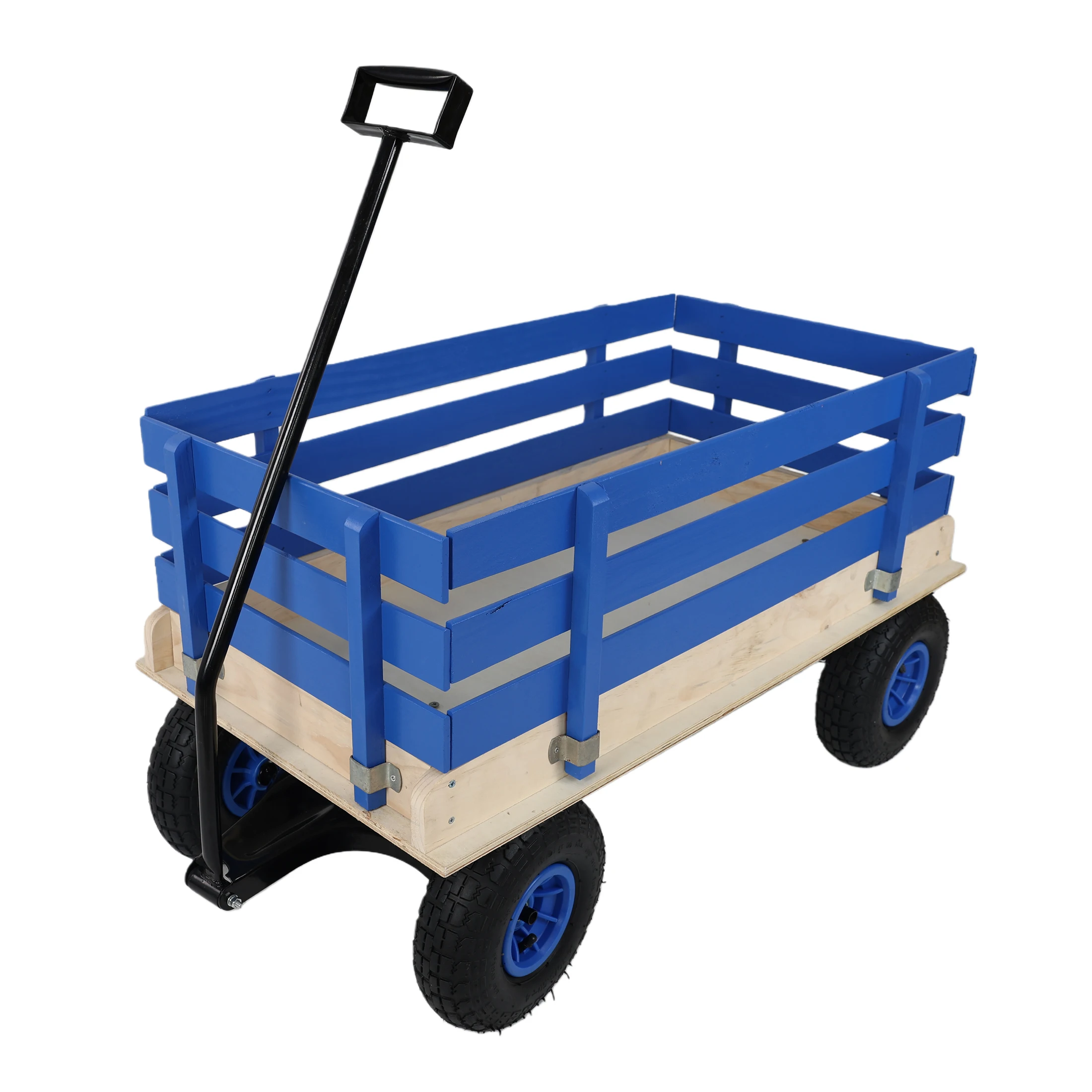
For those seeking a versatile and portable option, consider the Fresh Household Trolley, Portable Cart – a practical choice for toy transportation, garden tools, and outdoor use. It’s designed with durability and ease in mind, making it a worthy addition to your gardening arsenal.
Fresh Household Trolley ,Portable Cart for Toy Transportation, Garden Tools, and Outdoor Use
For a versatile and portable option, the Fresh Household Trolley offers a sturdy design that suits a variety of tasks beyond gardening, such as moving toys or outdoor gear.
Frequently asked questions
What is the best garden cart for small yards?
For small yards, a folding garden cart or a two-wheeled cart is ideal. They are compact, easy to store, and sufficient for light to medium loads. Look for models with a smaller footprint and swivel wheels for better maneuverability in tight spaces.
How much weight can a typical garden cart hold?
Weight capacity varies widely, from around 100 pounds for lightweight folding carts to over 300 pounds for heavy-duty utility wagons. Always check the manufacturer’s specifications and choose a cart that can handle your heaviest expected load with a margin of safety.
Can I use a garden cart on uneven terrain?
Yes, but the wheel type matters. Pneumatic tires provide better shock absorption and traction on rough ground. Solid tires may vibrate and be harder to push. Also, a cart with a lower center of gravity is more stable on slopes.
How do I maintain my garden cart?
Regularly clean the cart to remove dirt and moisture. Check tire pressure monthly if using pneumatic tires. Lubricate moving parts with a silicone spray. Store in a dry place, and treat wooden parts with sealant annually. This will extend the life of your cart.
