
Blog
Iron Wood Splitter Buying Guide: Choose the Best
Buying Guide
How to Choose an Iron Wood Splitter That Lasts
An iron wood splitter is an essential tool for anyone who heats with wood or loves outdoor projects. This guide will help you find the right one for your needs.
Understanding the Iron Wood Splitter
An iron wood splitter, often called a maul or splitting axe, is a hand tool designed to split wood along the grain. Unlike a regular axe, its wedge-shaped head and heavier weight make it more effective at forcing wood apart. The term ‘iron’ emphasizes the robust construction, typically featuring a forged steel head and a sturdy handle.
When you’re looking for an iron wood splitter, you’ll find two main types: manual and hydraulic. Manual splitters rely on your strength and technique, while hydraulic models use a pump to generate force, reducing physical effort. For most homeowners, a manual splitter is sufficient for occasional use, but if you split large volumes regularly, consider a hydraulic one.
Manual vs. Hydraulic
- Manual: Lightweight, portable, and affordable. Ideal for small to medium logs.
- Hydraulic: Powerful, efficient, but heavier and more expensive. Best for large logs and frequent use.
Understanding these differences helps you match the tool to your wood splitting tasks.
Key Features to Look For
When evaluating an iron wood splitter, pay attention to the head weight, handle material, and overall design. A heavier head (6-8 pounds) delivers more force, but it can be tiring to swing. A balanced design reduces fatigue.
- Head Material: Forged steel is durable and holds an edge well.
- Handle Material: Wood (hickory or ash) provides shock absorption, while fiberglass or steel offers durability. Choose based on your comfort.
- Blade Angle: A wider angle helps split twisted or knotty wood, while a narrower angle is better for straight grain.
Also, consider the length of the handle. A longer handle gives more leverage but is harder to control in tight spaces. Test a few to see what feels right.
Safety First: Using Your Splitter
Safety is paramount when using any iron wood splitter. Always wear protective gear, including safety glasses and gloves. Ensure your work area is clear of people and pets. Never split wood on uneven ground.
Proper technique: Place the log on a sturdy base, aim for the center, and swing with controlled force. Avoid over-swinging, which can cause injury. If the splitter gets stuck, never raise it with the log attached; use a wedge or a second tool to free it.
Regularly inspect your tool for cracks or damage. A well-maintained splitter is safer and more effective.
Maintaining Your Iron Wood Splitter
To keep your iron wood splitter in top condition, clean it after each use. Wipe the head to prevent rust, and occasionally oil the metal parts. Sharpen the blade periodically using a file or grinder, following the original bevel angle.
Store your splitter in a dry place, ideally hanging to avoid damage. If the handle is wooden, treat it with linseed oil to prevent drying and cracking.
Proper maintenance extends the life of your tool and ensures consistent performance.
Portability and Storage
If you split wood in different locations, portability matters. A manual splitter is easy to carry, but some models come with a sheath or carrying case. Hydraulic splitters are bulkier, but some have wheels for easier transport.
For storage, consider a wall mount or a rack to keep your splitter accessible and out of the way. Protect it from the elements to prevent rust and wear.
Think about where you’ll use it most—near your woodshed, at a campsite, or on a job site—and choose accordingly.
Environmental Impact and Sustainability
Using an iron wood splitter is an eco-friendly choice compared to powered splitters. It requires no fuel or electricity, reducing your carbon footprint. Plus, splitting your own wood promotes sustainable forestry when you source wood responsibly.
Look for splitters made from recycled materials or those that are repairable. A durable tool that lasts years is more sustainable than a cheap one you replace often.
For more on sustainable wood use, check out this Wikipedia article on wood.
Choosing the Right Size and Weight
The size and weight of your iron wood splitter should match your physical strength and the type of wood you split. For small logs (up to 6 inches), a lighter splitter (4-5 pounds) is easy to handle. For larger logs, a heavier splitter (6-8 pounds) is more effective.
Handle length also varies: 28-32 inches is common for outdoor use, while shorter handles offer better control for precision work. Try out different sizes to find what feels comfortable.
Remember, a splitter that’s too heavy can cause fatigue and injury, while one too light won’t do the job efficiently.
Budget Considerations
Prices for iron wood splitters range from $30 to over $200, depending on brand, material, and features. Set a budget based on how often you’ll use it. For occasional weekend projects, a mid-range model is sufficient. For professional use, invest in a high-end splitter that can withstand heavy use.
Consider the long-term value: a slightly more expensive, durable splitter will save you money in the long run. Avoid extremely cheap models that may break quickly.
Don’t forget to factor in accessories like a sharpening kit or a carrying case.
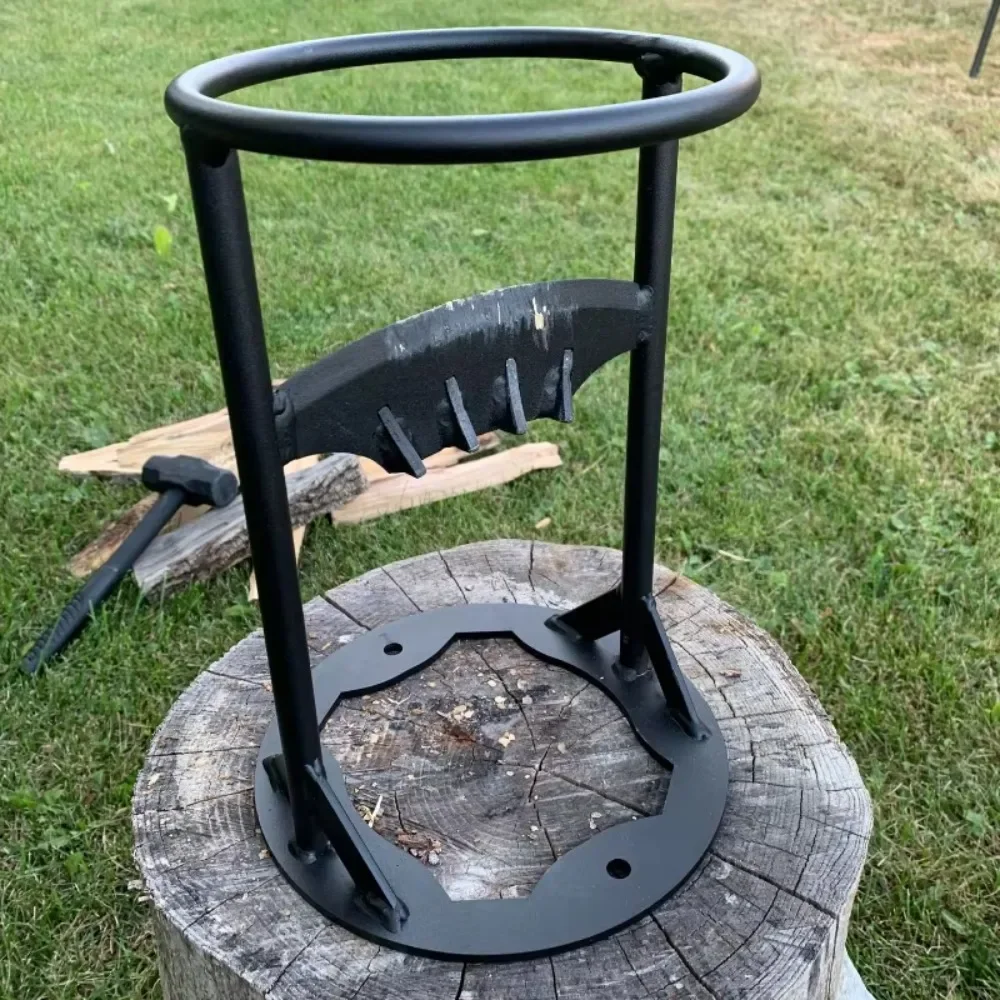
Iron Wood Splitter Metal Craft Multifunction Outdoors Strong and Durable Wood Chopper Professional Portable Garden Tools
For a reliable choice, consider the Iron Wood Splitter Metal Craft Multifunction Outdoors Strong and Durable Wood Chopper Professional Portable Garden Tools, which balances durability and ease of use.
Frequently asked questions
What is the best iron wood splitter for beginners?
For beginners, a manual splitter with a moderate weight (around 6 pounds) and a comfortable handle is ideal. Look for one with a good grip and a balanced design to ease learning.
How often should I sharpen my iron wood splitter?
Sharpen your splitter when you notice it requires more force to split wood. Typically, every few months with regular use. Use a file or grinder to maintain the edge.
Can I use an iron wood splitter for kindling?
Yes, but it may be too large. For kindling, consider a smaller hatchet. If you use a splitter, aim for smaller logs and use controlled swings.
What safety gear do I need when using an iron wood splitter?
Always wear safety glasses to protect your eyes from flying chips, and heavy-duty gloves for grip and protection. Steel-toed boots are also recommended for foot safety.
