
Blog
The Ultimate Guide to Choosing Pruning Shears
Garden Tools
Choose the Right Pruning Shears for Your Garden
Pruning shears are essential for maintaining healthy plants, and choosing the right pair can make all the difference. In this guide, we’ll walk you through the types, features, and maintenance tips to help you make an informed decision.
Understanding Pruning Shears: Types and Uses
When you start shopping for pruning shears, you’ll quickly notice two main types: bypass and anvil. Bypass shears work like scissors, with a sharp blade that passes by a thicker, unsharpened counter blade. They’re ideal for green, living stems because they make clean cuts that heal quickly. Anvil shears, on the other hand, have a single straight blade that closes onto a flat surface, like a knife on a cutting board. They’re better for dead wood or dry branches, as they crush rather than slice, which can damage live tissue. For most general gardening tasks, bypass shears are the go-to choice.
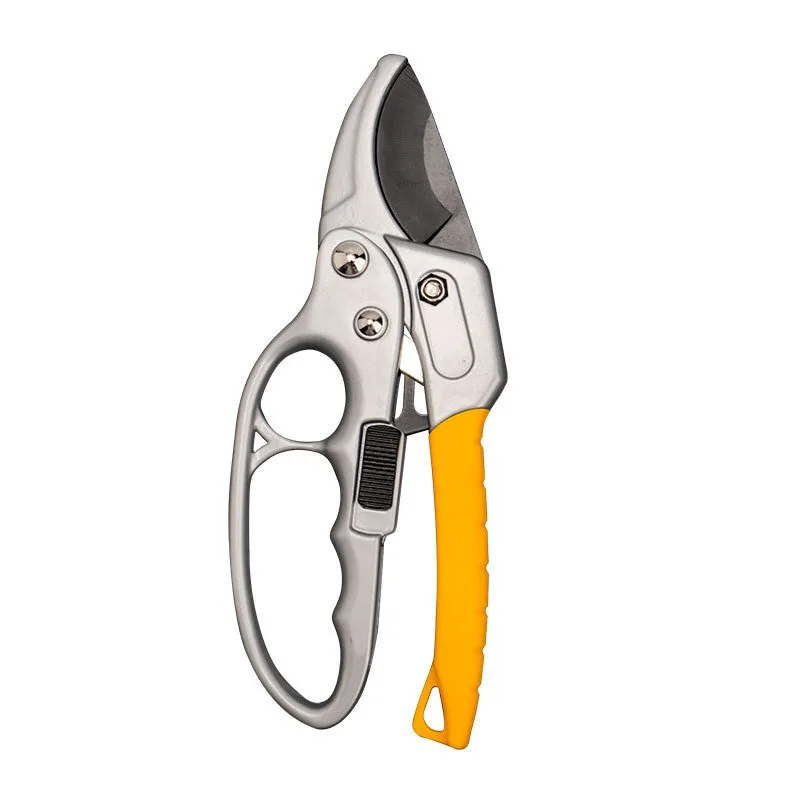
There’s also a third type called ratchet shears, which use a mechanism to cut in stages, reducing the effort needed. These are great for those with weaker hands or for cutting thicker branches. But for everyday pruning, a good pair of bypass shears will serve you well.
Key Features to Look for in Pruning Shears
Beyond the type, several features impact performance and comfort. The blade material is crucial—high-carbon steel holds an edge longer and stays sharp, while stainless steel resists rust but may not stay as sharp. Look for blades with a non-stick coating to prevent sap from sticking, which can gum up the action.
The handle design matters too. Ergonomic handles with a rotating or cushioned grip reduce hand fatigue, especially during extended pruning sessions. Some models have a shock-absorbing bumper to soften the impact when the blades close. Also, consider the cutting capacity—how thick a branch the shears can handle. Most bypass shears cut up to 3/4 inch, but some heavy-duty models can manage 1 inch or more.
Finally, think about the locking mechanism. A good lock keeps the blades closed when not in use, protecting both you and the blades. A simple thumb latch is common, but some prefer a slide lock that’s easy to operate with one hand.
How to Choose the Right Pruning Shears for Your Needs
Start by assessing your garden. If you have mostly soft-stemmed plants like flowers and young shrubs, a standard bypass shear will be perfect. For fruit trees with older, harder wood, you might need a heavier-duty model with a larger cutting capacity. If you have arthritis or limited hand strength, look for ergonomic designs with a ratchet mechanism or a spring-loaded handle that assists the cutting motion.
Think about the frequency of use. For occasional trimming, a basic pair is fine, but for regular, heavy pruning, invest in a higher-quality tool with replaceable blades. Also, consider the size of your hands—some shears are designed for smaller or larger grips. Try holding them if possible to ensure they feel comfortable and balanced.
Maintaining Your Pruning Shears for Longevity
To keep your pruning shears performing at their best, clean them after each use. Wipe off sap and debris with a cloth, and use a little rubbing alcohol to disinfect if you’ve been cutting diseased plants. Dry them thoroughly to prevent rust. Regularly sharpen the blade with a sharpening stone or file, following the original bevel angle. Lubricate the pivot point with a drop of oil to keep the action smooth. Store them in a dry place, and consider hanging them to avoid accidental damage. Proper maintenance not only extends the life of your shears but also ensures clean cuts that are better for your plants.
Safety Tips When Using Pruning Shears
Pruning shears are sharp tools, so safety is paramount. Always cut away from your body and keep your fingers clear of the blades. Wear gloves to protect your hands from thorns and blisters. When cutting thick branches, use a saw instead of forcing the shears, as this can damage the tool or cause it to slip. Keep your shears out of reach of children, and never carry them with the blades open. By following these simple precautions, you can avoid accidents and enjoy your gardening tasks safely.
Top Recommendations: Finding Quality Pruning Shears
While there are many pruning shears on the market, quality varies. Look for well-known brands with good reputations, but don’t overlook smaller manufacturers that offer innovative designs. Read reviews from other gardeners to gauge real-world performance. One option that stands out is the Strong Pruning Shears Fruit Tree Fruit Picking and Flower Pruning Shears Home Gardening Pruning Flower Shears Garden Tools, which offers a balanced design for various tasks.
When comparing models, consider the warranty and customer support. A good warranty indicates the manufacturer’s confidence in their product. Also, check if replacement parts are available, as this can extend the life of your tool significantly.
Conclusion: Invest in the Right Pruning Shears
Choosing the right pruning shears is a personal decision that depends on your specific gardening needs. By understanding the types, features, and maintenance requirements, you can make an informed choice that will serve you for years. Remember, a good pair of pruning shears is an investment in your garden’s health and your enjoyment of gardening. So take your time, do your research, and pick the shears that feel like an extension of your hand.
For more detailed information on pruning techniques and tool selection, you can refer to Wikipedia’s article on pruning, which offers a comprehensive overview.
Strong Pruning Shears Fruit Tree Fruit Picking and Flower Pruning Shears Home Gardening Pruning Flower Shears Garden Tools
For a reliable and versatile option, consider the Strong Pruning Shears Fruit Tree Fruit Picking and Flower Pruning Shears Home Gardening Pruning Flower Shears Garden Tools, which offers a comfortable grip and durable blades for various pruning tasks.
Frequently asked questions
What is the difference between bypass and anvil pruning shears?
Bypass shears have two blades that pass by each other like scissors, making clean cuts on live stems. Anvil shears have one blade that closes onto a flat surface, which is better for dead wood but can crush live tissue.
How do I sharpen pruning shears?
Use a sharpening stone or file, following the original bevel angle of the blade. For bypass shears, sharpen only the beveled side of the cutting blade. For anvil shears, sharpen the single blade at the same angle. After sharpening, oil the blades to prevent rust.
Can I use pruning shears to cut thick branches?
Most pruning shears are designed for branches up to about 3/4 inch thick. For thicker branches, use loppers or a pruning saw to avoid damaging the shears and to ensure a clean cut.
How do I clean pruning shears after use?
Wipe off sap and debris with a cloth, then disinfect with rubbing alcohol if you’ve been cutting diseased plants. Dry thoroughly to prevent rust, and apply a light oil to the blades and pivot point to keep them in good condition.
