
Blog
The Ultimate Guide to Choosing a Solid Wood Writing Desk
Buying Guide
Find Your Perfect Solid Wood Writing Desk
A solid wood writing desk is more than just a piece of furniture; it’s an investment in your daily comfort and productivity. In this guide, we’ll walk you through everything you need to know to choose the right one for your home or office.
Why Choose a Solid Wood Writing Desk?
When you’re looking for a writing desk, the material matters more than you might think. A solid wood writing desk offers unmatched durability and timeless beauty that can last for generations. Unlike particleboard or veneer, solid wood can be sanded and refinished, giving it a longer lifespan and a unique character that improves with age.
Additionally, wood is a natural insulator, which can help reduce static electricity and create a warmer, more inviting atmosphere in your workspace. The natural grain patterns mean each desk is one-of-a-kind, adding a touch of organic elegance to any room.
Key Factors to Consider Before Buying
Before you make a purchase, it’s essential to evaluate your needs and the space where the desk will live. Here are some critical factors:
- Size: Measure your room and consider the desk’s length, width, and height. Ensure there’s enough space for your chair and legroom.
- Shape: Rectangular desks are classic, while L-shaped or corner desks maximize space in smaller rooms.
- Storage: Think about what you need to store—books, files, or just a laptop. Desks with drawers or shelves can keep your workspace clutter-free.
- Mobility: If you like to rearrange your space, consider a desk with casters or a lighter weight design.
Types of Wood Used in Solid Wood Desks
Different wood species offer different benefits in terms of appearance, hardness, and cost. Here’s a breakdown of the most common types:
Oak
Oak is a popular choice for its strength and prominent grain. It takes stains well, making it versatile for various finishes. It’s a bit heavier, so it’s very stable.
Walnut
Walnut is prized for its rich, dark color and straight grain. It’s slightly softer than oak but still durable, and it exudes a sense of luxury.
Maple
Maple has a subtle, even grain and a light, creamy color. It’s very hard and resistant to scratches, making it ideal for heavy use.
Cherry
Cherry wood darkens beautifully over time, developing a rich patina. It’s moderately hard and has a smooth, fine grain.
For more on wood types, you can check out this resource on wood.
Size and Space Planning
Getting the size right is crucial. A desk that’s too large can overwhelm a room, while one that’s too small may not meet your needs. Here are some tips:
- Measure your room: Leave at least 30 inches behind the desk for a chair to slide out comfortably.
- Consider the desk’s purpose: If you’re a writer or use a laptop, a smaller desk may suffice. If you need to spread out papers or use multiple monitors, go larger.
- Think about future needs: Choose a desk that offers a little extra space than you currently need.
Style and Finish: Matching Your Decor
Your desk should complement your existing decor. Solid wood desks come in a range of styles, from rustic farmhouse to sleek modern. The finish also affects the look:
- Natural finish: Showcases the wood’s natural color and grain.
- Stained: Adds color while still allowing the grain to show through.
- Painted: Offers a uniform color, hiding the grain but providing a modern look.
When choosing a finish, consider the room’s lighting and color palette. A dark walnut desk can anchor a light room, while a light maple desk can open up a dark space.
Durability and Maintenance
Solid wood is inherently sturdy, but the construction quality matters. Look for desks with dovetail joints, solid wood drawer boxes, and a thick tabletop. Avoid desks that use metal brackets or glue alone for support.
Maintenance is straightforward: dust regularly with a soft cloth, use coasters for drinks, and wipe up spills immediately. Periodically, you can apply a wood conditioner to keep the finish looking fresh.
Budget and Value
Solid wood desks are an investment. Prices vary based on wood type, craftsmanship, and features. While it’s tempting to go for the cheapest option, remember that a well-made desk will last for decades, making it a better value in the long run. Set a budget that reflects the quality you want, and be prepared to spend a bit more for a desk that will serve you well.
Final Thoughts
Choosing the right solid wood writing desk is a personal decision. Take your time, do your research, and consider how the desk will function in your daily life. Whether you’re writing the next great novel or just paying bills, a beautiful, functional desk can make all the difference.
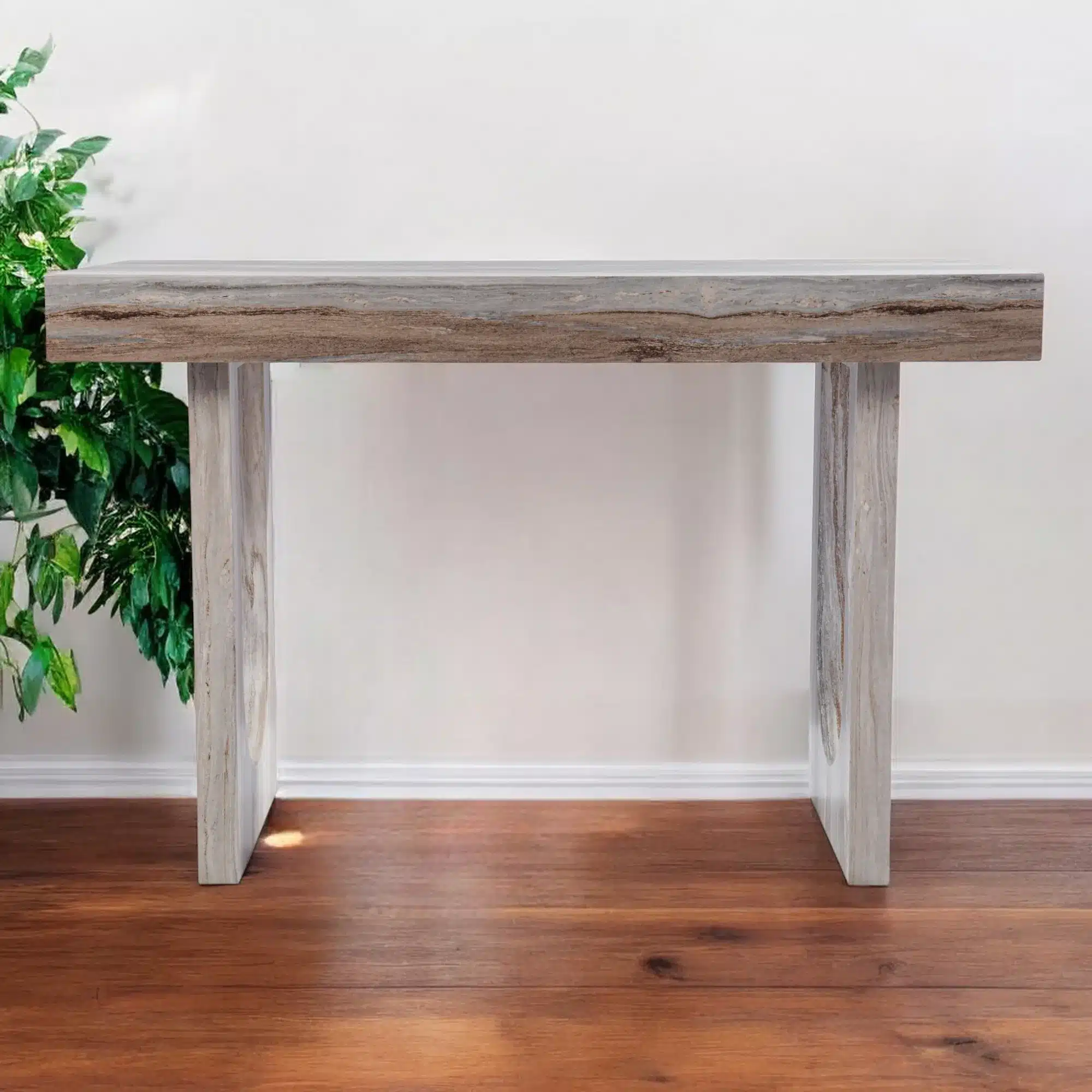
45 Brown Solid Wood Writing Desk Luxury Modern Design with Foldable Feature for Office Bedroom School Use
If you’re looking for a versatile option, the 45 Brown Solid Wood Writing Desk Luxury Modern Design with Foldable Feature for Office Bedroom School Use offers a perfect blend of style and practicality.
Frequently asked questions
How do I clean and maintain a solid wood writing desk?
To keep your desk in top condition, dust it regularly with a soft, dry cloth. For spills, wipe immediately with a slightly damp cloth and dry thoroughly. Avoid harsh chemicals or abrasive cleaners. Periodically, apply a wood polish or conditioner to maintain the finish and prevent drying.
What is the best wood type for a writing desk?
The best wood depends on your needs. Oak is strong and durable, walnut is beautiful and rich, maple is scratch-resistant, and cherry darkens elegantly over time. Consider your budget, style preferences, and how much wear the desk will see.
How much space do I need for a solid wood writing desk?
At minimum, you should have a surface that is 48 inches wide and 24 inches deep for a comfortable writing area. Also, allow at least 30 inches of clearance behind the desk for a chair. Measure your room to ensure the desk fits without making the space feel cramped.
Are solid wood writing desks worth the investment?
Yes, solid wood desks are a worthwhile investment because they are durable, repairable, and can last for decades with proper care. They also add warmth and character to any room, and can be refinished if needed, making them a sustainable choice compared to cheaper alternatives.
