
Blog
How to Choose a Solid Wood Writing Desk
Buying Guide
Your Guide to a Solid Wood Writing Desk
A solid wood writing desk is more than just a piece of furniture; it’s an investment in your daily productivity and the aesthetic of your workspace. This guide will walk you through everything you need to consider before making a purchase.
Why Choose a Solid Wood Writing Desk?
When it comes to selecting a desk for your home office or study, the material matters. Solid wood offers durability, timeless beauty, and a unique character that veneers or particleboards simply cannot replicate. Unlike cheaper alternatives, a solid wood writing desk can last for decades, becoming a cherished piece that ages gracefully.
Beyond longevity, solid wood brings warmth and natural texture into a room. It can complement a variety of interior styles, from rustic farmhouse to sleek modern. Moreover, solid wood is a sustainable choice when sourced responsibly, as it’s a renewable resource that can be recycled or repurposed at the end of its life.
Key Factors to Consider Before Buying
Before you start shopping, it’s essential to evaluate your needs and space. Here are the critical factors to keep in mind:
- Space: Measure your room carefully. Consider the desk’s footprint and ensure there’s enough clearance for chairs and movement. A good rule of thumb is to leave at least 30 inches behind the desk for a chair.
- Storage: Think about what you’ll be storing. Do you need drawers for paperwork, or is a simple surface enough? Desks with drawers can help keep your workspace tidy, but they also add bulk.
- Style: Choose a design that complements your existing furniture and decor. Solid wood desks come in traditional, contemporary, and rustic styles, so there’s something for every taste.
- Budget: Solid wood desks are an investment. Set a realistic budget, and remember that higher-quality woods like oak or walnut will cost more than pine or rubberwood.
Types of Wood: Which is Best for You?
The type of wood significantly affects the desk’s appearance, durability, and price. Here’s a quick overview of common choices:
- Oak: Known for its strength and prominent grain, oak is a classic choice that can withstand heavy use. It takes stains well, so it’s available in various finishes.
- Walnut: With its rich, dark color and straight grain, walnut adds elegance to any room. It’s more expensive but is highly durable.
- Cherry: Cherry wood darkens beautifully with age, developing a warm, reddish patina. It’s a softer wood, so it’s best for lighter use.
- Maple: Light and smooth, maple is a great option for a clean, modern look. It’s hard and resistant to scratches.
- Pine: A budget-friendly option that’s soft and can dent easily, but it has a charming, rustic appeal when finished with knots and grain.
If you’re interested in the broader context of wood types and sustainability, you might find this article on wood informative.
Size and Dimensions: Finding the Right Fit
The size of your desk should be based on how you intend to use it. If you primarily work on a laptop, a smaller desk might suffice. However, if you need space for a monitor, keyboard, and writing materials, you’ll want a larger surface.
- Length: Standard desks range from 40 to 60 inches. Measure your equipment and add extra space for comfortable movement.
- Depth: A depth of 24 to 30 inches is typical. Ensure you have enough depth to accommodate your monitor and still have room for writing.
- Height: Standard desk height is around 29 to 30 inches, which suits most adults. If you’re taller or shorter, consider an adjustable chair or a custom-height desk.
Don’t forget to account for drawers and other features that may affect the overall dimensions.
Features and Functionality: Drawers, Shelves, and More
A solid wood writing desk can come with various features to enhance your productivity. Think about what would benefit your daily routine:
- Drawers: Ideal for storing stationery, documents, and other essentials. Look for drawers with smooth glides and sturdy construction.
- Shelves: Some desks include shelves for books or decorative items, adding both storage and display space.
- Cable management: If you use electronics, consider a desk with built-in cable holes or trays to keep cords organized.
- Finish: A good finish not only enhances the wood’s beauty but also protects it from stains and moisture. Look for desks with a durable, non-toxic finish.
Remember that more features often mean a higher price, so prioritize what you truly need.
Style and Aesthetics: Matching Your Decor
Your desk should not only be functional but also visually pleasing. Solid wood desks come in a range of styles:
- Traditional: These desks often have ornate details, carved legs, and a classic, timeless look. They work well in formal settings.
- Modern: Clean lines, minimal ornamentation, and sometimes a mix of materials like wood and metal. These desks fit contemporary spaces.
- Rustic: Featuring natural finishes, rough edges, and a sense of warmth, rustic desks are perfect for cozy, farmhouse-style rooms.
Consider the color of the wood—whether you prefer the lightness of maple or the deep tones of walnut—and how it will coordinate with your floor and other furniture.
Caring for Your Solid Wood Writing Desk
To keep your desk looking its best for years to come, follow these simple care tips:
- Dust regularly: Use a soft, dry cloth to remove dust and prevent scratches.
- Clean spills immediately: Wipe up any liquids right away to avoid water stains.
- Use coasters and mats: Protect the surface from hot mugs and writing pressure with coasters and desk pads.
- Polish occasionally: Apply a high-quality furniture polish or wax every few months to maintain the finish.
- Avoid direct sunlight: Prolonged exposure can fade the wood’s color, so position your desk away from harsh sunlight.
With proper care, your solid wood desk will become a long-lasting companion in your daily work.
Where to Find Your Ideal Desk
When you’re ready to purchase, consider both online and local furniture stores. Online retailers often offer a wider selection and competitive prices, but you can’t see the piece in person. Local stores allow you to inspect the craftsmanship and feel the wood’s quality.
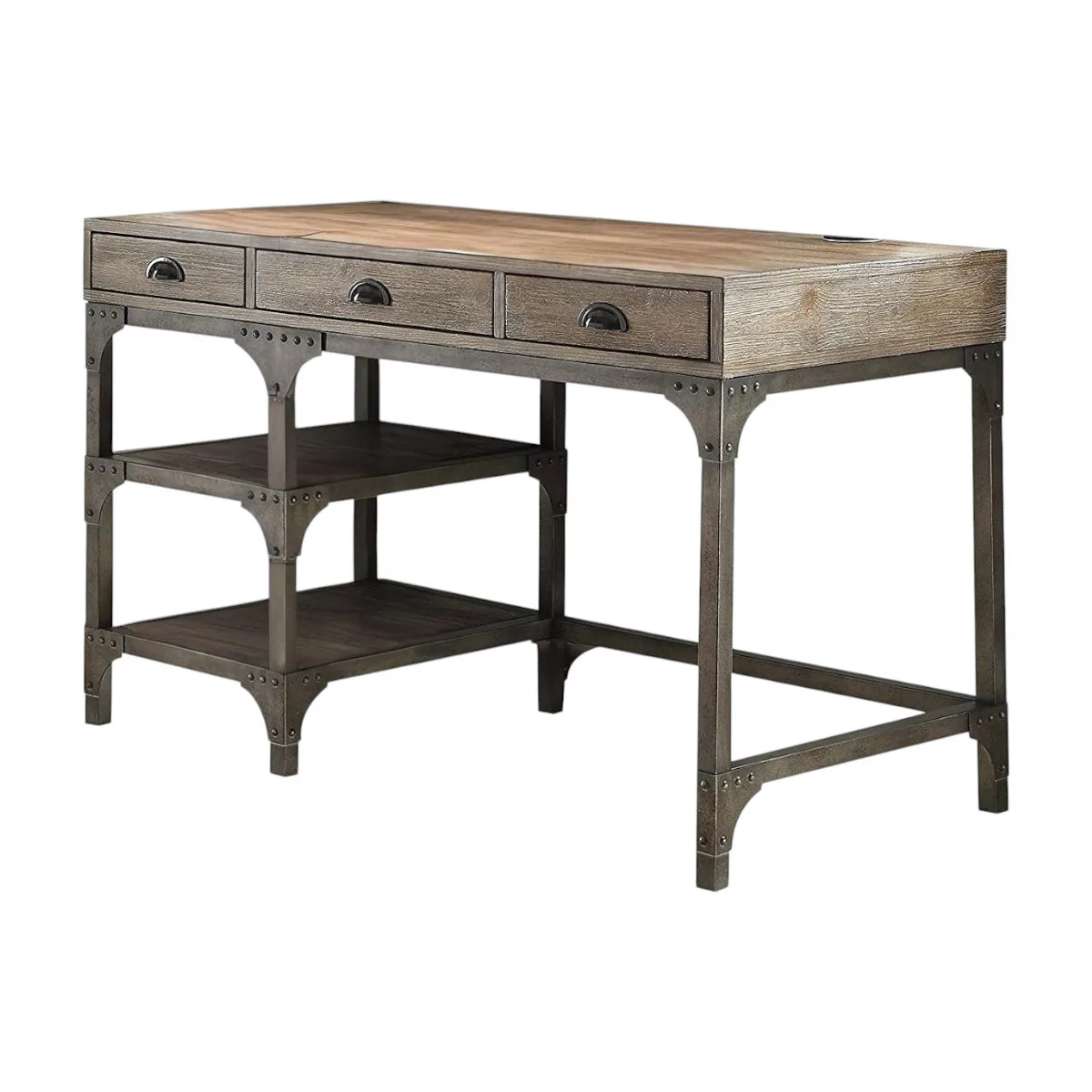
If you’re looking for a piece that combines traditional charm with practical storage, the 47″ Solid Wood Traditional Antique Writing Desk with Three Drawers in Natural and Gray is a noteworthy option. Its classic design and sturdy construction make it a versatile addition to any office or bedroom.
Remember to read reviews, check return policies, and verify the product’s dimensions before making a final decision.
47″ Solid Wood Traditional Antique Writing Desk with Three Drawers in Natural and Gray for Office Building or Bedroom Use
Consider the 47″ Solid Wood Traditional Antique Writing Desk with Three Drawers in Natural and Gray for a timeless piece that blends functionality with classic style.
Frequently asked questions
What is the best type of wood for a writing desk?
The best wood depends on your budget and style. Oak and maple are durable and affordable, while walnut and cherry are more expensive but offer richer colors. Pine is budget-friendly but softer.
How much should I spend on a solid wood desk?
Prices vary widely based on wood type, size, and craftsmanship. Expect to pay anywhere from $200 for a simple pine desk to over $1000 for a large walnut desk with drawers.
How do I know if a desk is made of solid wood?
Check the product description or ask the seller. Solid wood will have visible grain and may have slight variations. You can also look at the edges and underside—veneer will show a thin layer over particleboard.
Can I use a solid wood desk for a computer setup?
Absolutely. Just ensure the desk is deep enough for your monitor and has proper cable management. Solid wood is sturdy enough to support monitors and other equipment.
