
Blog
Choosing the Best Stainless Steel Chef Knife for Your Kitchen
Knife Guide
Find Your Ideal Stainless Steel Chef Knife
A stainless steel chef knife is the backbone of any kitchen, offering durability and precision for daily tasks. Whether you’re a home cook or a professional, choosing the right one can transform your cooking experience.
Why a Stainless Steel Chef Knife Matters
A stainless steel chef knife is essential for efficient meal prep. Unlike carbon steel, stainless steel resists rust and stains, requiring less maintenance while retaining a sharp edge. This makes it a reliable choice for both beginners and seasoned cooks.
Key Features to Look For
When shopping for a stainless steel chef knife, consider the blade material, handle ergonomics, and weight. High-carbon stainless steel offers a good balance of hardness and corrosion resistance. Look for a full tang (blade extending through the handle) for better balance.
- Blade Hardness: Measured on the Rockwell scale, aim for 56-58 HRC for easy sharpening and edge retention.
- Edge Angle: A 15-20 degree angle per side is standard for chef knives.
- Handle Material: Wood, plastic, or metal – choose one that feels comfortable and non-slip when wet.
Blade Shapes and Their Uses
While the classic chef knife has a curved blade for rocking cuts, some prefer a flatter profile for chopping. The chef knife typically ranges from 6 to 10 inches. A stainless steel chef knife with a Granton edge (hollow ground) reduces friction for slicing meats and cheese.
Common Blade Types
- German-style: Heavier, with a curved belly; great for rocking.
- French-style: Lighter, with a straighter edge; precise slicing.
- Japanese-style: Thinner, harder steel; excellent for delicate cuts.
Handle Comfort and Grip
Your stainless steel chef knife should feel like an extension of your hand. Test the handle for a secure grip – materials like polypropylene or textured wood reduce slipping. A bolster (metal collar) adds safety by preventing your hand from sliding onto the blade.
Maintenance Tips for Longevity
To keep your stainless steel chef knife in top condition, hand wash with mild soap and dry immediately. Avoid dishwashers, as harsh detergents and heat can damage the handle. Hone regularly with a steel rod and sharpen occasionally with a whetstone or professional service.
- Store in a knife block, magnetic strip, or blade guard.
- Use a cutting board (wood or plastic) to protect the edge.
- Never use on glass or stone surfaces.
Budget and Value
You don’t need to spend a fortune for a quality stainless steel chef knife. Mid-range options offer excellent performance for home cooks. For professional use, invest in a trusted brand with good warranty. Remember, a well-maintained knife can last decades.
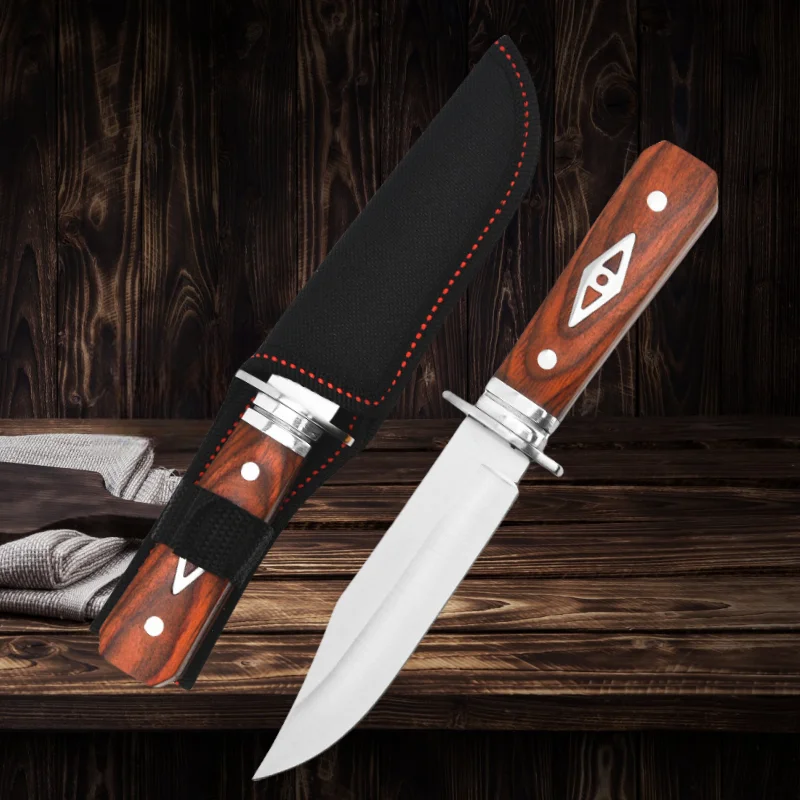
Boning Knife Professional Kitchen Knives Stainless Steel Meat Cleaver Chef Knife Cooking Knives Fruit Knife Kitchen Supplies
For a versatile and reliable addition to your kitchen, consider the Boning Knife Professional Kitchen Knives Stainless Steel Meat Cleaver Chef Knife Cooking Knives Fruit Knife Kitchen Supplies, which offers a comfortable grip and sharp edge for everyday tasks.
Frequently asked questions
What is the best stainless steel chef knife for beginners?
A medium-weight knife with a 8-inch blade and comfortable handle is ideal. Look for high-carbon stainless steel for easy sharpening.
How often should I sharpen my stainless steel chef knife?
Hone weekly with a steel rod, and sharpen every 2-3 months depending on use. Professional sharpening once a year helps maintain the edge.
Can I use a stainless steel chef knife on a glass cutting board?
No, glass boards dull knives quickly. Use wood or plastic boards to preserve the blade.
What is the difference between a chef knife and a santoku?
A chef knife has a curved blade for rocking, while a santoku has a straighter edge and is lighter, suitable for push cuts.
