
Blog
Tabletop Fire Pit Buying Guide: Warmth & Style
Buying Guide
Your Tabletop Fire Pit Buying Guide for Cozy Evenings
A tabletop fire pit brings warmth and a focal point to any gathering, but choosing the right one requires a bit of know-how. This guide will walk you through the key considerations to ensure you pick a model that fits your space, lifestyle, and safety needs.
Why Choose a Tabletop Fire Pit?
Tabletop fire pits have surged in popularity because they offer the ambiance of a full-sized fire without the need for a large backyard or a chimney. They are perfect for small balconies, patios, or even indoor living rooms. Unlike traditional wood-burning pits, many tabletop versions use clean-burning fuels like ethanol, which means no smoke, no ash, and minimal odor. This makes them an excellent choice for apartments or homes where open flames might otherwise be restricted.
Beyond practicality, a tabletop fire pit serves as a stylish centerpiece. Whether you’re hosting a dinner party or enjoying a quiet evening alone, the gentle flame creates a cozy atmosphere that encourages relaxation and conversation. They come in various materials, from concrete to ceramic, and can complement any décor, from modern minimalism to rustic charm.
Fuel Types: Ethanol, Gel, and Propane
The fuel you choose significantly affects your experience. Here’s a breakdown of the most common options:
- Ethanol: This is a popular choice for tabletop fire pits because it burns cleanly and produces no smoke or soot. It’s also renewable, as it’s typically made from plant materials. Ethanol fire pits are often portable and don’t require a vent, making them ideal for indoor use. However, they do produce heat, so always follow safety guidelines.
- Gel: Gel fuel is a thickened alcohol that comes in cans. It’s easy to use and also burns clean, but it may produce a small amount of odor. Gel fires are typically less intense than ethanol flames, so they are more for ambiance than substantial heat.
- Propane: Some tabletop fire pits are designed for small propane canisters. They offer the convenience of instant on/off and adjustable flame height. However, propane can be heavier and less aesthetically pleasing, as the tank may need to be hidden. Always check if your local regulations allow propane use in certain settings.
When selecting a fuel type, consider your primary use. If you want a smoke-free experience indoors, ethanol is a top choice. For easy control, propane might be preferable. For a simple, no-fuss option, gel is worth considering.
Materials and Durability
Tabletop fire pits are crafted from various materials, each with its own benefits and aesthetic appeal.
- Concrete: A concrete tabletop fire pit is sturdy and retains heat well. It often has a modern, industrial look that fits well in contemporary settings. Concrete can be heavy, so consider portability if you plan to move it frequently.
- Ceramic: Ceramic fire pits are lightweight and come in many colors and glazes. They are less heat-retentive but add a decorative touch. Ensure the ceramic is rated for high temperatures to prevent cracking.
- Metal: Steel, aluminum, or iron fire pits are durable and often feature intricate designs. They heat up quickly and cool down fast, which can be a safety advantage. Metal may rust if not properly coated, so look for powder-coated or stainless options.
Think about where you’ll place the fire pit. If it’s on a wooden table, you’ll need a heat-resistant pad. If it’s outdoors, ensure the material can withstand weather conditions. Concrete and metal are generally more weather-resistant than ceramic, but always check the manufacturer’s recommendations.
Safety Considerations for Indoor and Outdoor Use
Safety is paramount when dealing with any open flame. Here are essential tips to keep in mind:
- Placement: Always place your tabletop fire pit on a stable, heat-resistant surface. Keep it at least 3 feet away from flammable materials like curtains, paper, or furniture.
- Ventilation: If using indoors, ensure the room is well-ventilated. Ethanol and gel fuels produce carbon dioxide and water vapor, but proper airflow is still necessary to avoid stuffiness.
- Never leave unattended: Always extinguish the flame before leaving the room or going to sleep. Use the provided snuffer or a metal lid to put out the fire.
- Children and pets: Keep the fire pit out of reach of children and pets. The exterior can become hot, so consider a model with a protective rim or stand.
- Fuel handling: Use only the recommended fuel type. Never add fuel to a lit or hot fire pit. Wait until it has completely cooled.
By following these guidelines, you can enjoy the warmth and beauty of a tabletop fire pit with peace of mind.
Indoor vs. Outdoor: What to Consider
While many tabletop fire pits are versatile, some are better suited for specific environments. If you plan to use it indoors, look for models that are specifically labeled for indoor use. Ethanol and gel fire pits are typically safe, but always check for certifications like UL or CE. For outdoor use, ensure the fire pit can withstand wind and moisture. Some models come with wind guards or are made of weather-resistant materials.
Also, consider the size of your space. A small tabletop fire pit might get lost on a large patio, while a larger one could overwhelm a coffee table. Measure your available space and imagine how the fire pit will fit into your seating arrangement. Remember, the flame itself adds visual height, so account for that as well.
Size, Portability, and Heat Output
Tabletop fire pits come in various diameters, typically ranging from 6 to 24 inches. Smaller models are great for intimate settings or as accent pieces, while larger ones can serve as the main heat source for a small group. Consider the heat output, usually measured in BTUs (British Thermal Units). A higher BTU means more heat, but it also means more fuel consumption. For a tabletop fire pit, a moderate BTU is usually sufficient for ambiance and a little warmth.
Portability is another factor. If you plan to take your fire pit camping or to the beach, look for lightweight materials like ceramic or thin metal. Some models come with carrying handles or are compact enough to fit in a tote. However, remember that smaller fire pits may have a smaller flame and less heat output.
Style and Aesthetics: Matching Your Decor
Your tabletop fire pit should complement your existing style. Here are some popular design directions:
- Modern Minimalist: Clean lines, geometric shapes, and neutral colors like white, black, or gray. Concrete or matte metal finishes work well.
- Rustic Charm: Natural materials like wood (for the base) and stone or copper accents. A fire bowl with a hammered texture adds warmth.
- Bohemian Eclectic: Colorful tiles, patterned ceramics, or mixed metals. Look for unique shapes like stars or leaves.
Remember that the fire pit will be a focal point, so choose a design that you love and that fits your daily environment. You can also use it as a conversation starter.
Maintenance and Longevity
Caring for your tabletop fire pit ensures it lasts for years. Here are some tips:
- Cleaning: After each use, wait for it to cool completely, then wipe the surface with a soft cloth. For stubborn stains, use a mild soap and water. Avoid abrasive cleaners that could scratch the finish.
- Fuel storage: Store ethanol or gel fuel in a cool, dry place away from direct sunlight and heat sources. Keep the caps tightly sealed.
- Covering: If you keep your fire pit outdoors, use a cover to protect it from rain, snow, and UV rays. This is especially important for metal and concrete models.
- Inspection: Periodically check for cracks, rust, or loose parts. If you notice any damage, stop using it and contact the manufacturer.
With minimal maintenance, your tabletop fire pit will remain a cherished part of your home for many seasons.
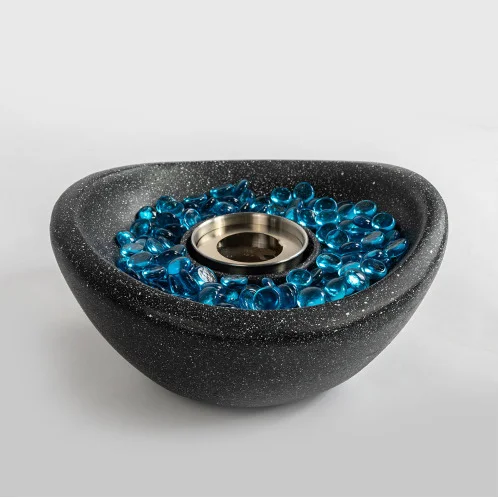
Black Tabletop Fire Pit Portable Indoor/Outdoor Concrete Mini Fire Bowl Ethanol Fireplace Smokeless Personal FCJ Fire Pit
For a durable, stylish, and truly smokeless option, consider the Black Tabletop Fire Pit Portable Indoor/Outdoor Concrete Mini Fire Bowl Ethanol Fireplace Smokeless Personal FCJ Fire Pit, which blends modern design with practical functionality.
Frequently asked questions
Can I use a tabletop fire pit indoors?
Yes, many tabletop fire pits are designed for indoor use, especially those that burn ethanol or gel fuel. They produce no smoke and minimal odor. However, always ensure the room is well-ventilated and follow the manufacturer’s guidelines.
How long does a tabletop fire pit burn on one fill?
The burn time varies by model and fuel capacity. On average, a tabletop fire pit can burn for 45 minutes to 3 hours per fill. Check the product specifications for exact details.
Is a tabletop fire pit safe on a wooden table?
It can be, but you should always use a heat-resistant barrier like a ceramic tile or metal tray between the fire pit and the wooden surface. Additionally, keep flammable items away and never leave the fire unattended.
What is the best fuel for a smokeless tabletop fire pit?
Ethanol is the most popular choice for smokeless operation. It burns clean, producing only carbon dioxide and water vapor. Gel fuel is also smokeless but may have a slight odor. Always use the fuel type recommended by the manufacturer.
