
Blog
The Ultimate Fire Pit Buying Guide for Cozy Outdoor Evenings
Outdoor Living
Fire Pit Buying Guide: Warm Up Your Backyard
A fire pit is more than a source of heat; it’s the heart of outdoor gatherings. This guide will help you find the right one for your space.
Why a Fire Pit is a Worthy Investment
There’s something magical about gathering around a crackling fire. A fire pit extends your outdoor living season, creates a focal point for socializing, and even adds value to your home. Studies show that outdoor fire features are among the most desired backyard amenities. But with so many options, choosing the right one can be overwhelming. This guide breaks down everything you need to consider.
Key Factors to Consider Before Buying
Before you start shopping, think about your space, needs, and local regulations. Here are the critical factors:
- Space: Measure your patio or yard. A fire pit needs at least 3 feet of clearance on all sides.
- Fuel Type: Wood-burning offers authenticity; gas or propane provides convenience.
- Local Codes: Check if open flames are allowed in your area.
- Budget: Prices range from $50 to over $1000, so set a realistic range.
Wood-Burning vs. Gas Fire Pits
The classic wood-burning fire pit delivers that primal experience—the smell, the crackle, and the dancing flames. However, it requires a steady supply of wood and regular ash cleanup. Gas fire pits, on the other hand, ignite at the flip of a switch and offer precise flame control. They’re safer in windy conditions and produce no smoke. Think about what matters more: authenticity or convenience.
Consider a Convertible Option
Some fire pits allow you to switch between wood and gas, giving you the best of both worlds. These are more versatile but often come at a higher price point.
Materials and Durability
The material of your fire pit determines its longevity and maintenance. Common choices include:
- Steel: Durable and retains heat well. Corten steel develops a protective rust layer.
- Cast Iron: Classic look but heavy and can crack if exposed to moisture.
- Stone or Concrete: Aesthetically pleasing but may require sealing.
- Copper: Develops a beautiful patina over time but is pricey.
For a balance of durability and affordability, galvanized steel is an excellent option. It resists rust and withstands high temperatures.
Safety First: Placement and Precautions
Safety should never be an afterthought. Place your fire pit on a non-flammable surface like stone, brick, or concrete. Keep it at least 10 feet away from structures and overhanging branches. Always have a fire extinguisher or water source nearby. Never leave a fire unattended, and make sure it’s completely out before going to bed. For more safety tips, check the National Fire Protection Association guidelines.
Accessories to Enhance Your Experience
To get the most from your fire pit, consider these accessories:
- Spark Screen: Prevents embers from escaping.
- Cooking Grate: Turns your fire pit into a grill.
- Weather Cover: Protects when not in use.
- Log Rack: Keeps wood dry and organized.
- Fire Pit Mat: Protects your patio from sparks.
Maintenance and Care
Proper care extends the life of your fire pit. Regularly remove ash and debris, and keep it covered when not in use. For steel pits, check for rust and treat with high-heat paint if necessary. Cast iron should be kept dry to prevent rust. Stone pits may need resealing every few years. A little upkeep goes a long way.
Budgeting for Your Fire Pit
Fire pits come in a wide price range. Basic portable models start around $50, while permanent stone installations can cost thousands. Set a budget that includes accessories and potential installation costs. Remember, a higher price often means better materials and durability, but there are quality options at every price point.
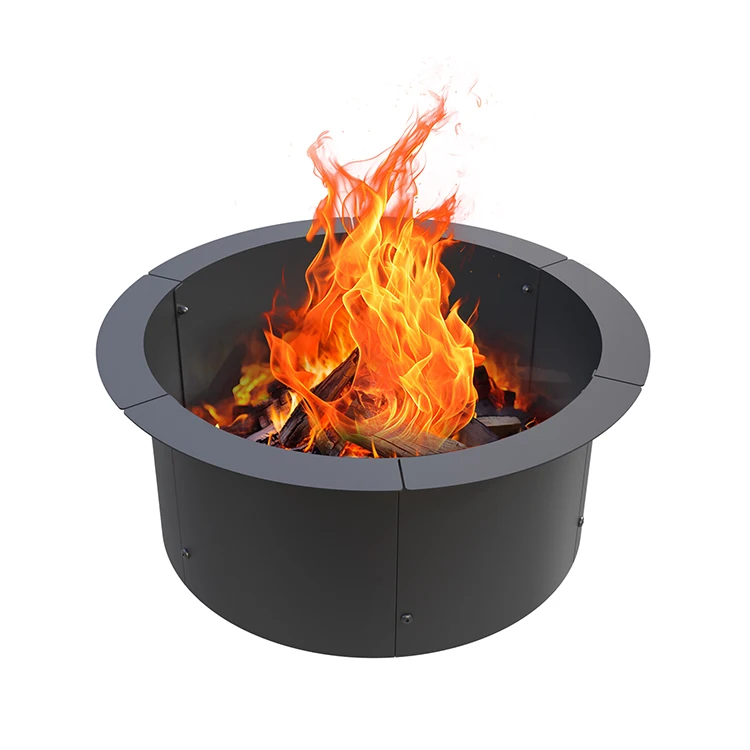
Hot Selling Fire Pit Galvanized Garden Campfire Fire Ring Fire Pits with Steel for Outdoor
For a reliable, budget-friendly option, consider the Hot Selling Fire Pit Galvanized Garden Campfire Fire Ring Fire Pits with Steel for Outdoor, which offers durability and classic style.
Frequently asked questions
What is the best material for a fire pit?
Steel, especially galvanized or corten, is durable and heat-resistant. Cast iron is classic but heavy, while stone and concrete offer an upscale look. Choose based on your climate and maintenance preference.
How far should a fire pit be from a house?
At least 10 feet away from any structure, including your house, to prevent fire hazards. Always check local codes as they may have specific requirements.
Can I cook on a fire pit?
Yes, many fire pits are designed for cooking. You can add a cooking grate or use a cast-iron skillet. Ensure the grate is stable and the fire is hot enough.
How do I clean a fire pit?
Wait for the pit to cool completely, then remove ashes and debris. Use a wire brush to scrub off residue. For rust, sand the area and apply high-heat paint. Always cover your fire pit when not in use.
