
Blog
Wood Writing Desk: A Complete Buying Guide
Buying Guide
Find Your Perfect Wood Writing Desk Today
A wood writing desk is more than just a piece of furniture—it’s where your ideas take shape. Whether you’re a seasoned writer or a student, choosing the right one can transform your productivity and comfort.
Why Choose a Wood Writing Desk?
Wood has been a trusted material for desks for centuries, and for good reason. It’s durable, timeless, and brings a warmth that synthetic materials often lack. A wood writing desk can anchor a room, providing a natural focal point that feels both grounded and inviting.
Unlike metal or glass, wood ages gracefully, developing a patina that tells a story. It’s also more forgiving on the environment when sourced responsibly. If you’re looking for a piece that will last through years of work and still look beautiful, wood is an excellent choice.
Key Factors to Consider Before Buying
Before you fall in love with a particular design, take a step back and evaluate your needs. Here are the most important aspects to think about:
- Size and Space: Measure your room and consider how much surface area you need. A cluttered desk can hinder focus, so ensure there’s enough room for your computer, notebooks, and a cup of coffee.
- Storage Options: Do you need drawers for supplies? Shelves for books? Think about what you’ll store and how accessible it should be.
- Style and Aesthetic: Your desk should complement your existing decor. From rustic to modern, there’s a wood desk for every taste.
- Budget: Solid wood desks can vary widely in price. Set a realistic budget that reflects quality and longevity.
Types of Wood: From Oak to Walnut
The type of wood not only affects the look but also the durability and maintenance of your desk. Here’s a quick rundown of popular choices:
- Oak: Strong, heavy, and resistant to wear. Its prominent grain adds character, and it takes stains well.
- Walnut: Rich, dark tones that are elegant and modern. Slightly softer than oak but still durable.
- Maple: Light and smooth, with a subtle grain. Great for a clean, contemporary look.
- Cherry: Warm, reddish hues that deepen with age. A classic choice for traditional interiors.
Each wood has its own personality, so choose one that resonates with your style and practical needs.
Size and Ergonomics: Finding the Right Fit
Ergonomics are crucial for a healthy workspace. Your desk height should allow your arms to rest comfortably at a 90-degree angle, and your feet should be flat on the floor. A standard desk height is around 29-30 inches, but you can find variations to suit your body.
Depth matters too. A desk that’s too shallow won’t give you enough space for a monitor and keyboard, while a deep desk might make it hard to reach everything. Aim for at least 24 inches of depth for a comfortable setup.
Storage Solutions: Drawers, Shelves, and More
Effective storage keeps your desk tidy and your mind clear. Consider what you need to keep within reach: pens, paper, chargers, or reference books. Options include:
- Drawers: Ideal for small items that you want hidden away.
- Shelves: Perfect for books or decorative pieces.
- Cubbies: A mix of open and closed storage for flexibility.
Think about your workflow. If you’re constantly reaching for a notebook, a drawer or shelf in the desk’s base is handy. If you prefer a minimalist surface, look for desks with built-in cable management.
Style and Aesthetics: Matching Your Space
Your desk is often the centerpiece of a home office, so it should reflect your personal taste. Here are some styles to consider:
- Modern: Clean lines, minimal hardware, and often with metal accents.
- Rustic: Reclaimed wood, visible grain, and a lived-in feel.
- Traditional: Ornate details, carved legs, and rich finishes.
- Industrial: A blend of wood and metal, inspired by factory aesthetics.
Don’t be afraid to mix styles—a modern wood writing desk can look stunning in a traditional room, and vice versa.
Eco-Friendly Options: Sustainable Wood Choices
If caring for the planet is important to you, look for desks made from sustainable sources. Certifications like the Forest Stewardship Council (FSC) ensure that the wood comes from responsibly managed forests. You can also consider reclaimed wood, which gives new life to old materials and adds unique character.
Sustainable choices not only reduce your carbon footprint but often result in higher-quality, more durable furniture.
Maintenance and Care Tips
To keep your wood writing desk looking its best, follow these simple tips:
- Dust regularly with a soft cloth to prevent buildup.
- Use coasters for drinks to avoid water rings.
- Clean spills immediately with a slightly damp cloth, then dry.
- Apply polish or wax every few months to nourish the wood.
- Avoid direct sunlight to prevent fading.
With proper care, a quality wood desk can last a lifetime.
What to Look For in a Quality Wood Writing Desk
When you’re ready to make a purchase, inspect the craftsmanship. Look for:
- Joinery: Dovetail joints or mortise-and-tenon are signs of durability.
- Finish: A smooth, even finish indicates attention to detail.
- Sturdiness: The desk should not wobble, even when you lean on it.
- Hardware: Drawer slides and handles should feel solid and operate smoothly.
Remember, a good desk is an investment in your daily life.
Final Thoughts: Making the Right Choice
Choosing a wood writing desk is a personal decision that balances function, style, and budget. Take your time, do your research, and prioritize what matters most to you. A well-chosen desk will serve you for years, inspiring productivity and comfort.
For more inspiration, explore our collection at Goldoma, where you’ll find a range of stylish and functional options to suit your home office.
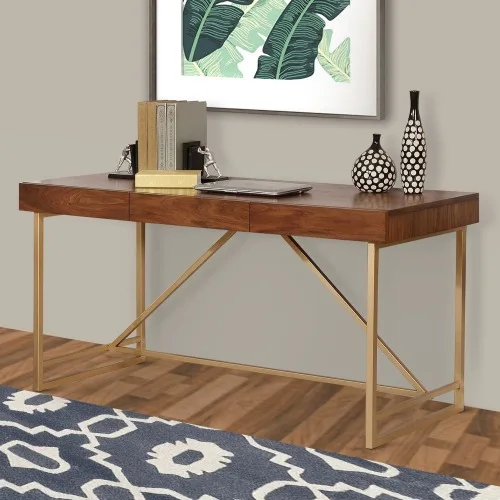
Modern Wooden Writing Desk with Metal Legs Brown Finish Storage Eco-Friendly & for Home Office and Living Room
If you’re seeking a blend of modern style and eco-conscious design, consider the Modern Wooden Writing Desk with Metal Legs Brown Finish Storage Eco-Friendly & for Home Office and Living Room—it’s a versatile piece that fits seamlessly into any space.
Frequently asked questions
What is the standard height for a wood writing desk?
The standard height for a wood writing desk is typically between 29 and 30 inches. However, the ideal height depends on your own body dimensions. When seated, your elbows should be at a 90-degree angle, and your feet should rest flat on the floor. Adjustable chairs can help achieve the correct posture.
How do I protect my wood writing desk from scratches?
To protect your wood writing desk from scratches, use a desk pad or mouse pad under your keyboard and mouse. Avoid placing sharp objects directly on the surface. Regularly dust and clean with a soft cloth, and consider using coasters for cups. You can also apply a protective wax or polish to create a barrier.
Can I use a wood writing desk for a computer setup?
Absolutely. Many wood writing desks are designed with modern technology in mind, featuring cable management holes and ample depth for monitors and keyboards. Choose a desk with a deep enough surface to accommodate your equipment comfortably, and consider adding a monitor stand to improve ergonomics.
What is the best wood for a writing desk?
The best wood for a writing desk depends on your priorities. Oak is durable and affordable, walnut offers rich beauty, maple is light and smooth, and cherry ages elegantly. If sustainability is important, look for FSC-certified or reclaimed wood. Ultimately, choose a wood that fits your aesthetic and budget.
