
Blog
Outdoor Garden Planters: A Complete Buying Guide
Buying Guide
Outdoor Garden Planters: Choose the Right Ones
Outdoor garden planters are more than just containers; they’re the stage for your green companions. Whether you have a sprawling backyard or a cozy balcony, the right planter can transform your space.
Why Outdoor Garden Planters Matter
Outdoor garden planters do more than hold soil; they define the character of your outdoor space. From classic terracotta to sleek fiberglass, each material brings its own personality and practical benefits.
Think about the visual weight: a large wooden planter anchors a corner, while a row of small metal pots adds a modern rhythm along a walkway. The choice influences not just aesthetics but also plant health, as different materials affect moisture retention and root temperature.
Material Selection: Pros and Cons
When browsing outdoor garden planters, you’ll encounter a variety of materials. Here’s a breakdown to help you decide.
Wood: Natural and Timeless
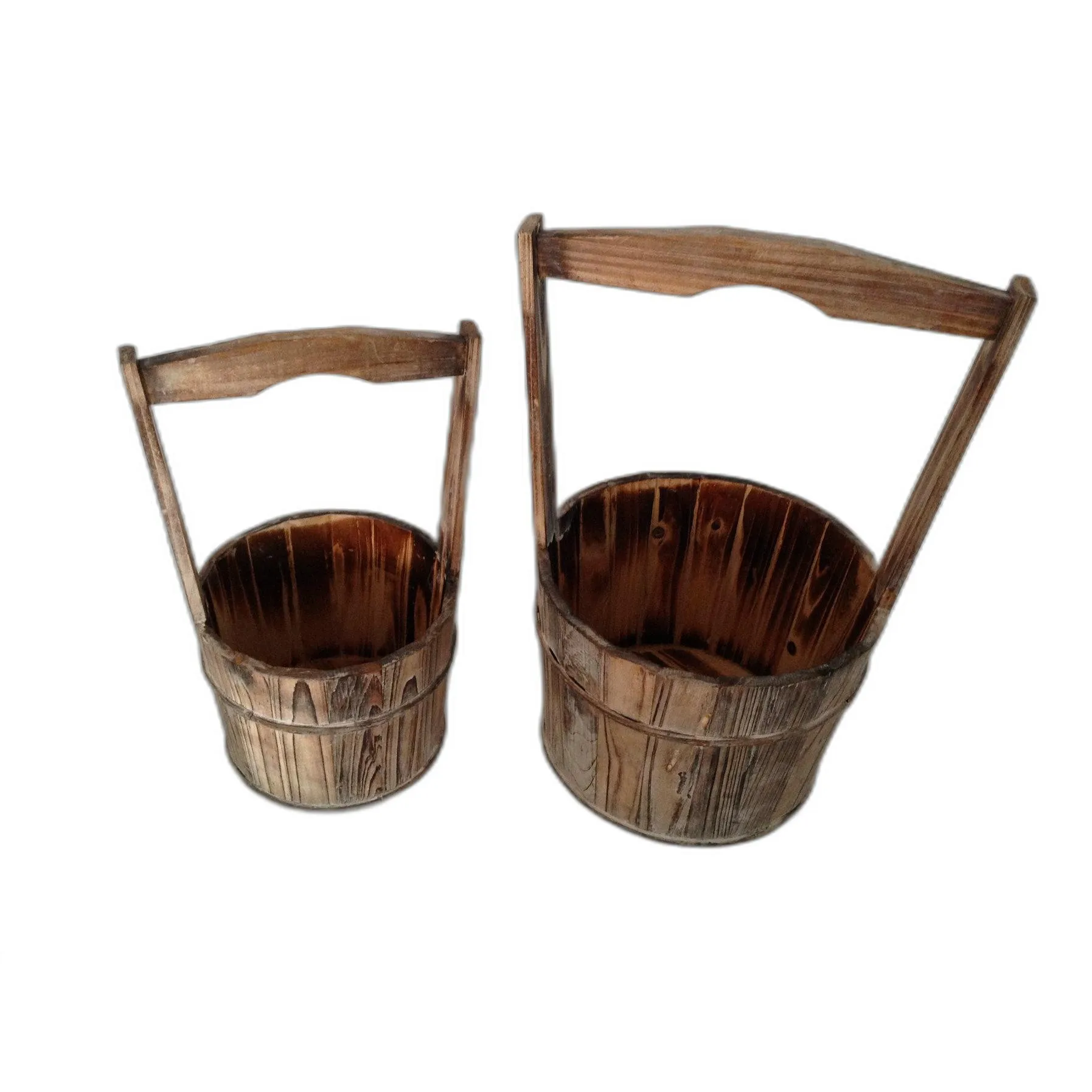
Wood planters blend seamlessly into garden settings. Cedar and redwood are naturally rot-resistant, making them durable choices. However, they require occasional sealing to maintain their appearance.
Plastic and Resin: Lightweight and Versatile
Plastic planters are affordable, lightweight, and come in countless styles. Modern manufacturing mimics the look of stone or wood without the weight. They’re easy to move and clean, but can fade in harsh sunlight over time.
Terracotta and Ceramic: Classic Beauty
These porous materials allow air and moisture to reach roots, which many plants love. But they can crack in freezing temperatures, so consider bringing them indoors or choosing frost-proof versions.
Metal: Sleek and Contemporary
Galvanized steel or aluminum planters offer a modern industrial look. They are durable and lightweight, but they can heat up quickly in direct sun, potentially harming roots.
Drainage: The Key to Healthy Roots
Proper drainage is non-negotiable for container gardening. Without it, roots can rot. Look for planters with drainage holes, or be prepared to drill your own. Elevating the planter slightly allows excess water to escape freely.
If your planter lacks holes, add a layer of gravel at the bottom—though this is a less effective solution. For indoor-outdoor flexibility, consider using a decorative outer pot with an inner plastic container that has holes.
Size and Scale: Matching Your Space
Size matters. A planter that’s too small will restrict root growth, while one that’s too large can overwhelm a small patio. Consider the mature size of your plants and the visual proportion.
For large statement plants like small trees or shrubs, opt for planters at least 18-24 inches deep. For flowers and herbs, 8-12 inches may suffice. Remember: bigger planters hold more soil, which means less frequent watering.
Style and Aesthetics: Making It Yours
Outdoor garden planters are an extension of your personal style. From rustic wooden barrels to minimalist geometric shapes, the options are endless.
Choose a finish that complements your home’s exterior. Earthy tones like brown and terracotta harmonize with natural surroundings, while bold colors can create a focal point. Mixing and matching styles adds visual interest—just keep a cohesive color palette.
Practical Considerations: Weight, Weather, and Maintenance
Think about where your planters will live. Large planters filled with wet soil can be extremely heavy. Consider using lightweight fillers like plastic bottles at the bottom to reduce weight.
If you live in a windy area, heavier materials like concrete or large ceramic provide stability. For extreme climates, ensure materials are frost-proof or UV-resistant. Regular maintenance, like cleaning and sealing wood, prolongs the life of your planters.
Eco-Friendly Options: Sustainable Choices
More gardeners are seeking sustainable outdoor garden planters. Look for materials like reclaimed wood, recycled plastic, or natural fibers like coir. These reduce environmental impact while still being functional and stylish.
Wood from responsibly managed forests is a renewable resource. Recycled plastic planters give new life to waste materials. By choosing eco-friendly options, you contribute to a healthier planet.
Final Thoughts: Bringing It All Together
Selecting the perfect outdoor garden planters involves balancing aesthetics, functionality, and plant needs. Start with a clear vision of your space, then choose materials and sizes that work for your lifestyle.
Remember, your planters are an investment in your garden’s beauty. Take your time, explore options, and don’t be afraid to mix and match. Happy planting!
10″ X 10″ Brown Eco-Friendly Wood Garden Planter Large 12″ Plastic Flower Pot Pack of 2 for Outdoor Plants
For a sustainable and stylish choice, consider the 10″ X 10″ Brown Eco-Friendly Wood Garden Planter with a large 12″ plastic flower pot, a pack of two that offers both beauty and practicality.
Frequently asked questions
What is the best material for outdoor planters?
The best material depends on your climate and aesthetic. Wood and plastic are versatile, while terracotta offers classic beauty but may crack in freezing temperatures. Consider durability, weight, and maintenance.
How do I ensure proper drainage in my planters?
Ensure your planter has drainage holes. If not, drill them yourself. Elevate the planter slightly to allow water to escape and avoid waterlogging.
What size planter should I choose for my plants?
Choose a planter that accommodates the mature size of your plant. For most flowers and herbs, 8-12 inches deep is sufficient. For larger plants like shrubs, opt for at least 18-24 inches deep.
Are eco-friendly planters durable?
Yes, many eco-friendly planters made from recycled plastic or reclaimed wood are highly durable. They are designed to withstand outdoor conditions while being sustainable.
