
Blog
Large Outdoor Planters: A Buying Guide for Beautiful Spaces
Buying Guide
Large Outdoor Planters: Choose the Perfect Ones
Large outdoor planters can transform any patio, balcony, or garden into a lush retreat, but choosing the right ones takes more than just picking a pretty pot. This guide walks you through every consideration, from material to drainage, so you can make an informed choice that your plants will thank you for.
Why Large Outdoor Planters Matter
Large outdoor planters are more than just containers; they are the foundation of your outdoor design. They provide the necessary space for roots to grow, allow for better moisture retention, and create visual anchor points in your landscape. Whether you’re framing an entryway or defining a seating area, the right planter can elevate the entire aesthetic.
Moreover, large planters offer flexibility. You can move them to follow the sun, rearrange your outdoor layout, or even bring tender plants indoors during harsh weather. They are an investment in both beauty and practicality.
Material Matters: Pros and Cons
The material of your large outdoor planters affects durability, weight, insulation, and style. Here’s a breakdown of common options:
- Wood: Classic and natural, wood planters blend seamlessly with gardens. They require treatment to resist rot, but with proper care, they can last for years. Cedar and redwood are naturally resistant.
- Plastic/Resin: Lightweight, affordable, and available in many styles. They retain moisture well but can become brittle in extreme cold.
- Concrete: Sturdy and long-lasting, concrete planters provide excellent insulation for roots but are heavy and can crack if not sealed.
- Metal: Sleek and modern, metal planters (like galvanized steel) are durable but can heat up quickly in direct sun, potentially harming roots.
Consider your climate, the weight you can manage, and the look you want. For a timeless, eco-friendly option, wood is a wonderful choice.
Size and Scale: Getting It Right
When selecting large outdoor planters, size matters more than you might think. A planter that’s too small restricts root growth and dries out quickly; one that’s too large can overwhelm the plant and lead to waterlogging. As a rule of thumb, the planter should be at least 2-4 inches wider in diameter than the plant’s root ball, and deep enough to accommodate the plant’s mature size.
Also, consider the scale in your space. A massive planter can be a statement piece, while a group of medium planters can create a cohesive arrangement. Measure your available area and visualize how the planters will fit.
Drainage and Watering Essentials
Proper drainage is crucial for plant health. Without it, roots can rot. Ensure your large outdoor planters have adequate drainage holes. If they don’t, you can drill some yourself or add a layer of gravel at the bottom (though this is less effective).
Consider using a potting mix that retains moisture yet drains well. Adding a saucer or tray can protect your patio from water stains, but empty it regularly to prevent standing water.
For convenience, some planters come with self-watering features or reservoirs. These can be great for busy gardeners or hot climates.
Watering Tips
- Water deeply but less frequently to encourage deep root growth.
- Check soil moisture with your finger; if dry an inch down, it’s time to water.
- Mulch the top layer to reduce evaporation.
Style and Aesthetics: Matching Your Outdoor Decor
Large outdoor planters come in countless styles—from sleek modern to rustic farmhouse. Choose a finish that complements your home’s architecture and your garden’s theme. Neutral tones like terracotta, gray, or brown are versatile, while bold colors can make a statement.
Consider the texture as well. Smooth metal or glossy ceramic offers a contemporary feel, while wood or stone provides warmth and natural charm. Don’t be afraid to mix and match, but keep a cohesive color palette in mind.
Climate Considerations for Year-Round Use
Your local climate plays a big role in planter selection. In freezing temperatures, porous materials like terracotta can crack. Opt for frost-resistant materials like plastic, fiberglass, or treated wood. If you live in a hot, sunny area, choose light-colored planters to reflect heat and protect roots.
Also, think about winter storage. Large planters can be heavy to move, so if you need to store them, consider lightweight options.
Eco-Friendly Options and Sustainability
More gardeners are seeking sustainable choices. Wood planters from responsibly sourced timber are renewable and biodegradable. Recycled plastic or resin planters are also eco-friendly. When possible, choose products that are built to last, reducing waste.
For a truly green choice, consider upcycling old barrels or crates into planters. This adds character and reduces your carbon footprint.
Where to Find High-Quality Large Outdoor Planters
When you’re ready to purchase, look for reputable brands that offer warranties and use quality materials. Read reviews to gauge durability and customer satisfaction. Online stores often have a wider selection, but local nurseries allow you to see the planters in person.
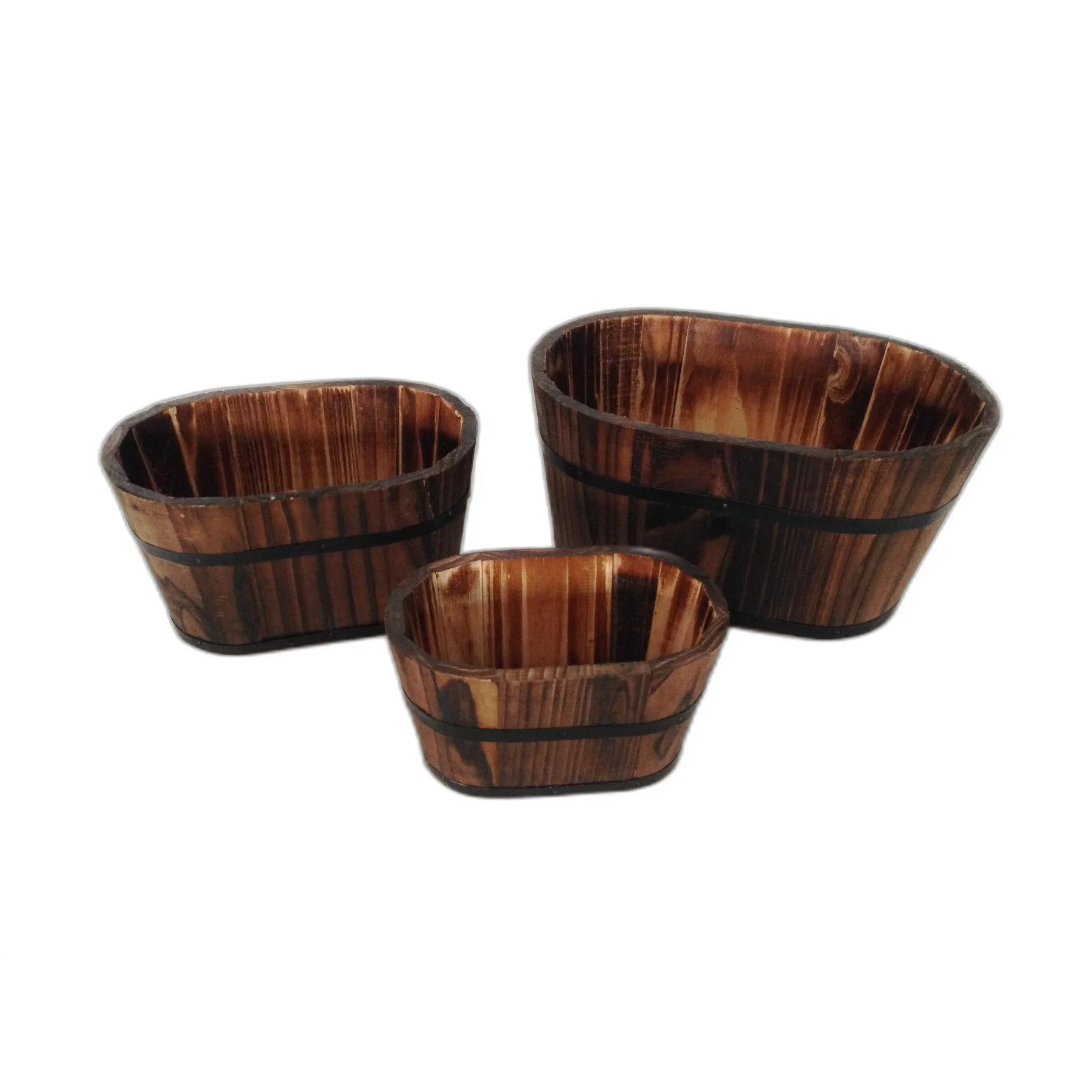
If you’re looking for a stylish and functional option, consider the 1″ X 10″ X 7″ Brown Wood Garden Planter Eco-Friendly Large Outdoor Planters for Indoor Plant 3-Piece Set Watering from Goldoma. It combines natural aesthetics with practicality, and the set of three gives you flexibility in arrangement.
Remember, the best large outdoor planters are those that meet your specific needs and bring you joy every time you step outside. Happy planting!
1″ X 10″ X 7″ Brown Wood Garden Planter Eco-Friendly Large Outdoor Planters for Indoor Plant 3-Piece Set Watering
For a versatile and eco-friendly option, the Goldoma 1″ X 10″ X 7″ Brown Wood Garden Planter set offers three beautifully crafted planters that are perfect for both indoor and outdoor use.
Frequently asked questions
What is the best material for large outdoor planters?
The best material depends on your climate and style. Wood is classic and eco-friendly, plastic is lightweight and affordable, concrete is durable but heavy, and metal is modern but can heat up. Consider your local weather and the look you want.
How do I choose the right size for a large outdoor planter?
Choose a planter that is 2-4 inches wider than the plant’s root ball and deep enough for the mature size. Also, consider the scale of your space—a large planter can be a focal point, while multiple smaller ones create a grouping.
Do large outdoor planters need drainage holes?
Yes, drainage is essential to prevent root rot. If your planter lacks holes, you can drill them or add a layer of gravel, but holes are the most effective way to ensure excess water escapes.
Can I leave large outdoor planters outside in winter?
It depends on the material and your climate. Frost-resistant materials like plastic, fiberglass, or treated wood can stay out, but porous materials like terracotta may crack. If in doubt, move them to a sheltered area or empty them of soil.
