
Blog
The Ultimate Guide to Large Garden Planters
Buying Guide
Choosing the Perfect Large Garden Planters
Large garden planters are more than just containers; they are the anchor of your outdoor sanctuary. In this guide, we’ll help you navigate the world of big pots so you can make a choice that thrives for years.
Why Size Matters in Large Garden Planters
When it comes to planters, size isn’t just about looks—it’s about the health of your plants. Large garden planters provide ample room for root systems to expand, which is essential for the long-term vitality of trees, shrubs, and perennials. A cramped root ball can lead to stunted growth and increased susceptibility to disease. With a generous volume of soil, you also create a buffer against temperature fluctuations, keeping roots cooler in summer and warmer in winter.
But bigger isn’t always better. A planter that’s too large for your plant can lead to waterlogging, as excess soil retains moisture that roots can’t absorb. The key is to match the planter size to the mature size of your plant. A good rule of thumb is to choose a planter that is one-third the height of the plant itself. This balance ensures adequate root space without overdoing it.
Materials: Finding the Right Fit for Your Outdoor Space
Large garden planters come in a variety of materials, each with its own set of advantages and considerations. Here’s a breakdown of the most common options:
- Concrete: Durable and heavy, concrete planters are perfect for permanent installations. They provide excellent insulation for roots but can be difficult to move once placed.
- Terracotta: Classic and porous, terracotta allows air and moisture to pass through, which is great for plants that prefer drier conditions. However, it can crack in freezing temperatures.
- Wood: Natural and attractive, wooden planters blend seamlessly into garden settings. They require regular treatment to prevent rot and may need lining to retain soil.
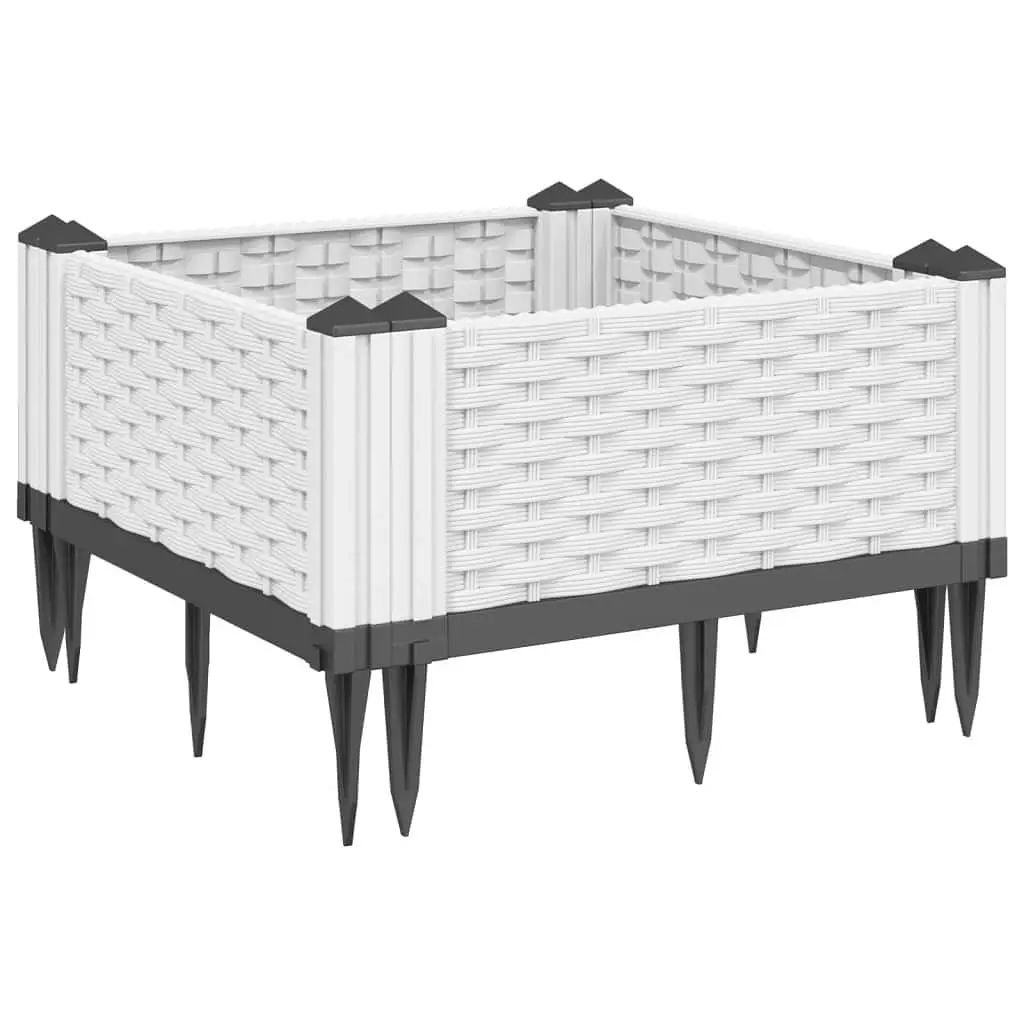
- Polypropylene: This modern plastic is lightweight, durable, and resistant to weather extremes. It’s an excellent choice for those who want flexibility in positioning. For a reliable option, consider the W2B VidaXL Large 12-Inch White Polypropylene Garden Planter Set, which combines functionality with a clean aesthetic.
Each material has its own maintenance needs. Concrete and wood may need sealing, while plastic and fiberglass are virtually maintenance-free. Think about the climate in your area and the amount of time you’re willing to invest in upkeep.
Drainage: The Lifeline of Container Gardening
Proper drainage is non-negotiable when it comes to large garden planters. Without adequate drainage holes, water can accumulate at the bottom, leading to root rot and fungal growth. When choosing a planter, ensure it has enough holes to allow excess water to escape. If you fall in love with a planter that lacks drainage, you can often drill your own holes—just be careful with materials like ceramic or glazed pottery.
Another tip is to add a layer of gravel or broken pot shards at the bottom before adding soil. This creates a reservoir for excess water and prevents soil from clogging the holes. However, be mindful that this can reduce the effective depth for roots, so adjust your soil volume accordingly.
Self-Watering Planters: A Convenient Alternative
If you’re often away or tend to forget watering, self-watering planters are a game-changer. These have a reservoir at the base that wicks moisture up to the roots as needed. They’re particularly useful for large planters, as they reduce the frequency of watering. Just be sure to check the water level regularly and clean the system to prevent algae growth.
Style and Aesthetics: Integrating Planters into Your Landscape
Large garden planters are not just functional; they’re design elements that can define your outdoor space. Whether you prefer a modern, minimalist look or a rustic, cottage garden vibe, there’s a planter to match. Consider the following:
- Color: Neutral tones like white, gray, or black provide a clean backdrop that lets your plants shine. Bold colors can make a statement but may clash with the surrounding foliage.
- Shape: Round planters are classic and easy to place, while square or rectangular ones fit neatly against walls or in corners. Urn-shaped planters add a touch of elegance.
- Texture: Smooth, glossy finishes offer a contemporary feel, while rough, textured surfaces evoke a more natural look.
Think about the overall theme of your garden. Large planters can be used to create focal points, frame entryways, or divide spaces. They also allow you to grow plants that might not survive in your local soil, such as citrus trees in colder climates.
Placement and Mobility: Planning Your Layout
Before you commit to a large planter, consider where it will go. Large planters are heavy, especially when filled with soil and plants. Once in place, they can be difficult to move. Plan your layout carefully, taking into account sunlight, wind exposure, and access to water.
If you like to rearrange your garden seasonally, look for planters with wheels or choose lighter materials like polypropylene or fiberglass. These allow you to move your plants to follow the sun or protect them from harsh weather. Alternatively, you can use a furniture dolly or plant caster to move heavier planters.
Remember that large planters can also serve as windbreaks or privacy screens. Placing them strategically can create cozy nooks in your garden.
Plant Selection: What to Grow in Large Planters
One of the joys of large garden planters is the variety of plants you can grow. Here are some ideas:
- Small Trees: Ornamental trees like Japanese maples or dwarf citrus thrive in large containers.
- Shrubs: Hydrangeas, boxwoods, and roses can be grown successfully with enough root space.
- Perennials: Lavender, salvia, and ornamental grasses add color and texture.
- Vegetables: Tomatoes, peppers, and even potatoes can be grown in large planters, making them perfect for urban gardeners.
When planting, use a high-quality potting mix that provides good drainage and nutrients. Avoid using garden soil, which can compact and suffocate roots. Also, consider companion planting to maximize space and deter pests.
Maintenance Tips for Long-Lasting Planters
To ensure your large garden planters remain beautiful and functional for years, follow these maintenance tips:
- Cleaning: At the start of each season, clean your planters with a mild soap and water solution to remove algae and salt buildup.
- Winter Care: In cold climates, protect porous materials like terracotta from freezing by moving them indoors or wrapping them in burlap.
- Repotting: Every few years, refresh the soil and repot plants that have outgrown their containers.
- Check for Cracks: Regularly inspect your planters for cracks or damage, especially after harsh weather.
By investing a little time in maintenance, you can extend the life of your planters and keep your garden looking its best.
For more in-depth information on container gardening, you can refer to this Wikipedia article on container gardens.
W2B VidaXL Large 12-Inch White Polypropylene Garden Planter Set Modulard Flower Pot for Home Gardening Direct Sale
For a lightweight, durable option, the W2B VidaXL Large 12-Inch White Polypropylene Garden Planter Set offers a clean, modular design that’s easy to arrange and move.
Frequently asked questions
What size large garden planter do I need for a small tree?
For a small tree, choose a planter that is at least 24 inches in diameter and 24 inches deep. This provides enough room for the root ball to establish and grow. The planter should be one-third the height of the tree for optimal balance.
Can I leave large garden planters outside in winter?
It depends on the material. Concrete, polypropylene, and fiberglass are generally frost-resistant. Terracotta and ceramic can crack if water freezes inside. To be safe, move fragile planters indoors or wrap them in burlap to protect from freezing temperatures.
How often should I water plants in large garden planters?
Watering frequency depends on the plant type, weather, and soil moisture. Large planters hold more soil, so they dry out slower than small pots. Check the top inch of soil; if it’s dry, water thoroughly until water drains from the bottom. During hot weather, you may need to water daily.
Do large garden planters need drainage holes?
Yes, drainage holes are essential to prevent waterlogging and root rot. If your planter doesn’t have holes, you can drill them yourself. Alternatively, use a layer of gravel at the bottom, but holes are still recommended for optimal drainage.
