
Blog
How to Choose the Perfect Hanging Bird Bath
Garden Essentials
The Ultimate Guide to Choosing a Hanging Bird Bath
A hanging bird bath is more than just a garden ornament; it’s an invitation to wildlife. Whether you’re a seasoned birder or a casual observer, this guide will help you find the perfect one.
Why Choose a Hanging Bird Bath?
Hanging bird baths offer a unique blend of form and function. Unlike traditional pedestal baths, they can be suspended from trees, hooks, or pergolas, making them versatile and space-saving. They also add a whimsical touch to your garden, creating movement and visual interest.
But beyond aesthetics, a hanging bird bath provides a safe watering spot for birds, especially in areas where ground predators might be a concern. Elevated baths give birds a clear view of their surroundings, making them feel secure while they drink or bathe.
Materials: Which One Is Right for You?
The material of your hanging bird bath affects its durability, appearance, and maintenance. Here are some common options:
- Metal: Durable and often decorative, but can get hot in direct sun. Look for powder-coated finishes to prevent rust.
- Glass: Beautiful and glossy, but fragile. Best for sheltered spots.
- Ceramic: Heavy and sturdy, but may crack in freezing temperatures.
- Plastic: Lightweight and affordable, but may fade or become brittle over time.
- Stone: Natural and sturdy, but very heavy; ensure your hanging point can support it.
Each material has its pros and cons. Consider your climate and the location where you’ll hang the bath. For example, in hot regions, a light-colored bath will reflect heat, keeping water cooler for birds.
Size and Depth: What Birds Prefer
Birds are attracted to baths that are shallow, typically 1-2 inches deep. This depth allows them to bathe safely without the risk of drowning. The diameter should be at least 10-12 inches to accommodate various species.
If you have a large yard, you might opt for a bigger bath, but remember that a heavy, large bath requires a sturdy support. A good rule of thumb is to choose a bath that is proportional to your space and the birds you want to attract.
Why Depth Matters
Shallow water is easier for birds to stand in and splash around. Adding a few stones or pebbles can create perching spots and increase the bath’s appeal.
Placement: Where to Hang It
Placement is key to a successful bird bath. Hang it in a spot that is:
- Visible: You’ll want to enjoy watching the birds, so place it near a window or seating area.
- Safe: Avoid areas where cats or other predators can easily reach.
- Sheltered: Some protection from wind will prevent water from splashing out and keep birds comfortable.
- Partial Shade: This helps keep water cooler and reduces algae growth.
Also, ensure the branch or hook can support the weight when full of water. A 10-inch bath can hold up to 2 gallons, which is about 16 pounds.
Maintenance: Keeping It Clean and Inviting
Regular cleaning is essential to prevent the spread of disease among birds. Empty and scrub the bath with a brush and mild soap every few days, then rinse thoroughly. Avoid harsh chemicals that could harm birds.
In summer, change the water daily to prevent mosquitoes. In winter, provide a heated bath or bring it indoors to prevent cracking. A clean, fresh water source will attract more birds.
Style and Design: Matching Your Garden
Bird baths come in many designs, from rustic to modern. Choose one that complements your garden’s aesthetic. A classic copper bath adds a touch of elegance, while a colorful glass bowl can be a focal point.
Consider the finish: matte, glossy, or textured. Textured surfaces provide better grip for birds. Also, think about the hanger – some have decorative chains or hooks that add to the overall look.
Safety Considerations
Ensure the bath is stable and won’t swing excessively in the wind. Use a sturdy hook or chain. If you have children, make sure the bath is out of reach to avoid accidents.
Also, check for sharp edges or rough spots that could injure birds. Smooth edges are safer and more comfortable for birds to perch on.
Our Recommendation
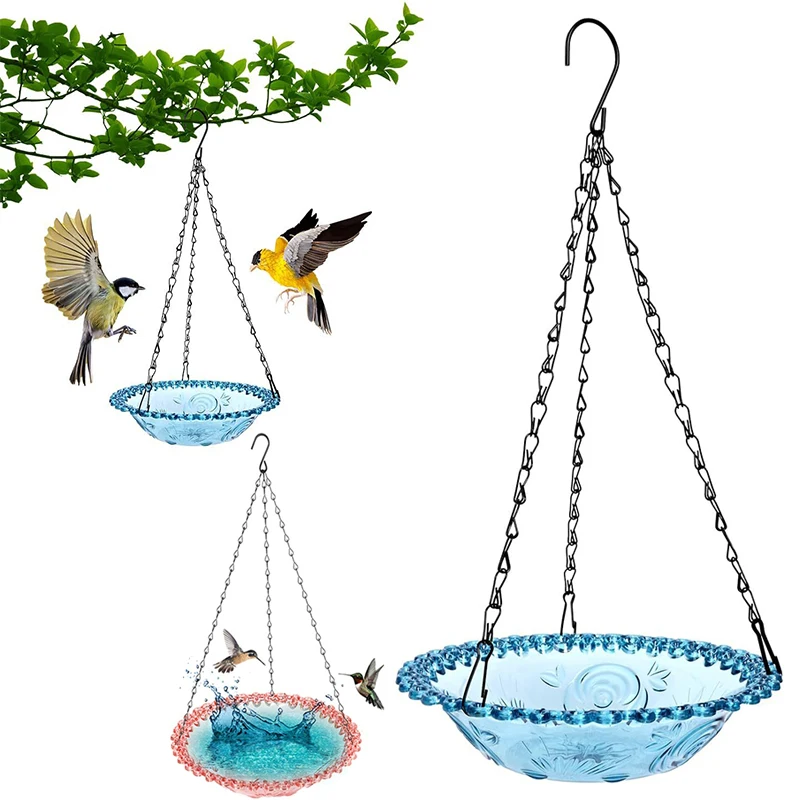
After considering all these factors, you might be ready to make a choice. For a reliable and attractive option, look for a bath that combines durability with ease of cleaning. The Hanging Bird Bath Hanging Bird-Feeder- Garden BirdBath Tray Wildlife Feeder Plate Water Bowl or Water Bowl for Garden Decoration offers a practical design that fits many garden styles.
Remember, the best hanging bird bath is one that you’ll maintain and enjoy for years. With the right choice, you’ll create a haven for birds and a delightful focal point for your garden.
Hanging Bird Bath Hanging Bird-Feeder- Garden BirdBath Tray Wildlife Feeder Plate Water Bowl or Water Bowl for Garden Decoration
For a practical and attractive option, consider the Hanging Bird Bath Hanging Bird-Feeder- Garden BirdBath Tray Wildlife Feeder Plate Water Bowl or Water Bowl for Garden Decoration, which combines functionality with garden charm.
Frequently asked questions
How do I keep a hanging bird bath from tipping?
Hanging bird baths are less likely to tip than pedestal baths, but ensure the chain or hook is securely attached. Use a sturdy hook rated for the weight, and avoid hanging it in windy spots.
What is the best material for a hanging bird bath?
The best material depends on your climate and preferences. Metal is durable, glass is elegant, but ceramic and stone are heavier and more stable. Consider maintenance and weather resistance.
How often should I clean a hanging bird bath?
Clean the bath every 2-3 days, especially in warm weather. Scrub with a brush and rinse thoroughly. Change water daily to prevent mosquito breeding.
Can I hang a bird bath from a tree branch?
Yes, but ensure the branch is strong enough to support the weight. Use a rope or chain that won’t damage the bark, and check periodically for wear.
