
Blog
The Ultimate Outdoor Fire Pit Buying Guide
Buying Guide
Outdoor Fire Pit: Your Complete Buying Guide
An outdoor fire pit can transform your backyard into a cozy gathering spot, but choosing the right one requires careful thought. This guide will walk you through every consideration, from fuel type to placement, so you can enjoy warm nights around the fire with confidence.
Why an Outdoor Fire Pit Is a Worthy Investment
Few additions to your outdoor space offer as much return on investment as an outdoor fire pit. It extends the usability of your patio or garden into cooler months, creates a natural focal point for social gatherings, and can even increase your home’s resale value. According to a Wikipedia article on fire pits, they have been used for centuries for warmth and cooking, and today they come in a wide range of styles to suit any aesthetic.
Beyond the practical benefits, there’s something primal and comforting about gathering around a fire. It encourages conversation, relaxation, and a sense of connection with nature. Whether you’re roasting marshmallows with family or enjoying a quiet evening with a book, an outdoor fire pit becomes a cherished part of your home.
Types of Outdoor Fire Pits: Which One Fits Your Lifestyle?
When shopping for an outdoor fire pit, you’ll encounter several distinct types, each with its own set of advantages. Understanding these will help you narrow down your choices.
Wood-Burning Fire Pits
These are the classic choice, offering the authentic crackle and aroma of a real wood fire. They are typically more affordable upfront and can be used for cooking if you add a grill grate. However, they require a steady supply of firewood, produce smoke and ash, and need regular cleaning. Additionally, some areas have burn bans during dry seasons, so check local regulations.
Propane and Natural Gas Fire Pits
If convenience is your priority, gas fire pits are hard to beat. They ignite instantly, produce no smoke or ash, and allow you to control the flame height with a simple knob. They are safer in windy conditions and can be easily turned off when you’re done. The downside is a higher initial cost and the need for a fuel source—either a propane tank or a natural gas line installed by a professional.
Tabletop Fire Pits
For small balconies or as a decorative accent, tabletop fire pits are a great option. They run on small propane canisters or gel fuel and are portable enough to move around. While they don’t provide as much heat, they create a lovely ambiance and are perfect for intimate settings.
Key Considerations Before You Buy
Before you commit to a purchase, take a moment to evaluate your space and needs. This will prevent buyer’s remorse and ensure you get the most enjoyment from your fire pit.
- Available Space: Measure your patio or yard. A fire pit should be at least 6-10 feet away from structures and overhanging branches. Consider the seating area around it—you’ll want at least 3 feet of clearance on all sides.
- Fuel Availability: If you choose wood, ensure you have a dry place to store logs. For gas, check if you have a natural gas line or are willing to manage propane tanks.
- Local Regulations: Some municipalities require permits or have restrictions on open flames. Check with your local fire department or homeowners’ association before buying.
- Weather Resistance: If you live in an area with harsh winters, look for a fire pit made of materials that can withstand freezing temperatures, such as cast iron or stainless steel.
- Aesthetic Preference: Your fire pit should complement your outdoor decor. Choose a finish and style that blends with your existing furniture and landscaping.
Materials and Durability: What to Look For
The material of your outdoor fire pit affects not only its look but also its longevity. Here’s a breakdown of common materials and their pros and cons.
Steel and Iron
Heavy-duty steel and cast iron are popular for their durability and heat retention. They can withstand high temperatures and are less likely to warp. However, they are prone to rust if not coated properly, so look for powder-coated finishes or use a cover when not in use.
Copper and Brass
These metals develop a beautiful patina over time, adding character to your fire pit. They are corrosion-resistant and highly durable, but they come at a premium price. They are also excellent conductors of heat, so the outer surface can get very hot—keep this in mind if you have children or pets.
Stone and Concrete
For a permanent, built-in look, stone or concrete fire pits are stunning. They are incredibly sturdy and can be customized to fit any shape. The downside is that they are heavy and may require professional installation. They also absorb heat, which can be a bonus for warmth but a hazard for curious hands.
Safety First: Essential Tips for Enjoying Your Fire Pit
Safety should always be your top priority when using an outdoor fire pit. Follow these guidelines to ensure a worry-free experience.
- Placement: Set up your fire pit on a level, non-combustible surface like concrete, stone, or gravel. Keep it away from dry grass, leaves, and any flammable materials.
- Clearance: Maintain at least a 10-foot clearance from structures, including your house, deck, and overhanging branches.
- Supervision: Never leave a burning fire unattended. Keep children and pets at a safe distance, and consider using a spark screen to prevent embers from escaping.
- Extinguishing: Have a bucket of water, sand, or a fire extinguisher nearby. When you’re done, fully extinguish the fire and stir the ashes to ensure no hot spots remain.
- Weather: Avoid using your fire pit in high winds, which can spread sparks and make the fire unpredictable.
Accessories to Enhance Your Fire Pit Experience
The right accessories can make your fire pit more functional and enjoyable. Here are some popular add-ons to consider.
- Spark Screen: A mesh cover that prevents embers from popping out, protecting your patio and loved ones.
- Fire Pit Cover: A weatherproof cover keeps your fire pit clean and protects it from rain, snow, and UV rays when not in use.
- Cooking Grates: Many fire pits can be fitted with a grill grate, allowing you to cook burgers, hot dogs, or vegetables over the open flame.
- Log Rack: Keep firewood organized and dry with a stylish log rack that doubles as a decorative element.
- Heat-Resistant Mat: Place a mat under your fire pit to protect your deck or patio from sparks and heat damage.
How to Maintain Your Outdoor Fire Pit
Proper maintenance will extend the life of your fire pit and keep it looking great. Here are some simple steps to follow.
- Regular Cleaning: Remove ash and debris after each use. For gas fire pits, wipe down the burner and check for clogs in the ports.
- Seasonal Care: In the off-season, store your fire pit indoors or cover it with a waterproof cover. If it’s portable, move it to a shed or garage.
- Rust Prevention: For steel or iron fire pits, touch up any scratches with high-heat paint to prevent rust. Apply a protective coating if recommended by the manufacturer.
- Inspect for Damage: Periodically check for cracks, warping, or loose parts, especially after extreme weather. Address any issues promptly to avoid safety hazards.
Eco-Friendly and Alternative Options
If you’re environmentally conscious, you might be wondering about the sustainability of different fire pit fuels. Here’s what you need to know.
Wood burning is carbon-neutral if the wood comes from sustainable sources, as the CO2 released during burning is offset by the CO2 absorbed during the tree’s growth. However, it produces particulate matter that can contribute to air pollution. To minimize impact, use seasoned hardwoods that burn cleaner and avoid burning trash or treated wood.
Propane and natural gas burn much cleaner, producing fewer particulates and no ash. They are a good choice for areas with strict air quality regulations. While they rely on fossil fuels, their efficiency and lower emissions may make them a better option for some households.
For a truly eco-friendly alternative, consider a bioethanol fire pit. These use renewable bioethanol fuel and produce only heat, water vapor, and small amounts of CO2. They are ventless and require no chimney, making them perfect for covered patios or even indoor use in some cases.
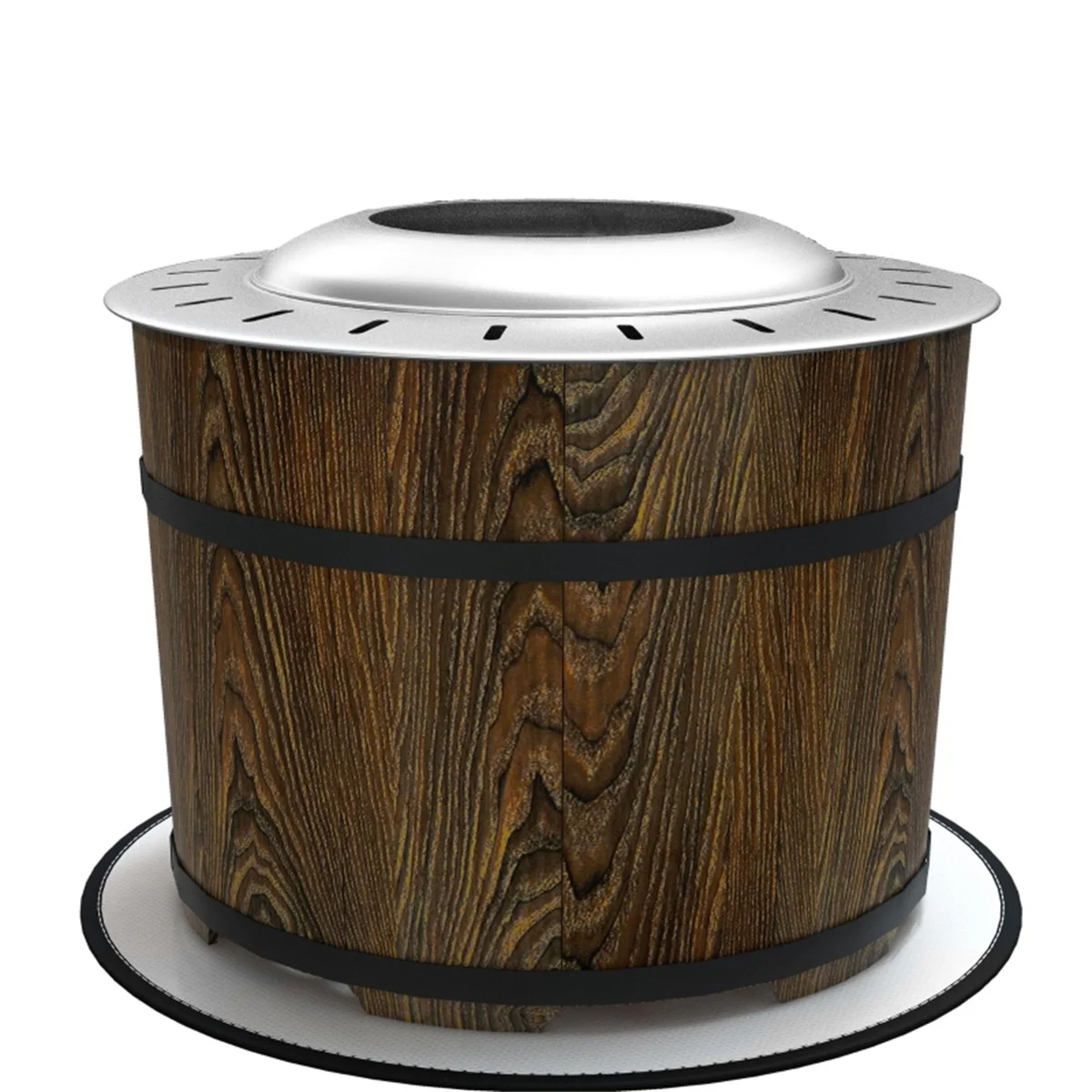
Brown Outdoor Fire Pit Outdoor Furniture
For a durable and stylish option, consider the Brown Outdoor Fire Pit Outdoor Furniture, which combines sturdy construction with a classic design that fits most patios.
Frequently asked questions
What is the best material for an outdoor fire pit?
The best material depends on your priorities. Steel and cast iron are durable and retain heat well, but they can rust if not maintained. Copper and brass are corrosion-resistant and develop a nice patina, but they are more expensive. Stone and concrete are extremely sturdy and visually appealing, but they are heavy and may require professional installation. Choose a material that fits your climate, budget, and aesthetic.
How far should a fire pit be from a house?
Safety guidelines recommend keeping your fire pit at least 10 feet away from any structure, including your house, deck, and overhanging branches. This distance helps prevent accidental fires and ensures proper ventilation. Always check local codes, as some areas may have stricter requirements.
Can I use a fire pit on a wooden deck?
Yes, you can use a fire pit on a wooden deck, but you must take precautions. Place a heat-resistant mat or fireproof pad under the fire pit to protect the wood from sparks and heat. Ensure the fire pit is elevated and has a spark screen. Also, maintain a safe distance from any railings or furniture. Never leave the fire unattended.
How do I clean a fire pit?
Cleaning depends on the type. For wood-burning fire pits, remove ashes with a small shovel and metal bucket after each use. Periodically deep-clean with a wire brush to remove soot. For gas fire pits, turn off the gas and wipe down the burner and surrounding surfaces. Check the gas ports for clogs and clear them with a needle or compressed air. Always wait for the fire pit to cool completely before cleaning.
