
Blog
Outdoor Fire Pit Buying Guide: 7 Expert Tips
Buying Guide
Outdoor Fire Pit Essentials: Your Complete Buying Guide
Choosing the right outdoor fire pit can transform your backyard into a cozy retreat. This guide covers everything from fuel types to safety, ensuring you make an informed decision.
Why an Outdoor Fire Pit Enhances Your Outdoor Living
An outdoor fire pit serves as a natural gathering spot, extending the usability of your patio or garden into cooler months. It provides warmth, ambiance, and a focal point for socializing. According to a Wikipedia article on fire pits, they have been used for centuries for cooking and warmth. Modern designs offer both function and style, making them a popular addition to outdoor spaces.
Beyond aesthetics, a fire pit can increase your home’s value and create memorable experiences with family and friends. The crackling sound and dancing flames have a calming effect, making your outdoor area a true sanctuary.
Key Factors to Consider Before Buying
Before you start shopping, think about your space, needs, and local regulations. Measure your patio or yard to determine the ideal size. Consider how often you’ll use it and whether you prefer a permanent or portable option. Also, check your local fire codes and HOA rules to ensure compliance.
Space and Placement
- Keep a safe distance from structures and overhanging branches.
- Place on a non-flammable surface like stone, concrete, or gravel.
- Ensure proper ventilation if using under a covered patio.
Purpose and Usage
- If you love cooking, choose a model with a grill grate.
- For pure ambiance, a simple bowl or tabletop design works.
- Consider how many people you typically entertain.
Types of Outdoor Fire Pits: Wood-Burning vs. Gas
One of the biggest decisions is fuel type. Wood-burning fire pits offer the classic campfire experience with authentic crackles and smoky aroma. They require more maintenance, including cleaning ash and sourcing firewood. Gas fire pits, on the other hand, provide instant ignition and adjustable flames, making them more convenient and cleaner. They can run on natural gas or propane, and some models use gel fuel for portability.
Wood-Burning Fire Pits
- Pros: Authentic experience, lower upfront cost, no fuel lines.
- Cons: Smoke, sparks, ash cleanup, requires dry wood.
Gas Fire Pits
- Pros: Easy start, clean burn, controllable heat, no smoke.
- Cons: Higher cost, installation may be required, less aromatic.
Materials and Durability: What to Look For
The material affects both appearance and longevity. Steel is sturdy and retains heat well but can rust if not coated. Cast iron is classic and durable but heavy and prone to rust. Copper and stainless steel offer corrosion resistance and a modern look. Stone and concrete are stylish and durable but may crack with extreme temperature changes. Consider the climate you live in and the level of maintenance you’re willing to commit to.
Popular Materials
- Steel: Affordable and durable, but needs rust-resistant coating.
- Cast Iron: Traditional, excellent heat retention, heavy.
- Stainless Steel: Rust-proof, lightweight, sleek.
- Copper: Beautiful patina over time, high-end look.
- Stone/Concrete: Natural appearance, great for permanent installations.
Safety Features and Accessories
Safety should be a top priority. Look for spark screens, which prevent embers from escaping. A sturdy base or stand ensures stability. Some models come with a lid or cover to protect when not in use. Accessories like poker, grate, and weather cover enhance functionality. Always keep a fire extinguisher or water source nearby, and never leave a lit fire unattended.
Essential Safety Features
- Spark screen or mesh cover.
- Non-slip base or legs.
- Cool-touch handles or edges.
- Wind guard to prevent flare-ups.
Portable vs. Permanent Fire Pits
Portable fire pits offer flexibility—you can move them around your yard or take them camping. They are typically lighter and easier to store. Permanent fire pits are built-in or heavy designs that become a fixed part of your landscape. They often feature elaborate stonework or built-in seating. Consider your lifestyle and whether you might relocate.
Portable Options
- Tabletop models for small spaces.
- Chimineas for a rustic look.
- Collapsible designs for easy storage.
Permanent Options
- In-ground fire pits.
- Custom-built stone or brick designs.
- Integrated with outdoor kitchens.
Budgeting and Maintenance
Fire pit prices vary widely, from budget-friendly under $100 to luxury models over $1,000. Factor in the cost of fuel, accessories, and any installation. Maintenance includes cleaning, covering, and occasional part replacement. Proper care extends the life of your fire pit, saving money in the long run.
Maintenance Tips
- Clean out ash after each use for wood-burning models.
- Wipe down gas fire pits to remove dust and debris.
- Use a weatherproof cover when not in use.
- Check for rust and treat as needed.
Choosing the Perfect Outdoor Fire Pit for Your Home
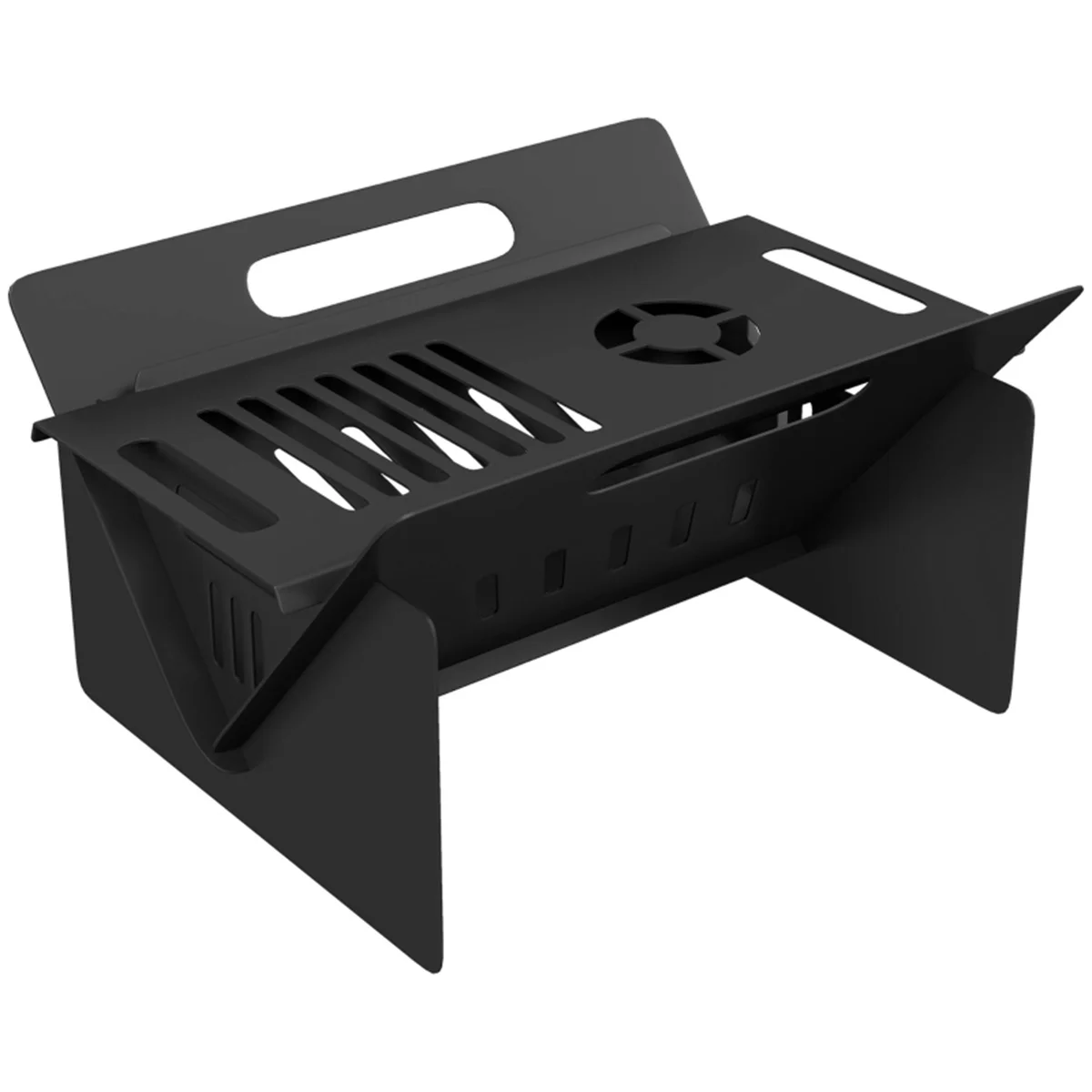
Ultimately, the best outdoor fire pit is one that fits your space, style, and budget. Take your time to research and compare options. If you’re looking for a versatile and stylish addition, consider the Outdoor Furniture Outdoor Fire Pit from Goldoma—it combines durability with elegant design, perfect for any backyard.
Remember to prioritize safety and enjoy the warmth and conviviality your new fire pit brings. Whether you’re roasting marshmallows or simply relaxing with a book, the right fire pit will become a beloved centerpiece of your outdoor living.
Outdoor Furniture Outdoor Fire Pit
For a blend of durability and elegance, consider the Outdoor Furniture Outdoor Fire Pit from Goldoma, a versatile choice that complements any outdoor setting.
Frequently asked questions
What is the best material for an outdoor fire pit?
The best material depends on your climate and maintenance preference. Stainless steel is rust-resistant and lightweight, while cast iron offers excellent heat retention but requires more care. Copper develops a beautiful patina over time, and stone or concrete provide a permanent, natural look.
Can I use a fire pit on a wooden deck?
Yes, but with caution. Place a fire-resistant mat or pad under the fire pit to protect the deck from heat and sparks. Ensure the fire pit has adequate clearance from railings and overhangs, and never leave it unattended.
How do I maintain a wood-burning fire pit?
Regularly remove ash and debris, keep it covered when not in use, and inspect for rust. Use dry, seasoned wood to reduce smoke and creosote buildup. A spark screen helps prevent embers from escaping.
Are gas fire pits safer than wood-burning ones?
Gas fire pits are generally considered safer because they produce no sparks and have controlled flames. However, they require proper installation and handling of gas lines or propane tanks. Always follow manufacturer guidelines and local codes.
