
Blog
Outdoor Gas Fire Pit Buying Guide: Warmth & Style
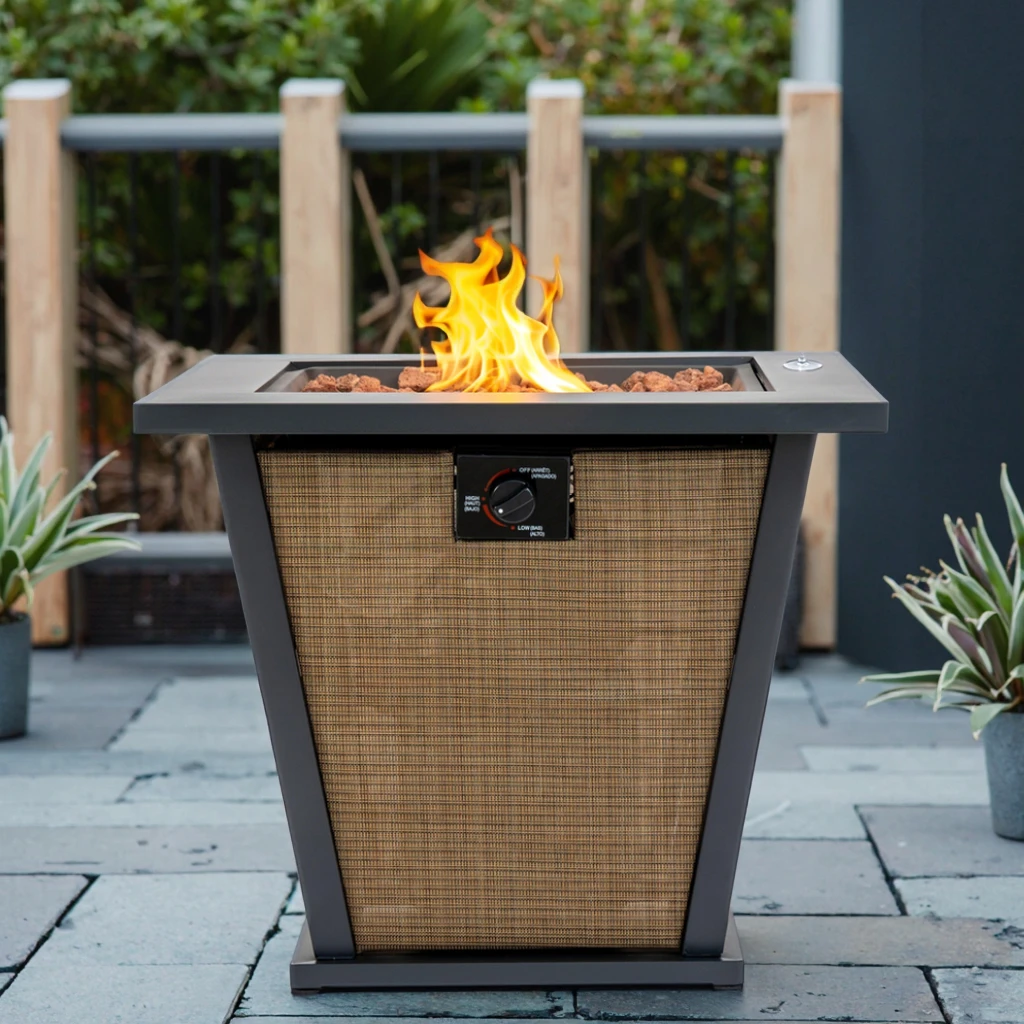
Buying Guide
Your Complete Outdoor Gas Fire Pit Buying Guide
An outdoor gas fire pit can transform your patio into a cozy retreat, but choosing the right one requires careful thought. This guide will walk you through every consideration, from fuel types to safety features.
Why Choose an Outdoor Gas Fire Pit?
There’s something magical about gathering around a fire, but traditional wood-burning pits come with hassle: chopping wood, tending flames, and cleaning ash. A gas fire pit offers instant ambience at the flip of a switch, with no smoke or sparks. It’s a cleaner, more convenient way to enjoy outdoor living.
Moreover, gas pits are often more environmentally friendly than wood, as they produce fewer particulates. They’re also easier to control, allowing you to adjust the flame height to suit the mood. Whether you’re hosting a summer BBQ or a chilly autumn evening, a gas fire pit extends your outdoor season.
Types of Outdoor Gas Fire Pits
Before you start shopping, it’s helpful to know the main styles available:
- Freestanding: These are portable units that sit on legs or a base. They can be moved around your patio and stored when not in use.
- Tabletop: Compact and perfect for small spaces, these sit on an existing table and provide a cozy flame.
- Built-in: Designed to be integrated into your outdoor kitchen or landscape, these are permanent fixtures that add significant value to your home.
- Fire columns: Tall, cylindrical units that serve as both a heat source and a sculptural element. They’re great for modern patios.
Each type has its pros and cons. Freestanding offers flexibility, while built-in provides a seamless look. Consider your space and how you plan to use the pit.
Fuel Options: Propane vs. Natural Gas
Your choice of fuel affects cost, installation, and convenience.
Propane Fire Pits
Propane runs on portable tanks, making them easy to place anywhere. You’ll need to refill or swap tanks periodically, which is an ongoing cost. They’re great for renters or those who want a movable pit.
Natural Gas Fire Pits
Natural gas connects directly to your home’s supply, so you never run out of fuel. However, installation requires a professional and is more expensive upfront. Natural gas is often cheaper in the long run and is more eco-friendly.
Think about your lifestyle: If you love to rearrange your outdoor space, propane gives you freedom. If you want a permanent, low-maintenance feature, natural gas is the way to go.
Size and Placement Considerations
The size of your fire pit should match your space and needs. A small pit for a cozy balcony differs from a large one for a sprawling lawn.
Measure your patio and leave at least three feet of clearance on all sides. Also, check local regulations—some areas have restrictions on open flames. For safety, never place a fire pit under a low overhang or near flammable materials.
Think about seating: you’ll want enough room for chairs or benches around the pit. A general rule is to allow 2 feet of seating space per person. Also, consider the wind direction—you don’t want smoke blowing into your guests’ faces (though gas pits produce minimal smoke).
Safety Features to Look For
Safety is paramount when dealing with fire. Here are key features to prioritize:
- Thermocouple or thermopile: This device automatically shuts off gas if the flame goes out.
- CSA or UL certification: Ensures the product meets safety standards.
- Stable base: A wide, heavy base prevents tipping.
- Remote control or ignition switch: Allows you to light the flame without leaning over.
- Glass wind guard: Protects the flame and adds a modern touch.
Always read the manufacturer’s instructions and never leave a lit pit unattended.
Materials and Durability
Outdoor furniture endures sun, rain, and snow. Choose materials that can withstand the elements.
Common options include:
- Stainless steel: Rust-resistant and sleek, but can get very hot.
- Powder-coated steel: Durable and available in many colors, but may chip over time.
- Cast aluminum: Lightweight yet strong, often with intricate designs.
- Stone or concrete: Heavy and sturdy, offering a natural look.
Also, consider the burner and pan: stainless steel or brass are best for longevity. Look for a pit with a cover to protect it when not in use.
Accessories to Enhance Your Experience
Once you’ve chosen your pit, consider these add-ons:
- Lava rocks or glass beads: These distribute heat and hide the burner.
- Wind guards: Keep the flame steady on breezy days.
- Fire pit covers: Protect your investment from the weather.
- Fire glass: Adds a pop of color and reflects light beautifully.
Remember that some accessories are purely aesthetic, while others improve performance. Choose based on your needs.
Budgeting and Maintenance
Outdoor gas fire pits range from $200 for basic models to over $2,000 for premium built-ins. Set a budget that includes installation if needed.
Maintenance is relatively simple: clean the burner and pan periodically, check for gas leaks, and replace worn parts. Always turn off the gas supply when not in use.
For more information on gas safety, check out this article on outdoor fireplaces.
Outdoor Metal Fire Pit Column Patio Gas Fire Pit US
For a stylish and durable option, consider the Outdoor Metal Fire Pit Column Patio Gas Fire Pit US, which combines modern design with reliable performance.
Frequently asked questions
How much does an outdoor gas fire pit cost?
Prices vary widely based on size, materials, and features. Basic portable models start around $200, while built-in units can exceed $2,000. Installation costs for natural gas lines add to the total.
Can I convert a wood-burning fire pit to gas?
Yes, conversion kits are available, but it’s not a DIY project for most. It requires installing a gas burner and connecting to a fuel source. Consult a professional to ensure safety.
Are gas fire pits safe for a wooden deck?
Yes, if used properly. Always place a heat shield or fire-resistant mat under the pit, keep it away from railings, and never leave it unattended. Check the manufacturer’s clearance requirements.
How do I clean and maintain my gas fire pit?
Regularly remove debris from the burner and pan, clean the glass or rocks, and inspect for gas leaks. Use a mild soap and water for the exterior. Cover it when not in use to protect from weather.
