
Blog
Choosing the Best Succulent Pots: A Practical Guide
Plant Care
Find the Perfect Succulent Pots for Thriving Plants
Succulent pots are more than just containers; they are the foundation of a healthy plant. Choosing the right one can make all the difference in your succulent’s growth.
Why Drainage Matters in Succulent Pots
Succulents are drought-tolerant plants that store water in their leaves, stems, or roots. They are highly susceptible to root rot if left in soggy soil. That’s why drainage holes are non-negotiable when selecting succulent pots. A pot without drainage holes can trap excess moisture, leading to fungal issues and eventual plant death.
Even if you are careful with watering, salts and minerals from tap water can accumulate in the soil. Drainage holes allow these to flush out, keeping the root environment healthy. If you fall in love with a pot that lacks holes, you can often drill them yourself, but it’s easier to start with pots designed for succulents.
When shopping, look for pots with at least one drainage hole, preferably several. Pair them with a saucer or tray to catch excess water, protecting your furniture or shelves. This simple feature is the most critical aspect of any succulent pot.
Material Matters: Clay, Ceramic, Plastic, and More
The material of your succulent pots affects moisture retention, breathability, and durability. Each has its pros and cons, so consider your environment and watering habits.
Terracotta and Clay
Terracotta is a classic choice for succulents. It’s porous, allowing air and moisture to evaporate through the walls, which helps prevent overwatering. This is ideal for beginners or those in humid climates. However, terracotta can dry out quickly, so you may need to water more often. It’s also fragile and can break if dropped.
Ceramic and Glazed Pots
Glazed ceramic pots are non-porous and retain moisture longer. They come in a wide range of colors and styles, making them popular for decorative purposes. If you tend to forget watering, these might be a good choice. But be careful: they require a keen eye to avoid overwatering. Ensure they have drainage holes.
Plastic and Resin
Plastic pots are lightweight, durable, and inexpensive. They retain moisture well, which can be beneficial in dry climates. However, they are not breathable, so it’s crucial to use well-draining soil and avoid overwatering. Modern plastic pots often mimic the look of clay or ceramic, offering aesthetic appeal without the weight.
Other Materials
Wood, metal, and concrete pots are also available. Wood can rot over time, metal can heat up quickly in the sun, and concrete is heavy but very durable. Each has unique characteristics, so choose based on your specific needs.
Size and Shape: Matching Pot to Plant
The size and shape of your succulent pots directly impact root health and plant growth. A pot that is too large can hold excess soil, leading to waterlogged conditions. A pot that is too small can restrict root growth and cause the plant to become root-bound.
As a rule of thumb, choose a pot that is about 10-15% larger than the plant’s root ball. For tall succulents like Echeveria, a deeper pot provides stability. For shallow-rooted varieties like Haworthia, a shallow, wide pot works better.
Consider the growth habit: some succulents spread via offsets, so a wider pot gives them room to multiply. Others are slow growers and will stay small for years, so a small pot is adequate. Always repot when the plant outgrows its container.
Style and Aesthetics: Blending with Your Decor
Succulent pots are not just functional; they are a design element. The right pot can enhance the beauty of your plant and complement your home or garden style. From minimalist modern to rustic farmhouse, there is a pot for every taste.
When choosing a style, consider the color and texture of the pot. Neutral tones like white, gray, or terracotta allow the plant to be the star. Bold colors or patterns can make a statement. The shape also matters: geometric pots add a contemporary feel, while round, organic shapes soften a space.
Think about where you’ll place the pot. Indoors, you might want a pot that matches your furniture. Outdoors, consider the surrounding landscape. Your succulent pots should feel like a natural extension of your environment.
Drainage Trays and Accessories
Drainage trays are essential companions to succulent pots. They catch excess water, protecting surfaces from stains and damage. They also help maintain humidity levels around the plant, which can be beneficial in dry indoor air.
When selecting a tray, ensure it is slightly larger than the pot’s base. Some pots come with attached trays, which is convenient. If not, you can purchase separate trays made of plastic, ceramic, or metal. For multiple pots, consider a long rectangular tray to hold several succulents, creating a mini garden.
Other accessories like pot feet can improve airflow and drainage, especially for outdoor pots. You can also use pebbles or decorative stones in the tray to catch water and add visual appeal.
DIY and Repurposing: Creative Succulent Pot Ideas
If you’re feeling crafty, you can create unique succulent pots from everyday items. Teacups, tin cans, mason jars, and even old books can be transformed into charming planters. Just remember to add drainage holes or use a layer of gravel at the bottom.
Repurposing items not only saves money but also adds a personal touch to your plant display. However, ensure the material is safe for plants and won’t leach harmful chemicals. For example, avoid containers that previously held toxic substances.
DIY pots can be a fun weekend project. You can paint, decoupage, or decorate them to match your style. Just keep in mind the practical needs of your succulents—they still need proper drainage and adequate space.
Seasonal Care: Adjusting Pot Needs Throughout the Year
Your succulent pots might need to change with the seasons. In summer, when succulents are actively growing, they may need more frequent watering and larger pots. In winter, during dormancy, they require less water and might benefit from a smaller pot to prevent overwatering.
If you keep your succulents outdoors, consider the climate. In rainy seasons, pots with excellent drainage are crucial. In extreme heat, lighter-colored pots can reflect sunlight and keep roots cooler. In cold weather, you may need to move pots indoors or protect them from frost.
Regularly check your plants for signs of stress, such as yellowing leaves or stunted growth. Adjust your pot choice and watering schedule accordingly. A little observation goes a long way in succulent care.
Where to Buy Succulent Pots
You can find succulent pots at garden centers, home improvement stores, online marketplaces, and specialty plant shops. Each source has its advantages. Local stores allow you to see the pot in person, while online shops offer a wider selection and convenience.
When shopping online, read reviews and check the product dimensions carefully. Look for detailed photos and descriptions to ensure the pot meets your needs. Also, consider shipping costs and return policies.
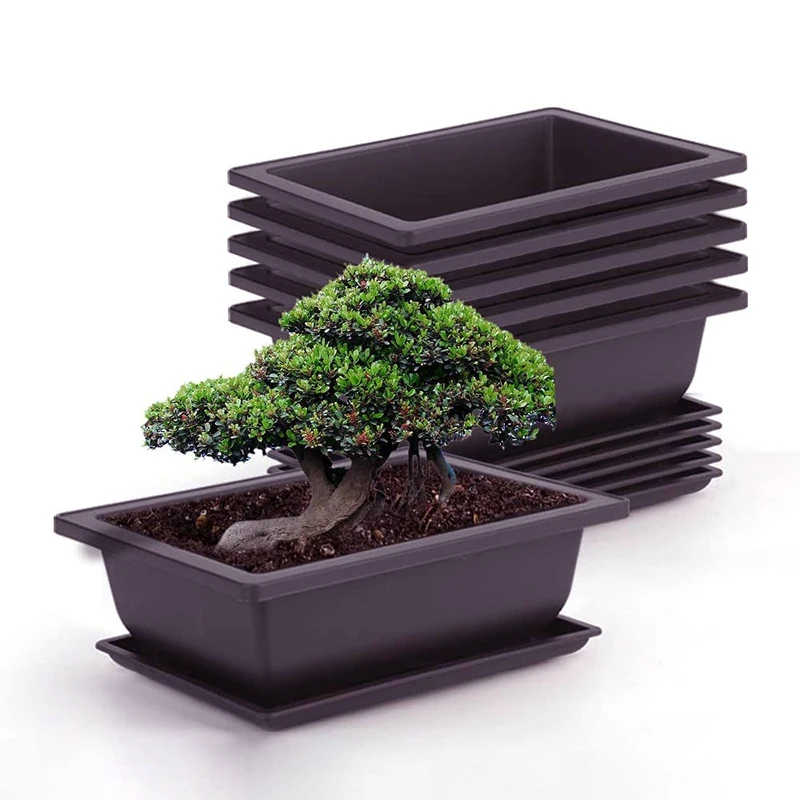
If you’re looking for a versatile and practical option, consider the Flowerpots Imitation Purple Clay Succulent Plants Pots Rectangular Plastic Landscape Bonsai Pot with Trays Garden Planter. It offers the look of clay without the weight, and it comes with a tray for easy drainage.
Flowerpots Imitation Purple Clay Succulent Plants Pots Rectangular Plastic Landscape Bonsai Pot with Trays Garden Planter
For a practical and stylish option, consider the Flowerpots Imitation Purple Clay Succulent Plants Pots Rectangular Plastic Landscape Bonsai Pot with Trays Garden Planter, which combines the look of clay with the convenience of plastic and includes a tray for drainage.
Frequently asked questions
What is the best material for succulent pots?
The best material depends on your environment and watering habits. Terracotta is porous and helps prevent overwatering, making it great for beginners. Plastic and glazed ceramic retain moisture longer, which can be helpful in dry climates. Choose based on your specific needs.
Do succulent pots need drainage holes?
Yes, drainage holes are essential for succulent pots. They allow excess water to escape, preventing root rot and salt buildup. Without holes, it’s very difficult to maintain the right moisture levels for succulents.
How often should I repot my succulents?
Most succulents need repotting every 1-2 years, either to refresh the soil or to provide more space. Signs include roots growing out of the drainage holes, the plant becoming top-heavy, or the soil breaking down. Spring is the best time to repot.
Can I use any container as a succulent pot?
You can use almost any container as long as it has drainage holes and is made of a safe material. If it lacks holes, you can drill them yourself or use a layer of gravel, but holes are strongly recommended for healthy succulents.
