
Blog
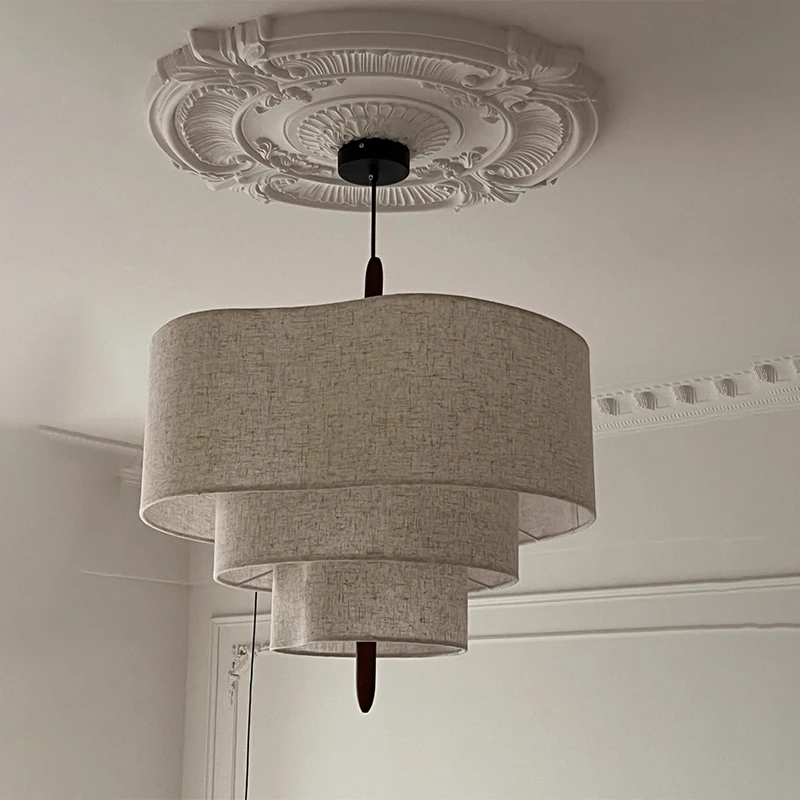
Wabi Sabi Chandelier: Embrace Imperfect Beauty
Lighting & Design
Wabi Sabi Chandelier: Finding Beauty in Imperfection
A wabi sabi chandelier is more than a light fixture; it’s a philosophy that celebrates the beauty of imperfection, transience, and simplicity. In this guide, we explore how to bring this Japanese aesthetic into your home.
What is a Wabi Sabi Chandelier?
Wabi sabi is a Japanese worldview centered on the acceptance of transience and imperfection. When applied to lighting, a wabi sabi chandelier embodies these principles through its use of natural materials, asymmetrical forms, and a muted, earthy palette. It’s a departure from the polished, symmetrical fixtures that dominate modern design. Instead, it invites you to appreciate the subtle irregularities that make each piece unique.
Think of a wabi sabi chandelier not as a statement piece but as a quiet presence that complements its surroundings. It often features materials like wood, paper, or fabric, which age gracefully and develop a patina over time. The light it casts is typically warm and diffused, creating an intimate atmosphere that encourages relaxation and contemplation.
Key Characteristics of Wabi Sabi Lighting
- Natural materials: wood, bamboo, washi paper, linen
- Earthy tones: beige, brown, off-white, muted greens
- Asymmetry and irregular shapes
- Handcrafted feel with visible imperfections
- Warm, diffused light that creates a cozy ambience
Why Choose a Wabi Sabi Chandelier for Your Home?
In a world that often values perfection and mass production, a wabi sabi chandelier offers a refreshing alternative. It brings a sense of calm and authenticity to any room. By choosing a wabi sabi chandelier, you’re not just buying a light; you’re embracing a design philosophy that values simplicity and the beauty of the natural world.
These fixtures are incredibly versatile. They can anchor a minimalist living room, add warmth to a farmhouse-style dining area, or create a serene retreat in a bedroom. Their neutral tones and organic shapes make them easy to integrate into existing decor, whether your style is modern, rustic, or eclectic. Moreover, the soft light they emit is flattering and relaxing, making them ideal for spaces where you unwind.
Versatility in Design
One of the greatest strengths of the wabi sabi chandelier is its ability to blend seamlessly with various interior styles. It can soften the clean lines of contemporary furniture, complement the raw textures of industrial decor, or enhance the comfort of a Scandinavian-inspired room. The key is to let the chandelier be the focal point without overpowering the space.
Consider the scale and placement. A large wabi sabi chandelier can make a bold statement in a spacious living room, while a smaller one might be perfect for a cozy reading nook. Its design often features multiple bulbs or shades, casting a gentle glow that fills the room without being harsh.
How to Choose the Right Wabi Sabi Chandelier
When selecting a wabi sabi chandelier, consider the size of your room, the ceiling height, and the amount of light you need. A good rule of thumb is to add the room’s length and width in feet, then convert that sum to inches to get the ideal diameter of the chandelier. For example, a 10×10-foot room would suit a chandelier around 20 inches in diameter.
Also, think about the material. Wood and fabric shades diffuse light beautifully and add texture, while paper shades are lighter and more delicate. Consider the maintenance: natural materials may require gentle dusting and occasional care to preserve their beauty.
Placement Tips
- Hang it at least 30 inches above your dining table for optimal illumination.
- In a living room, position it so it doesn’t obstruct walkways.
- In a bedroom, place it so the light is soft and doesn’t shine directly into your eyes when lying down.
- Consider a dimmer switch to adjust the mood.
Styling Your Wabi Sabi Chandelier
To truly embrace the wabi sabi aesthetic, style your chandelier with complementary elements. Pair it with natural wood furniture, linen textiles, and ceramic or stone accessories. Avoid clutter and let each piece breathe. The chandelier should feel like an organic part of the room, not an add-on.
In a dining room, a wabi sabi chandelier over a rustic wooden table creates a warm, inviting setting for gatherings. In a bedroom, hang it beside the bed or in a corner to create a cozy nook. The soft, diffused light encourages relaxation and mindfulness.
Creating a Wabi Sabi Atmosphere
To enhance the wabi sabi vibe, incorporate other natural elements into your decor. Use plants, stones, and unpolished wood. Choose furniture with simple, clean lines and avoid too many decorative items. The goal is to create a space that feels calm, balanced, and connected to nature.
Lighting plays a crucial role in setting this mood. A wabi sabi chandelier with warm bulbs (2700K-3000K) will cast a cozy, amber glow. You can also use candles or other soft light sources to supplement. The interplay of light and shadow is part of the aesthetic, so don’t over-light the room.
Care and Maintenance of Natural Materials
Wabi sabi chandeliers often feature natural materials that require a bit of extra care to maintain their beauty. Wood can be dusted with a soft cloth and occasionally treated with natural oil to preserve its luster. Fabric shades can be gently vacuumed with a brush attachment or spot-cleaned with a damp cloth. Paper shades should be kept dry and dusted regularly.
It’s also important to use the correct bulbs. Follow the manufacturer’s recommendation for wattage and type. LED bulbs are energy-efficient and produce less heat, which is better for delicate materials. Always ensure the fixture is properly installed and wired by a professional if needed.
Preserving the Imperfect Beauty
Part of the charm of a wabi sabi chandelier is that it ages gracefully. Over time, wood may darken, and fabric may soften, adding character. Embrace these changes as part of the piece’s story. Avoid harsh cleaning products or refinishing, as this can strip away the natural patina.
If you notice minor wear, like a small scratch or a slightly faded shade, consider it a feature, not a flaw. This is the essence of wabi sabi: finding beauty in what is imperfect, impermanent, and incomplete. Your chandelier will become more beautiful with time.
Wabi Sabi in Different Rooms
The wabi sabi chandelier can transform any room into a serene sanctuary. In the living room, it becomes a focal point that draws the eye upward and creates a cozy gathering spot. In the dining room, it sets an intimate mood for meals and conversations. In the bedroom, it provides a soft, calming light that helps you unwind.
Even in a hallway or entryway, a wabi sabi chandelier can make a welcoming first impression. Its natural tones and textures invite you in and set the tone for the rest of the home. No matter where you place it, the wabi sabi chandelier adds a touch of mindful design.
Living Room Inspirations
Imagine a wabi sabi chandelier hanging above a low-profile sofa with linen cushions, surrounded by potted plants and a wooden coffee table. The light filters through the fabric shades, casting gentle shadows on the walls. It’s a space that encourages you to sit, breathe, and appreciate the moment.
For a more dramatic effect, choose a chandelier with multiple bulbs at varying heights. This creates visual interest and mimics the organic irregularities found in nature. The key is to let the chandelier speak for itself without competing with other elements.
Conclusion: Embrace the Wabi Sabi Way
A wabi sabi chandelier is more than a lighting fixture; it’s an invitation to slow down and appreciate the imperfect beauty in everyday life. By choosing natural materials, simple forms, and a warm glow, you can create a home that feels grounded and peaceful. Whether you’re redesigning a single room or your entire home, consider the wabi sabi philosophy as your guide.
As you explore options, remember that the best wabi sabi chandelier is one that resonates with you personally. It should feel like a natural extension of your space and your values. And if you’re looking for a piece that embodies these principles, consider the Nordic Minimalist Wabi Sabi Fabric Chandelier, which brings together simplicity and craftsmanship. For more on the philosophy behind this aesthetic, you can learn about wabi-sabi on Wikipedia.
Nordic Minimalist Wabi Sabi Fabric Chandelier Living Dining Room Bedroom Pendant Light Home Indoor Lighting Hanging Lamp Fixture
For a ready-made piece that captures this aesthetic, consider the Nordic Minimalist Wabi Sabi Fabric Chandelier, designed to bring quiet beauty to any room.
Frequently asked questions
What is a wabi sabi chandelier?
A wabi sabi chandelier is a lighting fixture that embodies the Japanese aesthetic of wabi sabi, which finds beauty in imperfection, impermanence, and simplicity. It typically uses natural materials like wood, paper, or fabric, and features organic, asymmetrical forms.
How do I hang a wabi sabi chandelier?
Hang it at a height that suits the room and purpose. For dining tables, keep it about 30 inches above the tabletop. In living rooms, ensure it’s high enough to avoid obstructing views or walkways. Always follow the manufacturer’s instructions and consider professional installation for safety.
What kind of bulb should I use?
Use warm white LED bulbs (2700K-3000K) to achieve a cozy, inviting glow. Avoid bright, cool-toned bulbs as they can disrupt the intimate atmosphere. Check the fixture’s maximum wattage and use energy-efficient bulbs to reduce heat.
How do I clean a wabi sabi chandelier with fabric shades?
Gently dust the shades regularly with a soft brush or lint roller. For deeper cleaning, use a vacuum with a brush attachment on low suction. Spot-clean stains with a damp cloth and mild soap, then let it air dry completely. Avoid soaking or using harsh chemicals.
