
Blog
The Ultimate Guide to Choosing a Writing Desk
Buying Guide
Find Your Perfect Writing Desk for Every Need
A writing desk is more than just a piece of furniture—it’s the command center for your creativity and productivity. Whether you’re a seasoned author or a student cramming for exams, finding the right one can transform your daily routine.
Why a Good Writing Desk Matters
Your writing desk is where ideas take shape. A well-chosen desk can boost your focus and comfort, while a poorly designed one can lead to back pain and distraction. Studies show that a comfortable workspace increases productivity and well-being.
Size and Space: Finding the Right Fit
Before you fall in love with a design, measure your room. Consider not just the desk’s footprint but also clearance for your chair and movement. A good rule: leave at least 30 inches behind the desk for a chair.
- Compact desks (under 45 inches) are ideal for small apartments.
- Standard desks (45-60 inches) offer ample workspace for most.
- Executive desks (over 60 inches) provide luxury and space for multiple monitors.
Material Matters: Wood, Metal, or Both?
The material affects durability, aesthetics, and maintenance. Solid wood is classic and sturdy but heavy and pricey. Metal is modern and lightweight but can be cold. A combination, like a wooden top with metal legs, offers the best of both worlds.
Wooden Surfaces
Wood adds warmth and is gentle on your wrists. However, it can scratch and stain. Consider a sealed finish for easy cleaning.
Metal Frames
Metal provides excellent stability and can support heavy loads. Look for powder-coated finishes to prevent rust and scratches.
Ergonomics: Comfort for Long Writing Sessions
Your desk should complement your body, not the other way around. The ideal height allows your elbows to rest at 90 degrees. If you’re taller or shorter than average, an adjustable height desk is a game-changer.
Remember to also consider your chair. Your feet should rest flat on the floor, and your eyes should align with the top of your monitor.
Style and Aesthetics: Matching Your Decor
Your writing desk should reflect your personality and blend with your room. From minimalist Scandinavian to industrial lofts, there’s a design for every taste. Don’t be afraid to mix materials and colors to create a unique workspace.
Additional Features to Consider
Think about what you need beyond a flat surface. Drawers for storage, cable management, and keyboard trays can enhance functionality. Some desks even come with built-in USB ports and power outlets.
- Drawers: keep supplies organized and out of sight.
- Cable management: reduce clutter and protect your devices.
- Keyboard tray: saves surface space and improves ergonomics.
Budgeting for Your Desk
Quality writing desks range from $100 to over $1000. Set a realistic budget and prioritize features that matter most to you. Remember, a desk is a long-term investment in your comfort and productivity.
For more on the history and evolution of desks, see this Wikipedia article.
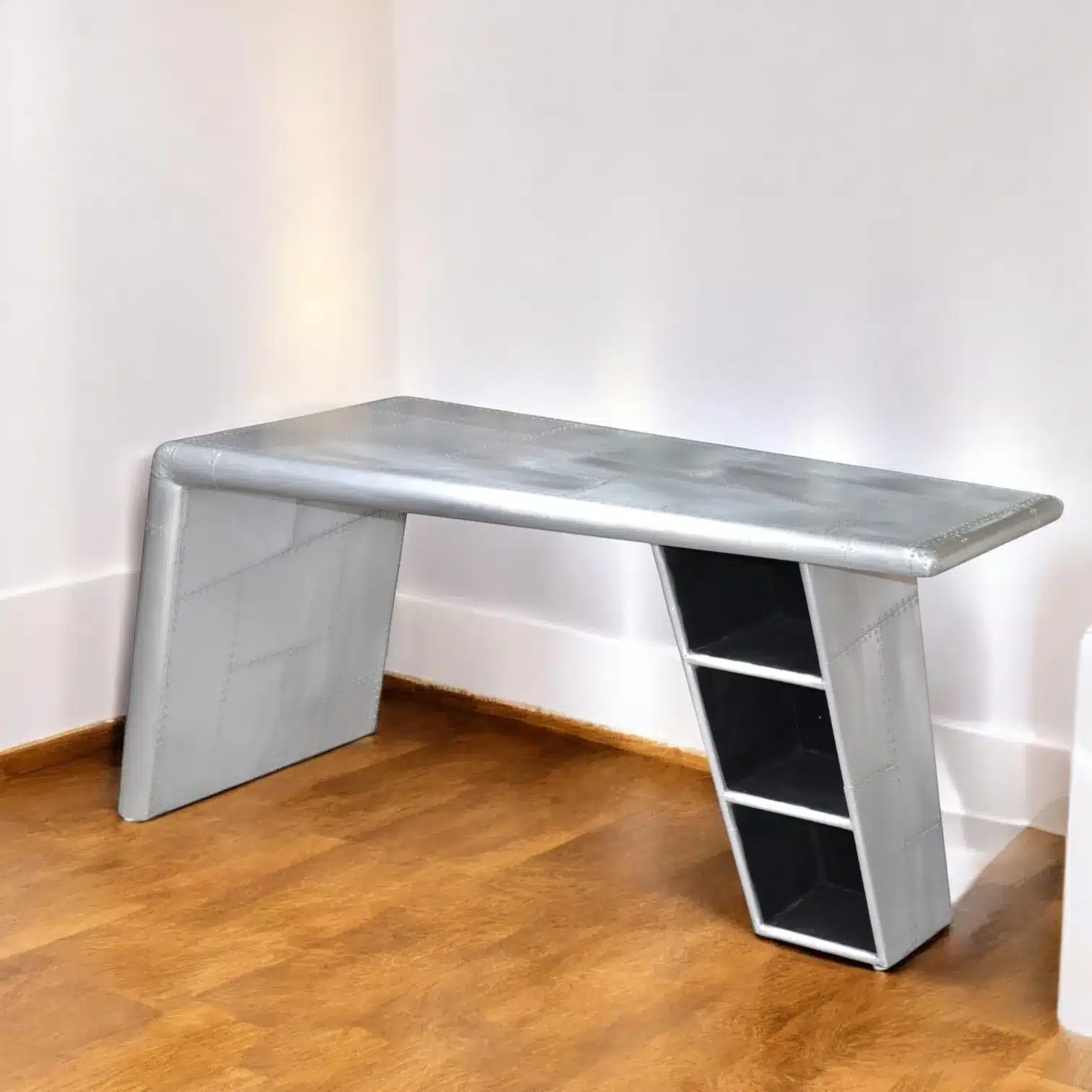
60″ Silver Aluminum Writing Desk with Adjustable Height Durable Metal and Wooden Surface for Hotel or Living Room Use
For a versatile option that adapts to your needs, consider the 60″ Silver Aluminum Writing Desk with Adjustable Height Durable Metal and Wooden Surface for Hotel or Living Room Use.
Frequently asked questions
What is the standard height of a writing desk?
The standard height is around 29-30 inches, which suits most people. However, if you’re taller or shorter, consider an adjustable desk to ensure proper ergonomics.
How much space do I need for a writing desk?
It depends on your room and needs. A compact desk can be as small as 40 inches wide, while larger desks may exceed 60 inches. Ensure at least 30 inches of clearance behind the desk for chair movement.
What is the best material for a writing desk?
Solid wood is durable and classic, but can be heavy. Metal is lightweight and modern. A combination of wood and metal offers stability and a warm surface. Choose based on your style and maintenance preferences.
How can I make my writing desk more ergonomic?
Ensure your desk height allows your elbows to be at 90 degrees. Use a chair with lumbar support, position your monitor at eye level, and take regular breaks. Consider adding a keyboard tray for better wrist posture.
