
Blog
The Ultimate Fire Pit Table Buying Guide
Buying Guide
Your Guide to Choosing a Fire Pit Table
A fire pit table can transform your patio into a cozy gathering spot. In this guide, we’ll help you navigate the options and find the perfect one for your needs.
Why Choose a Fire Pit Table?
A fire pit table is more than just a heat source; it’s a centerpiece for outdoor living. It extends your usable outdoor time into cooler evenings and creates a natural gathering point for friends and family. Unlike traditional fire pits, these tables offer a flat surface for drinks and snacks, making them both functional and inviting.
When you invest in a fire pit table, you’re not just buying a product—you’re enhancing your outdoor lifestyle. The warm glow and comforting heat make your patio or deck a place where memories are made.
Understanding Fuel Types: Gas vs. Wood
One of the first decisions you’ll make is the fuel type. Wood-burning fire pits offer the classic crackle and aroma, but they require more cleanup and maintenance. Gas fire pit tables, on the other hand, provide instant ignition and adjustable flame, making them more convenient and cleaner.
- Natural Gas: If you have a gas line, this is a permanent, cost-effective option.
- Propane: Portable and easy to install, but you’ll need to manage tank refills.
- Wood: Traditional and rustic, but requires more effort.
For most homeowners, gas fire pit tables are the preferred choice due to their ease of use and low maintenance.
Materials and Durability
The material of your fire pit table determines its longevity and appearance. Common materials include steel, aluminum, and stone. Steel is strong and retains heat well, but it can rust if not properly coated. Aluminum is lightweight and rust-resistant, making it ideal for coastal areas. Stone or concrete offers a premium look but is heavier and may require a sturdy base.
When choosing a material, consider your climate and how much maintenance you’re willing to do. A powder-coated steel or aluminum table will last for years with minimal care.
Size and Shape Considerations
Before you buy, measure your outdoor space. A fire pit table should be proportional to your patio or deck. As a rule of thumb, allow at least 3 feet of clearance around the table for safety and comfortable seating. The height should be around 18 to 20 inches for a tabletop, or higher if you plan to use it as a dining surface.
Shape matters too. Round tables encourage conversation, while rectangular tables can seat more people and fit better in narrow spaces. Consider how many people you typically entertain to determine the right size.
Safety Features to Look For
Safety should never be an afterthought. Look for fire pit tables with safety certifications and features like flame control knobs, automatic shut-off valves, and spark guards (for wood models). If you have children or pets, a sturdy base and stable construction are essential.
Also, check the BTU output. A higher BTU means more heat, but you may not need the maximum. For most residential use, 30,000 to 50,000 BTUs is sufficient. Always follow the manufacturer’s instructions for safe operation.
Accessories and Enhancements
Enhance your fire pit table experience with accessories. A weather-resistant cover will protect your investment when not in use. Lava rocks or glass beads can add a decorative touch and help distribute heat evenly. Some tables come with built-in igniters, remote controls, or even storage for firewood.
Consider your lifestyle and how you plan to use the table. If you love hosting, a larger table with a wide rim might be perfect. For intimate evenings, a smaller table with a cozy feel could be ideal.
Maintenance Tips for Longevity
Proper maintenance will keep your fire pit table looking and functioning great for years. For gas models, periodically check the burner and hoses for blockages or leaks. Clean the surface with a mild soap and water solution, and avoid abrasive cleaners that could damage the finish.
In winter, either cover your table or store it indoors if possible. If you live in a harsh climate, consider a table with a durable, weather-proof construction. Regular care not only extends the life of your table but also ensures safe operation.
Environmental and Health Considerations
While fire pits are enjoyable, they do produce emissions. Gas fire pit tables burn cleaner than wood, producing fewer particulates and less smoke. If you’re environmentally conscious, choose a gas model with high efficiency. Also, be mindful of local regulations regarding open flames and smoke, especially in drought-prone areas.
For more information on the environmental impact of outdoor heating, you can visit the Wikipedia page on fire pits. Understanding these factors will help you make an informed choice that aligns with your values.
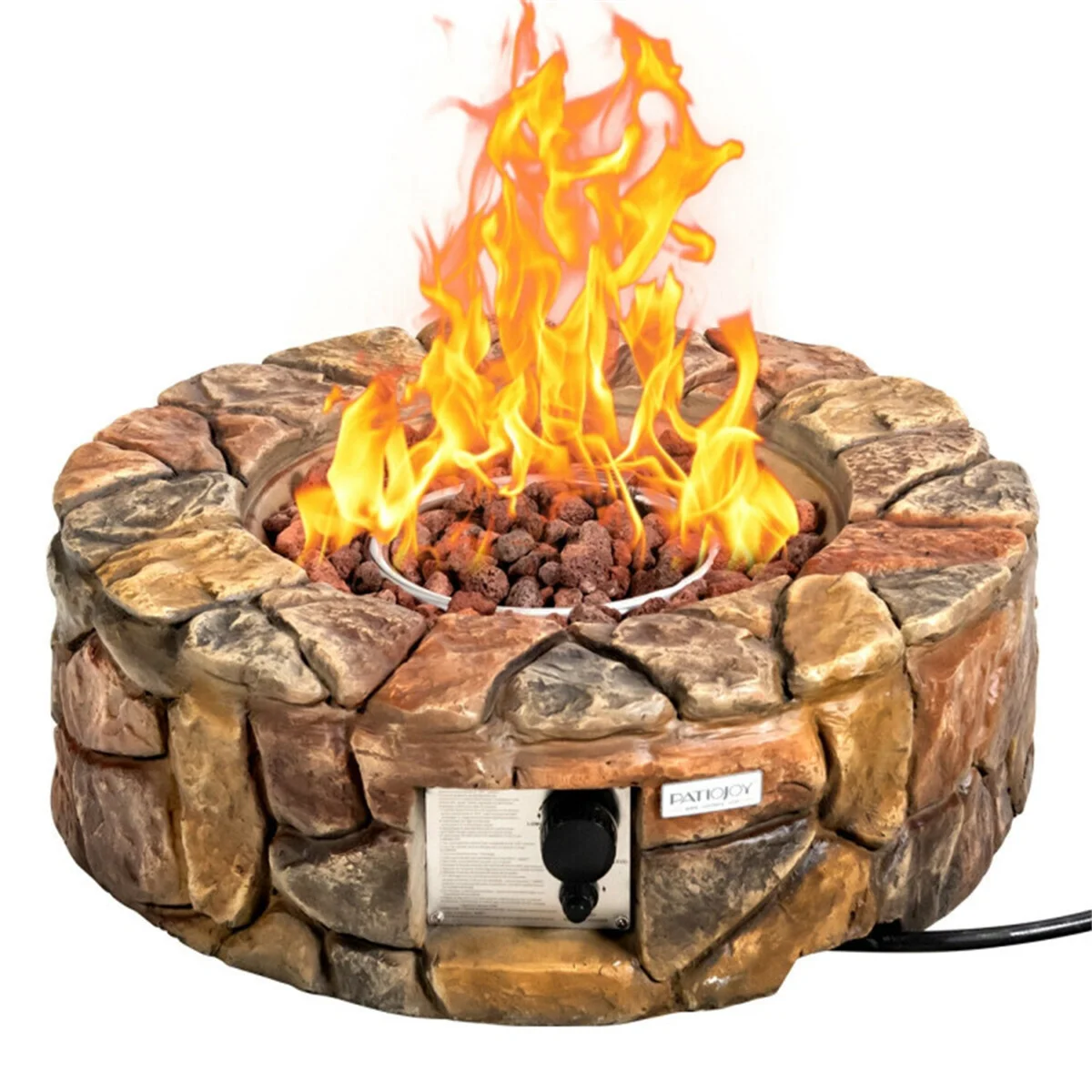
Outdoor Furniture Fire Pit Table 40, BTU Stone Gas Fire Stove Pit
For a reliable and stylish option, consider the Outdoor Furniture Fire Pit Table 40, BTU Stone Gas Fire Stove Pit, which combines durability with modern design.
Frequently asked questions
What is the best fuel type for a fire pit table?
Gas (natural or propane) is generally recommended for convenience and cleanliness. Wood offers a traditional experience but requires more maintenance.
How do I determine the right size fire pit table?
Measure your space and allow at least 3 feet of clearance. Consider the number of people you want to seat and the table’s height (18-20 inches is typical).
Are fire pit tables safe for use on wooden decks?
Yes, but always use a heat-resistant mat or pad underneath, and ensure the table has a non-combustible base. Follow the manufacturer’s safety guidelines.
How much maintenance does a fire pit table require?
Gas models require minimal maintenance—check hoses and burners periodically and clean the surface. Wood models need ash removal and more frequent cleaning.
