
Blog
The Complete Guide to Choosing a Fire Pit Table
Buying Guide
Fire Pit Table: Your Ultimate Buying Guide
A fire pit table can transform your patio into a cozy gathering spot, but with so many options, how do you pick the right one? This guide walks you through everything you need to know.
Why Choose a Fire Pit Table?
There’s something magical about gathering around a flame. A fire pit table combines the warmth of a traditional fire pit with the functionality of a table, making it a versatile addition to any outdoor space. Unlike a simple fire bowl, a fire pit table offers a flat surface for drinks, snacks, or decor, so it works hard even when the fire isn’t lit.
Whether you’re hosting a summer barbecue or enjoying a crisp autumn evening, a fire pit table extends the usability of your patio. It creates a natural focal point that draws people together, encouraging conversation and relaxation. Plus, with modern designs, it can elevate the aesthetic of your outdoor area, blending seamlessly with your existing furniture.
Key Factors to Consider When Buying a Fire Pit Table
Before you make a purchase, it’s essential to evaluate your needs and space. Here are the critical factors to keep in mind:
- Size and Shape: Measure your patio or deck to determine how much space you have. Round tables are great for intimate settings, while rectangular or square tables suit larger gatherings. Ensure there’s enough clearance around the table for comfortable seating and safety.
- Material: Fire pit tables come in various materials, each with its own benefits. Steel, aluminum, and stone are popular choices. Steel is durable and retains heat well, but it can rust if not coated. Aluminum is lightweight and rust-resistant, making it easy to move. Stone or concrete offers a premium look but is heavier and may require more maintenance.
- Fuel Type: The most common options are wood-burning, propane, and natural gas. Wood provides a traditional crackling fire but requires more cleanup and can produce smoke. Propane is convenient and clean-burning, with tanks that are easy to replace. Natural gas is cost-effective in the long run but requires a fixed gas line and professional installation.
- Heat Output: Measured in BTUs (British Thermal Units), this determines how much heat the fire pit produces. For a cozy ambiance, 30,000-40,000 BTUs is typical. If you live in a colder climate, you might want a higher output.
- Safety Features: Look for features like a spark screen, automatic shut-off, and stable base. If you have children or pets, safety is paramount.
Materials: Pros and Cons
The material of your fire pit table affects not only its look but also its durability and maintenance.
Steel
Steel is a popular choice for its strength and industrial appeal. It heats up quickly and distributes warmth well. However, it can be prone to rust if exposed to moisture without a protective coating. Look for powder-coated steel to enhance longevity.
Aluminum
Aluminum is lightweight and naturally rust-resistant, making it ideal for coastal areas. It’s easy to move around and often has a sleek, modern appearance. The downside is that it may not retain heat as efficiently as steel.
Stone or Concrete
Stone and concrete offer a timeless, elegant look that blends with natural surroundings. They are incredibly durable and can withstand high temperatures. The main drawbacks are their weight (making them difficult to relocate) and potential for cracking in freezing temperatures if not sealed properly.
Fuel Options: Wood, Propane, and Natural Gas
Your choice of fuel impacts the experience and convenience of your fire pit table.
- Wood-burning: This is the classic choice for a real campfire feel. It produces a pleasant crackle and aroma, but you’ll need to store firewood, clean out ashes, and be mindful of smoke. Some areas have restrictions on wood fires, so check local regulations.
- Propane: Propane fire pit tables are incredibly easy to use—just connect a standard 20-pound tank, turn a knob, and ignite. They produce a clean, smokeless flame, and you can control the heat with a dial. The downside is that you’ll need to replace or refill the tank periodically.
- Natural Gas: If your home has a natural gas line, you can connect your fire pit directly for an endless supply of fuel. This is the most convenient and cost-effective in the long run, but installation requires a professional and is more expensive upfront.
Safety Tips for Using a Fire Pit Table
Safety should always be a top priority when enjoying a fire pit table. Follow these guidelines to ensure a safe experience:
- Placement: Keep the fire pit on a level, non-combustible surface, away from overhanging branches, awnings, or any flammable materials. Maintain a clearance of at least 10 feet from structures.
- Supervision: Never leave a burning fire pit unattended. Make sure children and pets are supervised at all times.
- Wind Conditions: Avoid using the fire pit in strong winds, which can blow sparks or cause flames to flare.
- Extinguishing: Always have a fire extinguisher or a bucket of sand nearby. For propane models, turn off the gas supply and allow the fire to cool completely before covering.
- Regular Maintenance: Inspect hoses and connections for leaks or wear. Clean the burner and remove debris to ensure proper airflow.
Accessories to Enhance Your Experience
Consider these add-ons to get the most out of your fire pit table:
- Protective Cover: A weatherproof cover shields your fire pit from rain, snow, and sun, extending its lifespan.
- Glass Wind Guard: A glass guard protects the flame from wind while allowing you to see the fire clearly.
- Fire Glass or Lava Rocks: These decorative elements not only look great but also help distribute heat evenly.
- Tabletop Extensions: Some models offer removable trays or extensions to increase table space when the fire isn’t in use.
How to Maintain Your Fire Pit Table
Proper maintenance keeps your fire pit table looking great and functioning safely for years.
- Cleaning: Regularly wipe down the surfaces with a mild soap and water solution. Avoid abrasive cleaners that could scratch the finish.
- Covering: Always cover your fire pit when not in use, especially during harsh weather.
- Checking Connections: For gas fire pits, inspect the hoses and connections periodically for cracks or leaks. You can apply a soapy water solution to check for bubbles—if any appear, tighten or replace the parts.
- Storing: If you live in a region with extreme winters, consider storing your fire pit indoors or in a shed to protect it from freezing temperatures.
Conclusion: Making the Right Choice
Choosing the perfect fire pit table comes down to balancing aesthetics, function, and safety. By considering the factors above, you can find a model that fits your lifestyle and enhances your outdoor living space. Remember to prioritize quality and safety over trends, and your fire pit table will provide years of warmth and enjoyment.
For more inspiration, check out this article on fire pits to understand the history and cultural significance of this timeless gathering element.
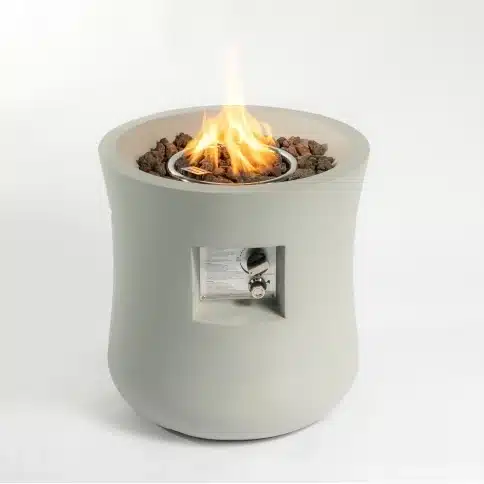
Compact Modern 20-Inch Round Graphite Base Fire Pit Table with Free Lava Rocks Steel Waterproof Cover for Outdoor Propane Fires
If you’re looking for a compact, modern option, the Compact Modern 20-Inch Round Graphite Base Fire Pit Table with Free Lava Rocks Steel Waterproof Cover is a great choice for small patios or balconies.
Frequently asked questions
What is the best material for a fire pit table?
The best material depends on your climate and aesthetic preference. Steel is durable and heats well but may rust without coating. Aluminum is lightweight and rust-resistant, ideal for coastal areas. Stone or concrete offers a premium look but is heavy and may require sealing. Consider your patio’s style and maintenance willingness.
How many BTUs do I need for a fire pit table?
For a typical residential fire pit table, 30,000 to 40,000 BTUs is sufficient to provide warmth for a small gathering. If you live in a colder climate or want more heat, look for models with higher BTU output, but ensure your space can handle it safely.
Can I use a fire pit table on a wooden deck?
Yes, but you need to place a heat-resistant mat or pad underneath to protect the deck from heat and sparks. Also, ensure the fire pit is on a stable, level surface and maintain proper clearance from any combustible materials.
How do I clean and maintain my fire pit table?
Clean the surfaces regularly with mild soap and water. For gas models, inspect hoses and connections for leaks. Always cover the fire pit when not in use, and store it indoors during harsh winters to prevent damage.
